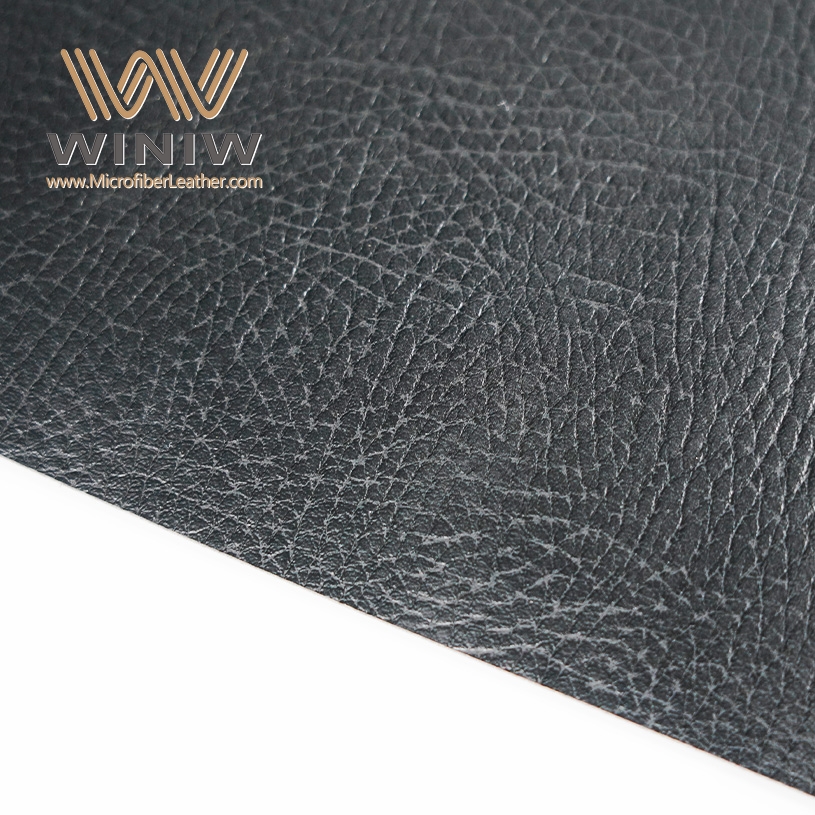
При выборе черной искусственной кожи для обивки мебели необходимо обращать внимание на износостойкость, количество истираний и материал подкладки. Избегайте распространенных ошибок, проверяя эти характеристики в первую очередь. Учитывайте потребности вашего проекта. Для мебели с высокой проходимостью, домашними животными или детьми требуется более прочная ткань. Принимайте взвешенные решения, чтобы получить долговечный результат.
При выборе уделяйте особое внимание износостойкости и степени истирания. черная искусственная кожа Более высокая износостойкость гарантирует, что ткань выдерживает интенсивное использование, особенно в местах с высокой проходимостью.
Выберите подходящий материал для подложки в соответствии с вашими потребностями. Тканая подложка обеспечивает прочность, а нетканая — гибкость, что важно для более мягкой мебели.
Обратите внимание на устойчивость к пятнам и простоту в уходе. Ткани, устойчивые к пятнам и легко чистящиеся, идеально подходят для домов с домашними животными или детьми.
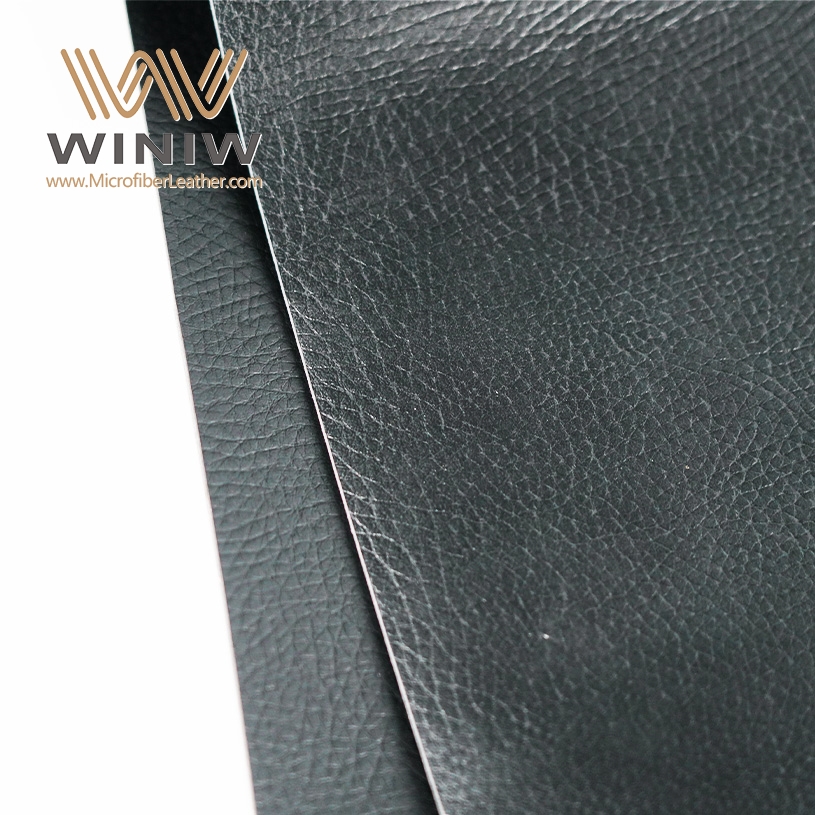
Черная искусственная кожа также называемая искусственной кожей или веганская кожа Это синтетический материал, созданный для того, чтобы выглядеть и ощущаться как настоящая кожа. Он широко используется в мебели, автомобильных интерьерах и моде. Этот материал предлагает ряд преимуществ для ваших проектов:
Легко чистится влажной тканью, что делает его идеальным для семей с большим количеством гостей.
Более доступен по цене, чем натуральная кожа, что поможет вам уложиться в бюджет.
Доступны во множестве текстур и вариантов отделки, поэтому вы сможете подобрать вариант к любому стилю.
Продукция не тестируется на животных и не содержит шкур.
Вот краткое сравнение, которое поможет вам понять, чем черная искусственная кожа отличается от натуральной:
|
Особенность |
Черная искусственная кожа (кожзаменитель) |
Натуральная кожа |
|---|---|---|
|
Композиция |
Синтетические материалы (ПУ, ПВХ) |
Шкуры животных |
|
Доступность |
Более доступный |
Как правило, дороже |
|
Долговечность |
Разнообразные, часто долговечные. |
Высокая прочность |
|
Обслуживание |
Легче чистить и обслуживать |
Требует особого ухода |
|
Воздействие на окружающую среду |
Зачастую менее устойчиво |
Природный, но ресурсоемкий. |
Чаще всего встречаются два типа черной искусственной кожи: полиуретановая (ПУ) и поливинилхлоридная (ПВХ). Каждый тип обладает уникальными свойствами:
|
Особенность |
Искусственная кожа PU |
Искусственная кожа ПВХ |
|---|---|---|
|
Мягкость |
Мягкий и гибкий |
Более жёсткий |
|
Воздухопроницаемость |
Обладает высокой воздухопроницаемостью. |
Менее воздухопроницаемый |
|
Долговечность |
Действует дольше |
Может быстрее потрескаться и отслоиться. |
|
Водостойкость |
Умеренный |
Отличный |
|
Наилучшее применение |
Мебель, одежда |
Легко моющиеся помещения |
искусственная кожа На ощупь он мягче и удобнее, что делает его хорошим выбором для мебели, которой вы пользуетесь каждый день. ПВХ-кожа Хорошо переносит пролитую жидкость и влагу, но может быстрее потрескаться или отслоиться, особенно под воздействием солнечного света или тепла.
Совет: Искусственная кожа из полиуретана обычно служит дольше, чем ПВХ, в обивке мебели, но оба типа со временем изнашиваются и могут потребовать замены.
Вы можете выбрать черную искусственную кожу для обивки, поскольку она предлагает баланс стиля, стоимости и этичности. Искусственная кожа требует меньше ресурсов для производства и не причиняет вреда животным. Она создает вид натуральной кожи без высокой цены и этических проблем. Многие семьи и студенты предпочитают ее, потому что она доступна по цене и проста в уходе.
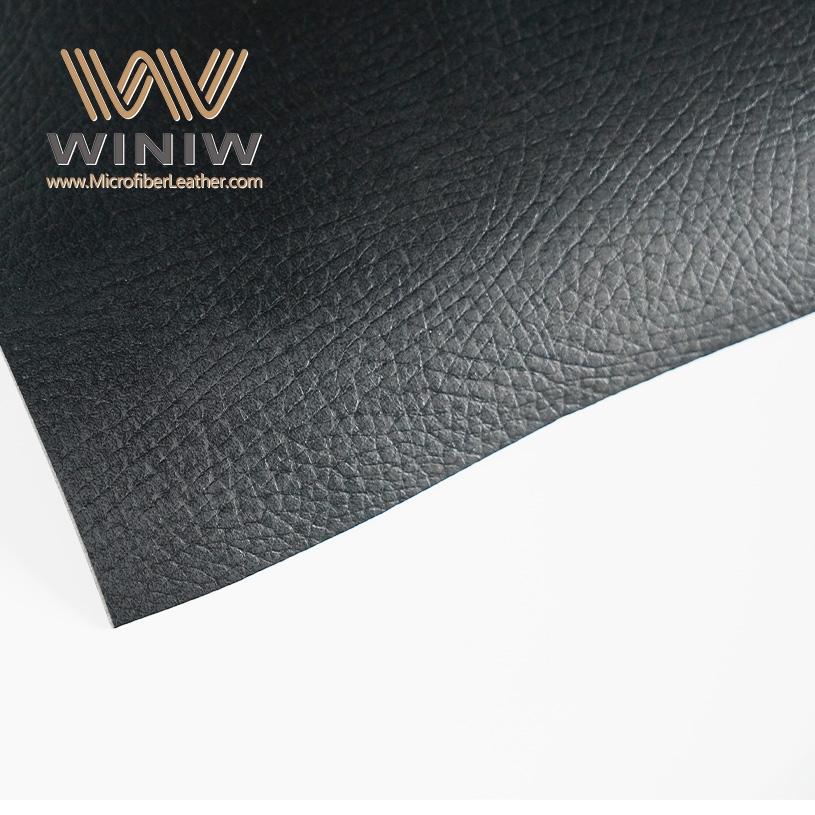
Перед покупкой обивочной ткани из искусственной кожи необходимо проверить её износостойкость. Износостойкость показывает, насколько хорошо материал выдержит интенсивное использование. Показатель износостойкости, измеряемый с помощью таких тестов, как Wyzenbeek и Martindale, показывает, сколько раз ткань может протереться, прежде чем она износится. Для мест с высокой проходимостью, таких как стулья в холле отеля или оживленный обеденный зал, следует выбирать ткань с показателем износостойкости, соответствующим или превосходящим отраслевые стандарты.
|
Метод испытания |
Рекомендуемое количество стираний |
Примеры применения |
|---|---|---|
|
Вайзенбек |
30 000 двойных натираний |
Корпоративные номера, гостиничные номера, конференц-залы, обеденные зоны |
|
Мартиндэйл |
40 000 циклов |
Применение в обивке мебели повышенной прочности |
|
Экстремальный износ |
Более 50 000 двойных натираний |
Транспортные терминалы, отделения неотложной медицинской помощи и т. д. |
Вы обнаружите, что для жилых помещений требуется меньшее количество истираний, обычно менее 15 000 двойных истираний. Для коммерческих помещений требуется большее количество истираний, часто более 30 000, чтобы обеспечить более длительный срок службы обивочной ткани из искусственной кожи. Всегда проверяйте результаты теста на истирание, чтобы убедиться, что они соответствуют вашим потребностям.
|
Тип настройки |
Диапазон двойного количества стираний |
Уровень долговечности |
|---|---|---|
|
Жилой |
Менее 15 000 |
Сниженная износостойкость для меньшего использования |
|
Коммерческий |
от 15 000 до более 100 000 |
Повышенная износостойкость для интенсивного использования |
Эксперты отрасли рекомендуют проводить тестирование с использованием методов Мартиндейла или Вайзенбека. Эти тесты имитируют износ и помогают выбрать подходящую обивочную ткань из искусственной кожи для вашего кресла или дивана.
Совет: выбирайте показатель износостойкости, соответствующий вашему помещению. В местах с высокой проходимостью требуется более высокая износостойкость.
Подложка играет важную роль в прочности и долговечности черной искусственной кожи. Следует обращать внимание на следующие типы:
Тканая подкладка Производители переплетают волокна, чтобы создать прочное и долговечное основание. Такая спинка хорошо подходит для стульев, которые интенсивно используются.
Нетканая подложка Благодаря скрепленным волокнам эта подложка становится легче и мягче. Она обладает гибкостью, что важно для изогнутых поверхностей или мягкой мебели.
Лучшая обивочная ткань из искусственной кожи имеет подкладку, соответствующую вашим потребностям. Тканая подкладка обеспечивает дополнительную прочность, а нетканая — мягкость и долговечность. Всегда проверяйте характеристики ткани перед покупкой.
Вы хотите, чтобы ваша обивка из искусственной кожи выглядела и ощущалась как настоящая кожа. Производители добиваются реалистичной текстуры, нанося на основу ткани полимерное пластиковое покрытие. Они создают тиснение с рисунком зернистости, имитирующим натуральную кожу. Этот процесс создает реалистичную текстуру и повышает мягкость.
При прикосновении к ткани вы должны почувствовать комфорт. Мягкость и износостойкость важны для стульев, которыми вы пользуетесь каждый день. Ищите обивочную ткань из искусственной кожи, которая обладает обоими этими качествами. По возможности, осмотрите образцы лично. Сравните текстуру, блеск и эластичность, чтобы выбрать лучшую обивочную ткань из искусственной кожи для вашего проекта.
Устойчивость к пятнам и загрязнениям крайне важна для легко моющейся мебели. Большинство обивочных тканей из искусственной кожи устойчивы к пятнам, царапинам и истиранию. Пролитую жидкость можно вытереть мягким моющим средством. В таблице ниже приведены основные характеристики, на которые следует обратить внимание:
|
Особенность |
Описание |
|---|---|
|
Устойчивость к пятнам |
Исключительная устойчивость к пятнам; большинство пятен легко удаляются мягким моющим средством. |
|
Устойчивость к истиранию и полировке |
Устойчив к обычным царапинам и полировке. |
|
Устойчивость к сульфидным пятнам |
Да |
|
Устойчивость к пятнам мочи |
Да |
|
Маслостойкий |
Да |
|
Устойчивость к плесени |
Да |
|
Антистатическое противоскользящее покрытие |
Да |
|
УФ-стабилизированные пигменты |
Да |
|
Высокая устойчивость к дезинфицирующим средствам |
Превосходная устойчивость к пятнам, вызываемым дезинфицирующими средствами для виниловой обивочной ткани, включая отбеливатели. |
|
Активная бактериальная резистентность |
Эффективен против различных бактерий, включая кишечную палочку и сальмонеллу. |
|
Износостойкость |
Проходит тест Вайзенбека на 1,3 миллиона двойных циклов трения; легко выдерживает 60 000 циклов Вайзенбека. |
Всегда следуйте инструкциям производителя по уходу. Эти инструкции помогут вам поддерживать обивку из искусственной кожи в отличном состоянии. В домах с домашними животными или детьми выбирайте ткани с защитой от пятен и загрязнений.
При выборе черной искусственной кожи следует учитывать сертификаты безопасности и охраны здоровья. Сертификация IMO гарантирует пожарную безопасность, особенно для обивки морских судов. Такие ткани, как Naugahyde и Morbern, соответствуют строгим стандартам огнестойкости. Ищите экологические сертификаты, такие как OEKO-TEX STANDARD 100 и UL GREENGUARD. Эти знаки гарантируют безопасность вашей обивочной ткани из искусственной кожи и способствуют улучшению качества воздуха в помещении.
Для многих покупателей важна экологичность. Традиционное производство кожи предполагает использование токсичных химикатов и больших объемов воды. Синтетические варианты, включая черную искусственную кожу, имеют меньший углеродный след. Производство сумки из коровьей кожи приводит к выбросу 100,5 кг CO2 и потребляет гораздо больше воды, чем производство изделий из искусственной кожи. Синтетическая кожа выбрасывает всего 14,4 кг CO2-эквивалента. Некоторые новые материалы, такие как MIRUM, обеспечивают еще меньший уровень выбросов. Выбирайте обивочную ткань из искусственной кожи с сертификатами экологической устойчивости, чтобы снизить воздействие на окружающую среду.
Необходимо подобрать обивочную ткань из искусственной кожи в соответствии с условиями окружающей среды. Для помещений с высокой проходимостью выбирайте ткань с показателем износостойкости по Мартиндейлу выше 40 000 циклов истирания. Обратите внимание на устойчивость к пятнам, светостойкость и долговечность. Плотное плетение и высокая плотность нитей обеспечивают дополнительную прочность. Текстильные материалы с улучшенными характеристиками и свойствами, облегчающими удаление загрязнений, упрощают чистку.
|
Фактор |
Рекомендация |
|---|---|
|
Рейтинг Мартиндейла |
Превышает 40 000 циклов трения при высокой посещаемости. |
|
Устойчивость к пятнам |
Акриловые краски, окрашенные в растворе, или фторуглеродные покрытия. |
|
Светостойкость |
Оценка по шкале Blue Wool Scale: 6+ |
|
Структурная долговечность |
Плотное плетение с высокой плотностью нитей. |
|
Легко чистится |
Текстильные материалы с улучшенными эксплуатационными характеристиками и свойствами, препятствующими загрязнению. |
Элементы, обеспечивающие устойчивость к пятнам, коды чистки и защитные покрытия помогают сохранить ваше кресло или диван в хорошем состоянии. Ткани с фторсодержащей обработкой отталкивают жидкости. Акриловые ткани, окрашенные в растворе, сохраняют стабильность цвета. Нанотехнологичные покрытия создают барьер против загрязнений.
Если у вас есть домашние животные или дети, долговечность, легкость чистки и устойчивость к царапинам становятся еще важнее. Черная искусственная кожа устойчива к износу. Ее можно быстро протереть после пролитой жидкости. Обивка из искусственной кожи обладает лучшей устойчивостью к царапинам, чем натуральная кожа, что делает ее идеальной для активных семей.
Примечание: Всегда учитывайте свои конкретные потребности. Для интенсивного использования, наличия домашних животных или детей требуется более прочная ткань с высокой устойчивостью к пятнам и загрязнениям.
При выборе черной искусственной кожи обратите внимание на три основных критерия:
Прочность для повседневного ношения
Уход для простоты обслуживания
Стиль для достижения ваших дизайнерских целей
Сравнение вариантов поможет вам найти оптимальный баланс между прочностью, внешним видом и ценой. Осознанный выбор обеспечит вам привлекательную и долговечную обивку.
Вы получаете качественный материал, отличающийся долговечностью, устойчивостью к пятнам и простотой в уходе. Варианты из искусственной кожи предлагают высококачественную веганскую кожу, которая выглядит стильно и приятна на ощупь на любом диване.
Пролитую жидкость следует вытирать быстро. Для регулярной чистки используйте влажную ткань. Этот неприхотливый в уходе материал сохранит внешний вид вашего дивана как нового и обеспечит качество высококачественной веганской кожи.
Вы можете найти Искусственная кожа Обладая сертификатами стойкости цвета и экологичности. Эти характеристики привлекают покупателей, заботящихся об окружающей среде и желающих приобрести качественный веганский диван. дом .
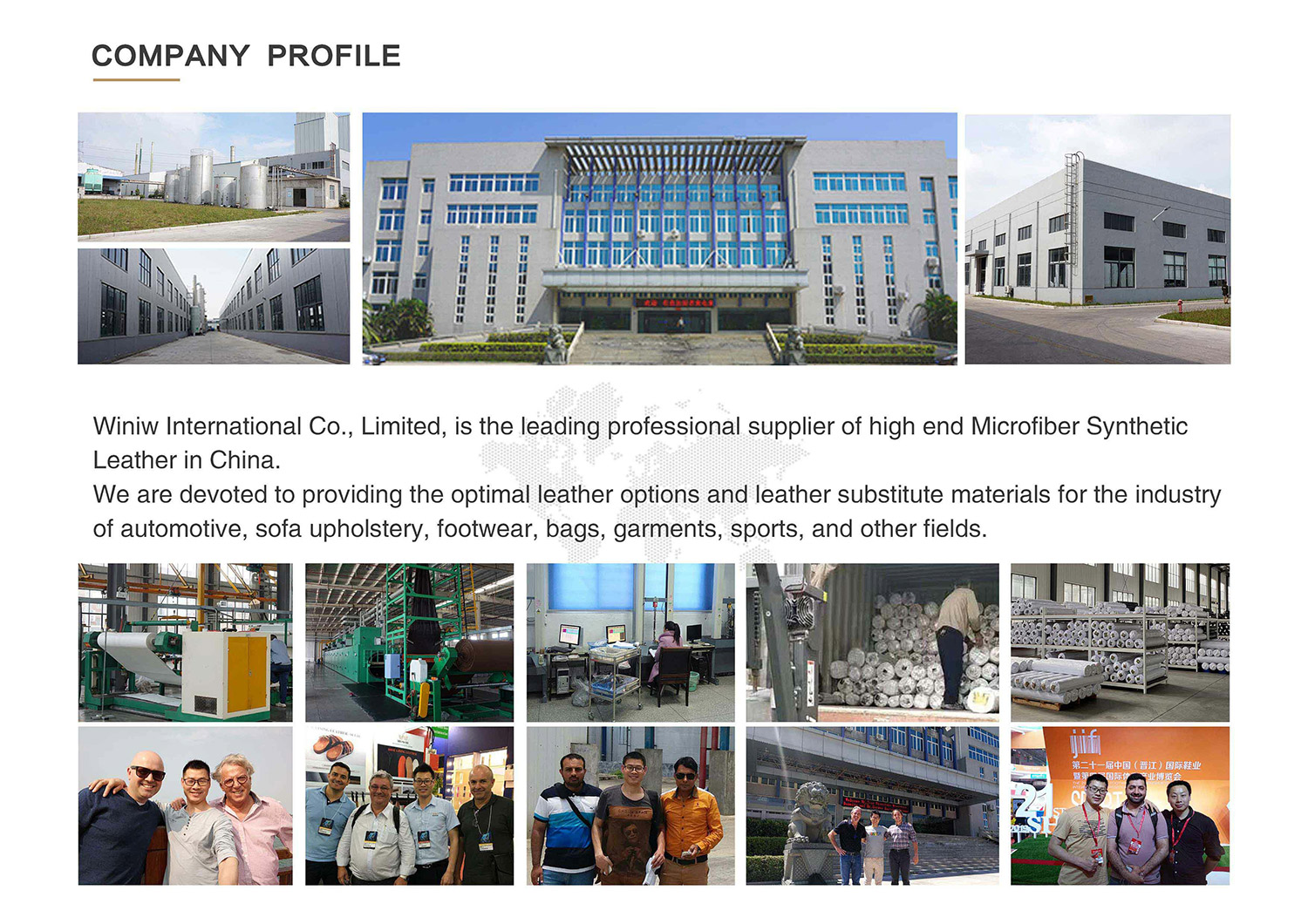
Winiw International Co.,Ltd


Сканирование в wechat:




 Тель : +86 18150976625
 Отправить по электронной почте : Market@MicrofiberLeather.com