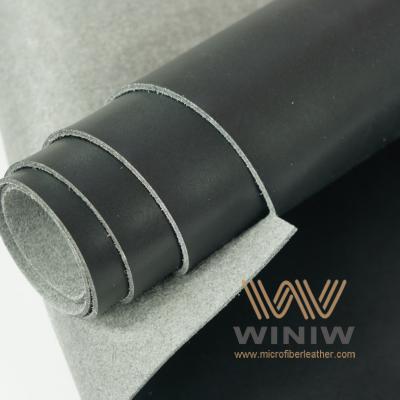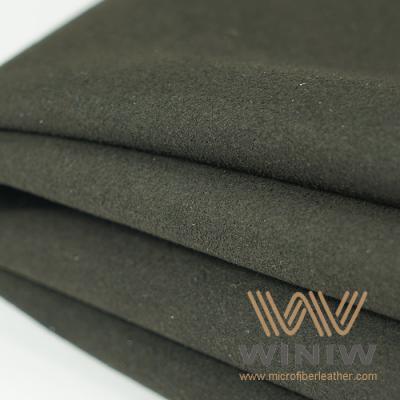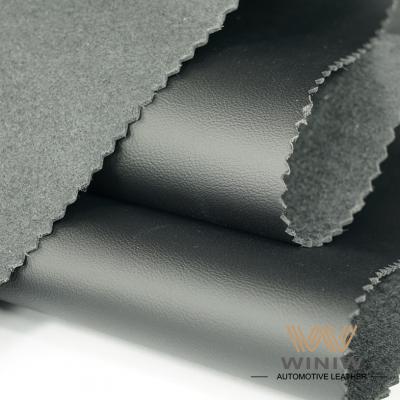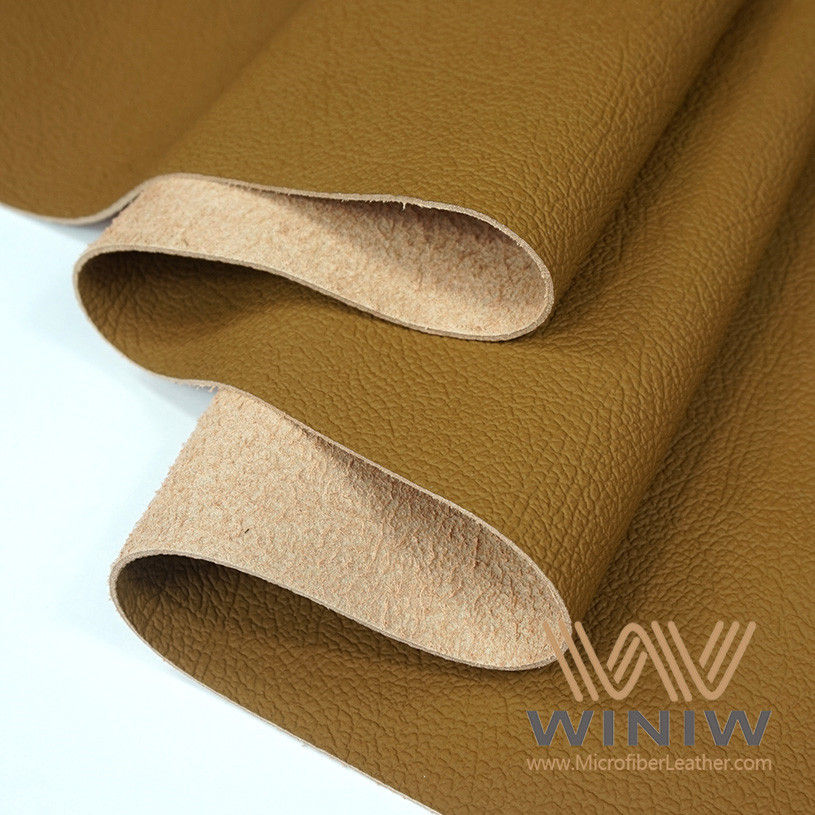
Вы можете распознать искусственную кожу в своем автомобиле, внимательно рассмотрев поверхность и текстуру материала. В большинстве современных автомобилей искусственная кожа используется в сиденьях, дверных панелях и приборной панели.
В отделке сидений часто используется искусственная кожа, на которую приходится около 55-60% рынка.
На отделку дверей приходится 15-20%.
На долю информационных панелей приходится 10-15%.
Никаких специальных инструментов не требуется.
Внимательно изучите текстуру поверхности. Натуральная кожа имеет уникальные дефекты, в то время как искусственная кожа выглядит однородной и безупречной.
Проведите тест ногтем. На натуральной коже остаются временные следы, а искусственная кожа восстанавливается без следа.
Внимательно изучите этикетки и документацию. Такие термины, как «искусственная кожа» или «MB Tex», указывают на синтетические материалы, что поможет вам определить тип кожи в вашем автомобиле.
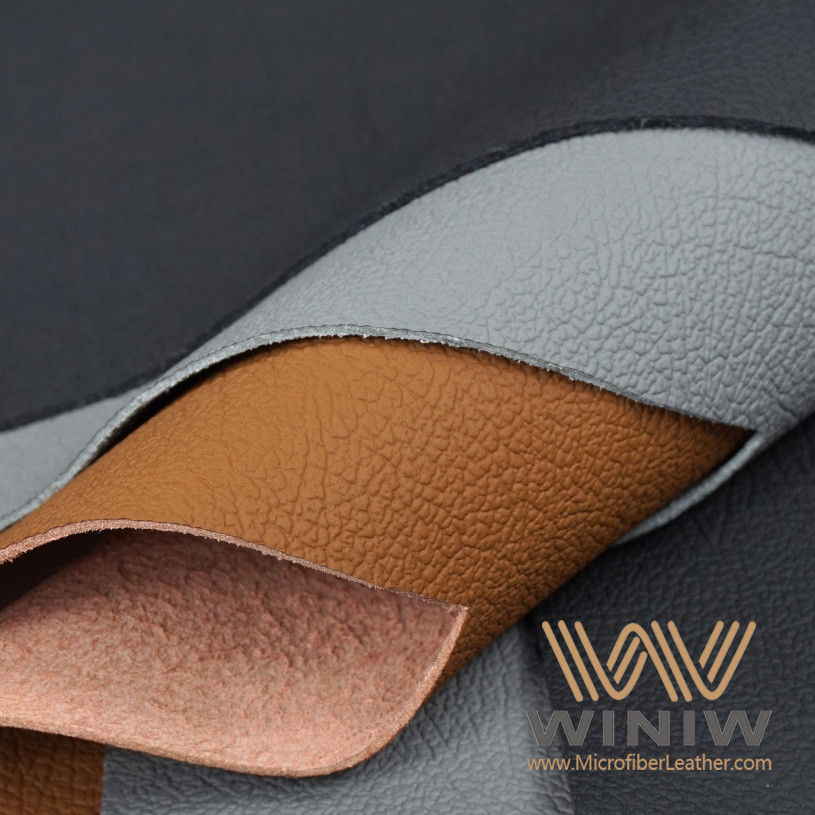
При осмотре автомобильных сидений вы можете заметить различия в рисунке и текстуре поверхности. Натуральная кожа часто имеет естественную текстуру с уникальными дефектами. Эти небольшие отметины и вариации придают каждому куску кожи свой неповторимый характер. Вы можете увидеть крошечные поры или линии, меняющиеся по всей поверхности сиденья. В отличие от этого, автомобильная искусственная кожа обычно имеет очень однородный вид. Рисунок текстуры повторяется и выглядит почти идеально, что является признаком машинного производства.
Кончик: Если вы видите безупречный, повторяющийся узор, скорее всего, перед вами искусственная кожа для автомобилей.
Исследования в области материаловедения показывают, что натуральная кожа изготавливается из шкур животных. Это придает ей текстуру, которая различается в зависимости от вида, например, коровы, козы или овцы. Искусственная кожа изготавливается из тканевой основы, покрытой полиуретаном (ПУ) или поливинилхлоридом (ПВХ). Этот процесс создает гладкую, ровную текстуру. Натуральная кожа на ощупь кажется богатой и фактурной, в то время как автомобильная искусственная кожа часто более скользкая или резиновая. Вы также можете заметить разницу в запахе. Натуральная кожа имеет отчетливый, землистый запах, в то время как искусственная кожа может иметь легкий химический запах, особенно когда она новая.
Вы можете проверить поверхность ногтем. Аккуратно надавите ногтем на сиденье. На натуральной коже останется временный след, который быстро исчезнет. Это происходит потому, что натуральная кожа гибкая и состоит из натуральных волокон. Автомобильная искусственная кожа, напротив, может не оставлять следов или мгновенно восстанавливает свою форму. Поверхность на ощупь менее чувствительна.
Когда вы проводите рукой по натуральной коже, вы ощущаете сложную текстуру. Она может быть мягкой, но при этом слегка неровной. Искусственная кожа на ощупь более однородная и гладкая. Многие автовладельцы путают натуральную кожу с искусственной, потому что современные синтетические материалы выглядят и ощущаются очень похоже. Эта путаница распространена, поэтому не стоит полагаться только на один тест.
Осмотрите края автомобильных сидений или обивки. Натуральная кожа часто имеет шероховатый, волокнистый край. Вы можете заметить мелкие волокна или неровный срез. Искусственная кожа обычно имеет чистый, гладкий край, поскольку она вырезается машинным способом из листов. Если вы можете увидеть изнаночную сторону, то увидите, что у натуральной кожи подкладка похожа на замшу. У искусственной кожи изнаночная сторона похожа на ткань или пластик.
Примечание: В некоторых автомобильных сиденьях используется обработанная натуральная кожа, из-за чего поверхность может казаться менее естественной. Всегда проверяйте несколько участков, если вы не уверены.
Вы также можете поискать технические названия на этикетках или в руководстве по эксплуатации вашего автомобиля. Такие термины, как «MB Tex» или «H-Tex», указывают на синтетические материалы. Эти названия часто включают слова типа «luxe», «ultra», «tec», «tech» или «tex». Например, Mercedes-Benz использует «MB Tex» для обозначения прочной искусственной кожи, а Hyundai использует «H-Tex» в некоторых моделях.
Сочетая визуальные, тактильные и этикеточные проверки, вы сможете с уверенностью определить, используется ли в салоне вашего автомобиля натуральная кожа или искусственная кожа.
Когда вы спрашиваете: «Как определить, кожаная или виниловая обивка?», начните с проверки этикеток и документации, прилагаемых к вашему автомобилю. У большинства автомобилей есть наклейка сбоку или снизу водительского сиденья. На этой наклейке обычно указан номер модели, дата изготовления и другие важные детали. Вы можете использовать номер модели, чтобы найти информацию о вашем автомобиле в официальных базах данных технических характеристик. Эти ресурсы часто показывают, какие материалы производитель использовал для ваших сидений и отделки.
Кончик: Всегда проверяйте несколько мест в салоне автомобиля. Во многих автомобилях используется сочетание натуральных и синтетических материалов, поэтому поверхность сиденья может быть кожаной, а боковые части или спинка — виниловыми.
Маркировка производителя иногда может вводить в заблуждение. Во многих автомобилях, рекламируемых как имеющие кожаный салон, кожа используется только для обивки сидений. Боковые и задние части часто выполнены из винила. Такая практика затрудняет определение того, «как отличить кожаный салон от винилового», без тщательного осмотра. Синтетические материалы выглядят и ощущаются очень похоже на натуральную кожу, поэтому необходимо внимательно проверять.
Автопроизводители часто используют креативные формулировки для описания материалов отделки салона. Если вы хотите узнать, «как отличить кожу от винила», вам следует обратить внимание на определенные фразы в брошюрах и онлайн-каталогах. К распространенным терминам, указывающим на использование синтетических материалов, относятся:
Искусственная кожа
MB Tex
H-Tex
Софтекс
Обивка из кожи
Кожаные вставки
Высококачественная искусственная кожа
Примечание: Автопроизводители иногда используют такие выражения, как «кожаная отделка» или «с кожаной отделкой», для описания искусственной кожи в автомобиле. Эти термины могут создать впечатление, что вы покупаете натуральную кожу, хотя это не так.
Защитники прав потребителей и законодатели выразили обеспокоенность по поводу этой запутанной терминологии. В некоторых штатах разрабатываются законы, требующие четкой маркировки материалов в салонах автомобилей. Эти правила заставят производителей использовать простые и понятные термины и избегать введения потребителей в заблуждение.
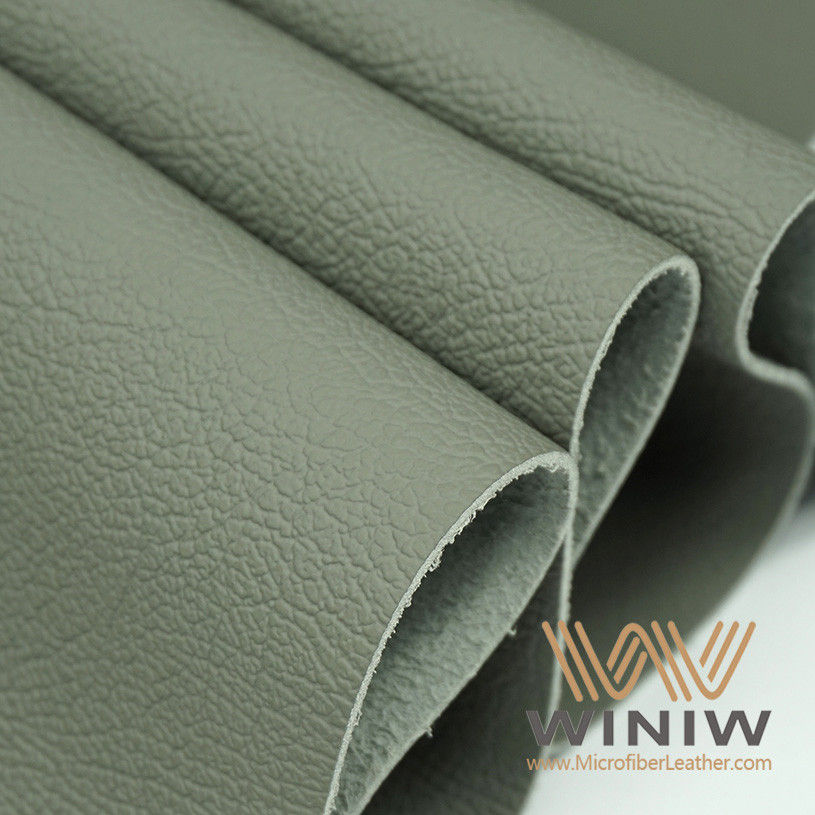
В современных автомобилях часто используется сочетание материалов для достижения баланса между стоимостью, комфортом и стилем. Вы можете обнаружить натуральную кожу на обивке сидений, винил по бокам и ткань или пластик в других местах. Такое сочетание может затруднить определение того, на чём вы сидите.
Ниже представлена таблица, демонстрирующая распространенные способы соединения материалов производителями:
|
Тип приложения |
Описание |
|---|---|
|
Полное обертывание |
Углеродное волокно ПВХ-кожа покрывает всю видимую поверхность сиденья, что часто встречается в спортивных моделях. |
|
Склеенное приложение |
Сочетание ПВХ-кожи с углеродным волокном и других материалов обеспечивает баланс между функциональностью и эстетикой. |
|
Украшение |
В некоторых местах используется ПВХ-кожа с добавлением углеродного волокна для придания изысканных спортивных деталей без нарушения целостности дизайна. |
Тенденция к использованию комбинированных материалов в отделке салона набирает обороты. Производители применяют новые технологии и легкие материалы, чтобы сделать автомобили более комфортными и экономичными. Это означает, что для получения полного представления о том, какие материалы используются в вашем автомобиле, необходимо проверить несколько его частей.
Вызывать: Всегда осматривайте поверхность сиденья, боковые стороны и спинку. Не полагайтесь на один-единственный признак, чтобы определить, натуральная это кожа или винил.
Автопроизводители обязаны соблюдать правила маркировки материалов отделки салона. Эти правила требуют четких определений для таких терминов, как «кожа» и «искусственная кожа». Маркировка должна быть написана простым языком и избегать вводящих в заблуждение формулировок. Если вы видите неясные или расплывчатые термины, обратитесь к дилеру за дополнительной информацией или проверьте официальную документацию на автомобиль.
Следуя этим шагам, вы сможете уверенно ответить на вопрос: «Как определить, кожаная или виниловая обивка в вашем автомобиле?». Тщательный осмотр и понимание маркетинговых терминов помогут вам распознать искусственную кожу в автомобиле и принять обоснованные решения о чистке, уходе и перепродаже.
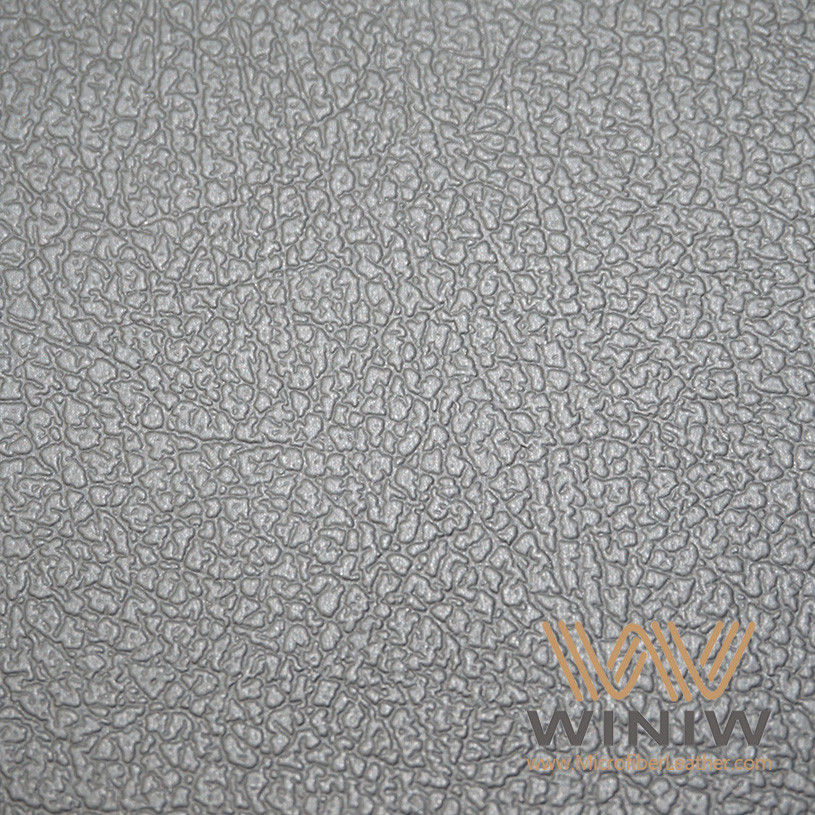
Прежде чем начать чистку салона автомобиля, необходимо знать разницу между натуральной кожей и искусственной кожей. Каждый материал по-разному реагирует на чистящие средства и условия окружающей среды. Использование неподходящего чистящего средства может повредить поверхность. Натуральная кожа чувствительна к воде и химическим веществам, поэтому следует использовать мягкие средства и избегать замачивания материала. Искусственная кожа легче чистится, но все же требует регулярного ухода, чтобы предотвратить растрескивание, отслаивание и выцветание.
Кончик: Обработка искусственной кожи кондиционером помогает сохранить ее эластичность и предотвратить повреждения. Экстремальные температуры могут сделать искусственную кожу ломкой или деформированной, поэтому следует защищать сиденья от прямых солнечных лучей и тепла.
Пренебрежение техническим обслуживанием приводит к видимым проблемам. Вы можете заметить трещины, отслоение, выцветание или изменение цвета. Неустраненные пролитые жидкости могут вызвать пятна и изменить текстуру или запах синтетических сидений. Жидкости могут проникать в искусственную кожу, вызывая неприятные запахи и изменение текстуры.
Для предотвращения растрескивания и выцветания искусственной кожи регулярно чистите её.
Используйте средства, предназначенные для синтетических материалов.
Чтобы предотвратить появление пятен, быстро обработайте пролитую жидкость.
Выбор материала отделки салона автомобиля влияет на его долгосрочную стоимость. Искусственная кожа при правильном уходе может прослужить до 20 лет, в то время как натуральная кожа может прослужить всю жизнь. Искусственная кожа лучше противостоит влаге, пятнам и царапинам, но не приобретает такой же патины и долговечности, как натуральная кожа. Факторы окружающей среды, такие как температура и влажность, влияют на оба материала. Натуральная кожа высыхает и трескается при высоких температурах, в то время как искусственная кожа лучше переносит влагу.
Искусственная кожа требует меньших затрат на уход и проще в чистке. Вы экономите деньги в долгосрочной перспективе и снижаете воздействие на окружающую среду. Знание материала, из которого изготовлена ваша кожа, поможет вам выбрать правильный режим ухода и защитит ваши инвестиции.
Определить, из какого материала сделана искусственная кожа для автомобиля, можно по однородной текстуре, непористой поверхности и более холодной на ощупь поверхности. Обратите внимание на равномерность покрытия и проверьте ногтем. Знание материалов, из которых сделана обивка вашего автомобиля, поможет вам сохранить его стоимость и комфорт. Используйте эти советы при покупке, продаже или чистке вашего автомобиля.

Обратите внимание на равномерную текстуру, гладкие края и отсутствие синтетического запаха. Натуральная кожа имеет естественные дефекты и специфический аромат.
Используйте чистящие средства, предназначенные для синтетических материалов.
Избегайте использования агрессивных химикатов.
Пролитую жидкость следует быстро вытирать, чтобы предотвратить появление пятен и трещин.
|
Материал |
Влияние на перепродажу |
|---|---|
|
Искусственная кожа |
Более низкий, но прочный |
|
Натуральная кожа |
Более высокий, премиум-класса |
Winiw International Co.,Ltd


Сканирование в wechat:




 Тель : +86 18150976625
 Отправить по электронной почте : Market@MicrofiberLeather.com