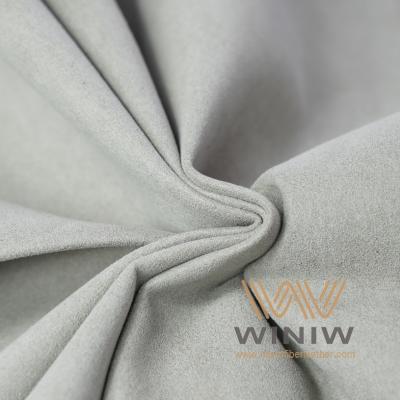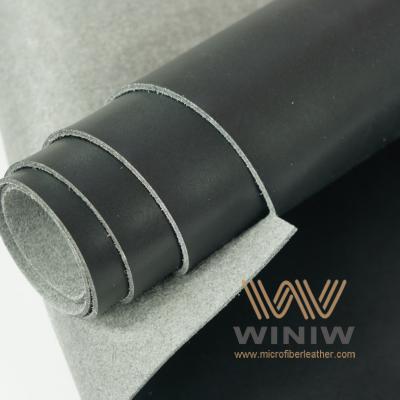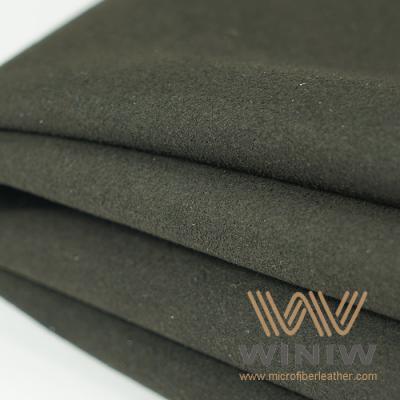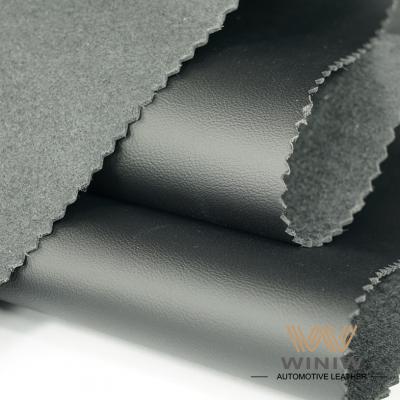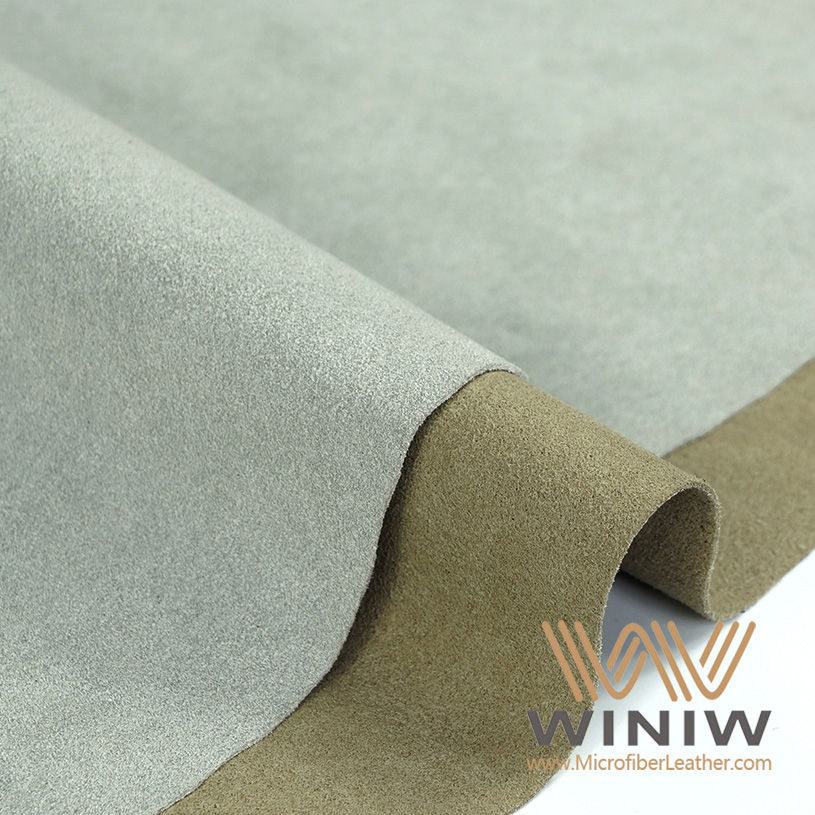
Вы видите микрофибру? веганская кожа Это синтетический материал, не содержащий компонентов животного происхождения, в котором полиуретан сочетается с микроволокнами полиэстера или нейлона. Такое сочетание обеспечивает мягкую текстуру, впечатляющую упругость и водостойкость. Микрофибровая кожа Веганский материал имитирует натуральную кожу, предлагая более легкий и экологичный вариант без использования материалов животного происхождения. продукты или агрессивными химическими веществами для загара.
Веганская кожа из микрофибры Это синтетический материал, не содержащий компонентов животного происхождения, который имитирует натуральную кожу, при этом являясь экологичным и не связанным с жестоким обращением с животными.
Выбор веганской кожи из микрофибры способствует устойчивому развитию, поскольку требует меньше ресурсов и позволяет избежать агрессивной химической обработки, характерной для традиционного производства кожи.
Веганская микрофибра прочна, водостойка и универсальна, что делает ее подходящей для широкого спектра изделий, от модных вещей до автомобильных интерьеров.
Вы можете подумать о веганская кожа из микрофибры Это современный материал, созданный для того, чтобы выглядеть и ощущаться как натуральная кожа, но без использования каких-либо продуктов животного происхождения. Производители создают эту ткань, сочетая сверхтонкие синтетические волокна с полиуретановым покрытием. Наиболее распространенные типы микроволокон, используемые в этом процессе, включают:
Сверхтонкий полиэстер
Нейлоновые волокна
Эти волокна расщепляются и сплетаются в плотную нетканую или вязаную основу. Такая структура придает веганской микрофибровой коже прочность и гибкость. Нередко некоторые бренды используют переработанные или биоразлагаемые материалы для производства этой ткани, что помогает снизить воздействие на окружающую среду. Поскольку в ее производстве не используются шкуры животных или ингредиенты животного происхождения, веганская микрофибровая кожа соответствует основным критериям веганской кожи. Она не содержит компонентов животного происхождения и часто производится с учетом принципов устойчивого развития.
Кончик: Выбирая веганскую микрофибровую кожу, вы поддерживаете этичные и экологически чистые альтернативы традиционной коже.
Вы заметите, что веганская микрофибра очень точно имитирует внешний вид и текстуру натуральной кожи. На микроскопическом уровне этот материал копирует коллагеновую матрицу, содержащуюся в животной коже. В результате получается мягкая и гибкая ткань, приятная на ощупь. В процессе производства используются ультратонкие синтетические волокна, которые расщепляются и сплетаются в прочную нетканую структуру. Это придает веганской микрофибре высокую прочность на разрыв и гибкость. Она устойчива к разрывам и растяжению, что делает ее долговечным выбором для многих изделий.
Вот некоторые ключевые различия между веганской микрофибровой кожей и натуральной кожей:
Веганская микрофибровая кожа изготавливается из синтетических волокон, а натуральная кожа — из шкур животных.
Для производства натуральной кожи требуются дубление и химическая обработка. Веганская микрофибровая кожа не подвергается этим агрессивным процессам.
Веганская микрофибровая кожа сохраняет свой внешний вид с течением времени. Натуральная кожа со временем покрывается патиной, трескается или отслаивается.
Использование веганской микрофибровой кожи позволяет снизить воздействие на окружающую среду. Традиционное производство кожи основано на ресурсоемком животноводстве и использовании химикатов.
Многие производители используют переработанный пластик или выращенные в лаборатории полимеры для производства веганской микрофибровой кожи, что снижает зависимость от ископаемого топлива.
Веганская микрофибровая кожа — это надежный выбор для изделий, требующих прочности, гибкости и этичного происхождения. Этот материал предлагает современное решение для тех, кто хочет получить внешний вид натуральной кожи, не сталкиваясь с этическими или экологическими проблемами.
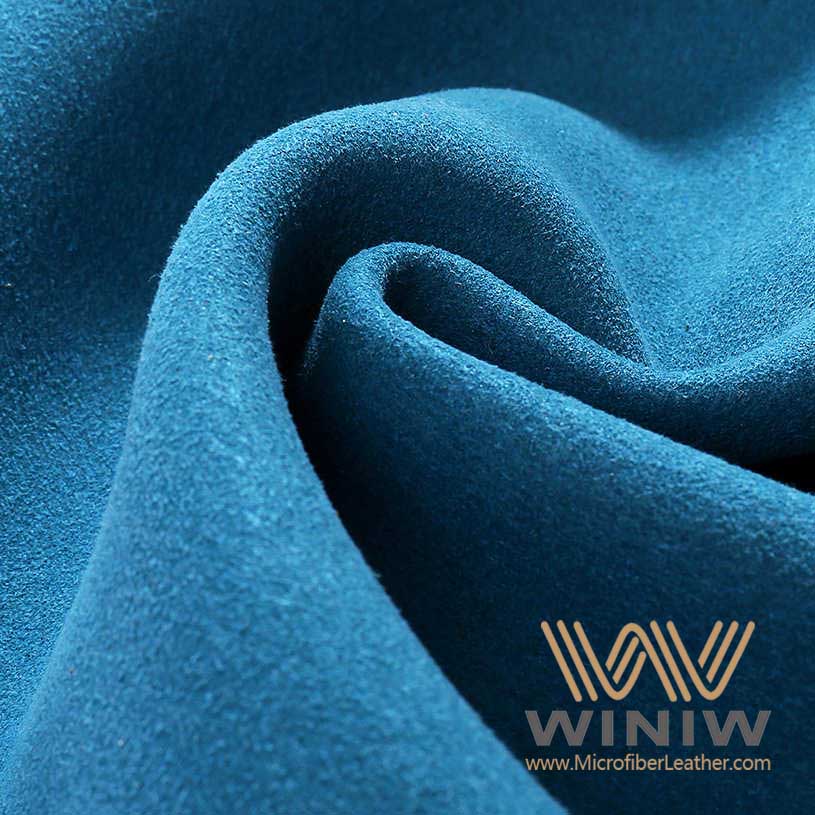
При изучении того, как..., вы начинаете с базовых материалов. микрофибровая кожа Изготавливается. Производители используют ультратонкие микроволокна из полиэстера и нейлона, которые часто получают из переработанного пластика. Эти микроволокна составляют основу микрофибровой кожи. Полиуретан выступает в качестве основного покрытия, придавая материалу прочность и водостойкость. В экологически чистых методах производства иногда используются клеи на водной основе.
|
Материал |
Источник |
|---|---|
|
Сверхтонкий полиэстер/нейлон |
Часто изготавливается из переработанного пластика. |
|
Полиуретан |
Как правило, из источников, содержащих нефть. |
|
Клеи на водной основе |
Используется в экологически чистых процессах |
Вы видите, что микроволокна созданы таким образом, чтобы имитировать внешний вид и текстуру натуральной кожи. Прецизионные тиснильные валики создают естественный рисунок текстуры. Технология расщепленного прядения позволяет получать мягкие нити из полиэфирных и полиамидных волокон. Тепло, давление или растворители скрепляют микроволокна в стабильную базовую ткань. Механическая и термическая обработка создают реалистичную текстуру кожи. Экологически чистые красители обеспечивают равномерный цвет, а защитное покрытие гарантирует долговечность.
Примечание: Многие производители используют экологически чистые материалы, такие как переработанные полиэфирные волокна из пластиковых бутылок, оставшихся после использования потребителями. Эта практика сокращает количество отходов и способствует экологически безопасному производству.
Процесс создания микрофибровой кожи включает в себя ряд этапов. Каждый этап влияет на качество и эксплуатационные характеристики конечного продукта.
Вы подготавливаете сырье, такое как полимерная смола и микроволокна. Качество этих материалов определяет прочность и эластичность микрофибровой кожи.
Вы смешиваете и пластифицируете сырье. Этот этап обеспечивает равномерное распределение и улучшает пластичность.
Вы формируете сетчатую структуру из волокон. Пластифицированные микроволокна обрабатываются в плотную сетку, имитирующую текстуру и прочность натуральной кожи.
Вы украшаете и обрабатываете поверхность. Полировка, окрашивание и защитные покрытия улучшают внешний вид и функциональность микрофибровой кожи.
Вы осуществляете строгий контроль качества и упаковку. Готовая продукция проходит проверку качества перед упаковкой для обеспечения безопасной доставки.
Синтетические волокна скручиваются в тонкие нити, которые затем сплетаются в плотную основу. Ткань покрывается полиуретаном, что помогает имитировать внешний вид и текстуру натуральной кожи. Тиснение добавляет реалистичные узоры, а финишная обработка повышает износостойкость и устойчивость к пятнам.
Кончик: Производители часто внедряют экологически чистые методы, такие как сокращение потребления воды и энергии. Инновационные технологии помогают сделать этот процесс более устойчивым.
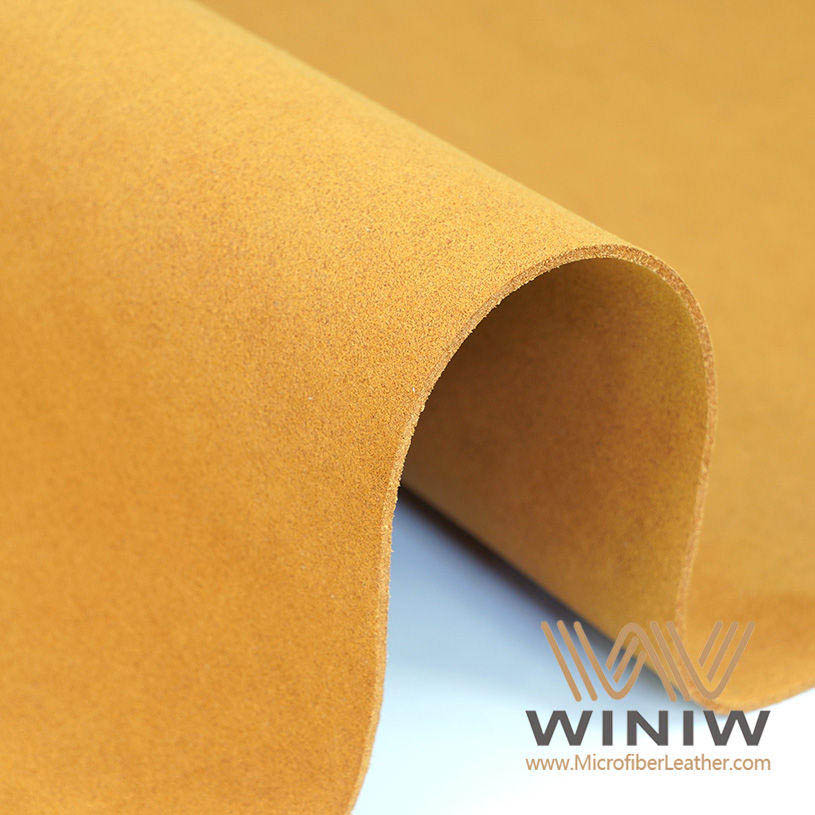
Для улучшения качества и эксплуатационных характеристик микрофибровой кожи наносятся поверхностные покрытия. Смягчающие средства повышают гладкость поверхности. Антибактериальные растворы сохраняют свежесть. Фиксаторы цвета помогают сохранить яркость оттенков. Защитные покрытия, в основном полиуретановые или на водной основе, создают барьер против пятен, влаги и ультрафиолетовых лучей.
|
Шаг |
Описание |
|---|---|
|
Микрофибровое ткачество |
Полиэстеровые или нейлоновые волокна плотно сплетаются, образуя плотную и прочную микроволоконную основу. |
|
Полиуретановое покрытие |
Микрофибра покрыта полиуретаном, что придает ей текстуру, похожую на кожу, повышает водостойкость и износостойкость. |
|
Текстурирование и отделка |
Для достижения эффекта натуральной кожи добавляются различные текстуры и цвета, часто с использованием тиснения или окрашивания. |
|
Сушка и отверждение |
Полученный материал высушивается и отверждается, что приводит к затвердению связи между микроволоконной основой и полиуретановым покрытием. |
Как видите, процессы отделки влияют на качество микрофибровой кожи. Сушка и полимеризация укрепляют связь между микрофибровой основой и полиуретановым покрытием. Техники текстурирования и окрашивания помогают имитировать внешний вид и текстуру натуральной кожи. Эти этапы гарантируют, что микрофибровая кожа соответствует высоким стандартам долговечности, внешнего вида и эксплуатационных характеристик.
Вызывать: Когда вы выбираете искусственная микрофибра В результате вы получаете продукт, сочетающий в себе экологически чистые материалы, передовые инженерные решения и строгий контроль качества. Этот процесс обеспечивает высококачественную, экологически безопасную альтернативу натуральной коже.
Выбирая веганскую кожу из микрофибры, вы получаете ряд преимуществ. Микрофибровая кожа отличается прочностью, мягкостью на ощупь и легкостью. Вы обнаружите, что веганская кожа более экологична, чем традиционное производство кожи. Микрофибровая веганская кожа вносит меньший вклад в загрязнение воды, истощение водных ресурсов и выбросы парниковых газов. Вы избегаете этических проблем, связанных с жестоким обращением с животными и разрушением окружающей среды. Веганская кожа не производит токсичных отходов, загрязняющих местные экосистемы. Микрофибровая веганская кожа менее ресурсоемка и экологична.
Использование веганской кожи позволяет избежать жестокого обращения с животными.
Для производства кожи из микрофибры требуется меньше ресурсов.
Использование искусственной кожи позволяет снизить потребление воды и энергии.
Использование веганской микрофибры способствует внедрению экологически чистых методов производства.
|
Тип материала |
Потребление воды (на кг) |
Энергопотребление (на кг) |
|---|---|---|
|
Анималистическая кожа |
Высокий |
Высокий |
|
Веганская кожа из микрофибры |
Низкий |
Умеренный |
|
Веганская кожа на растительной основе |
Очень низкий |
Низкий |
Микрофибровая кожа используется во многих областях. Куртки, обувь, ботинки, рюкзаки, брюки и мини-юбки из веганской кожи – популярный выбор. Микрофибровая веганская кожа применяется в производстве высококачественной обуви, спортивной обуви, сумок и мини-юбок. Ботинки и куртки из веганской кожи можно найти в моде. В автомобильных интерьерах микрофибровая веганская кожа используется для чехлов сидений и обшивки рулевого колеса. Дом Мебель, такая как диваны и кресла, выигрывает от устойчивости микрофибровой кожи к повреждениям от домашних животных и легкости в уходе. Спортивное и уличное снаряжение, включая футбольные мячи и фитнес-рукоятки, также использует микрофибру для повышения износостойкости.
|
Промышленность |
Уровень внедрения |
Ключевые факторы |
|---|---|---|
|
Автомобильная промышленность |
Высокий |
Долговечность, комфорт, высококачественная отделка, экологичность |
|
Обувь |
Высокий |
Воздухопроницаемость, водостойкость, доступная цена. |
|
Мода |
Высокий |
Универсальность, эстетика, экологичность |
Вы заметите, что веганская кожа имеет меньший углеродный след, чем натуральная кожа. Для производства веганской кожи из микрофибры требуется меньше воды и энергии. Натуральная кожа требует 240 литров воды на квадратный метр, в то время как синтетическая кожа — еще меньше. Веганская кожа из микрофибры не полностью биоразлагается, поэтому микрочастицы могут попадать в пищевую цепь. В процессе разложения выделяются фталаты, которые вредны. Низкая биоразлагаемость веганской кожи из микрофибры приводит к проблемам с загрязнением окружающей среды на свалках. Для проверки заявлений об экологичности можно обратиться к таким сертификатам, как OEKO-TEX® Standard 100, Global Recycled Standard, GOTS, Fair Trade и ISO 14001.
|
Название сертификата |
Описание |
|---|---|
|
Стандарт OEKO-TEX® 100 |
Не содержит вредных веществ. |
|
Глобальный стандарт переработки (GRS) |
Изготовлено из переработанных материалов. |
|
ГОТС |
Органические источники, произведенные с соблюдением принципов устойчивого развития. |
|
Сертификация справедливой торговли |
Этичные методы производства |
|
ISO 14001 |
Практики управления окружающей средой |
Веганская кожа из микрофибры поддерживает использование кожи, не содержащей компонентов животного происхождения, и растительных альтернатив. Выбирая веганскую кожу для своих изделий, вы способствуете внедрению устойчивых инноваций.
Вы воспринимаете микрофибровую веганскую кожу как прочный материал, не содержащий компонентов животного происхождения и изготовленный с использованием передовых технологий. Вы получаете выгоду от ее долговечности, щадящего производства и этичного отношения к животным.
Использование экологически чистых материалов и прозрачные процессы способствуют принятию экологически ответственных решений.
На рынке наблюдается тенденция к увеличению предпочтения веганской кожи благодаря ее эксплуатационным характеристикам и меньшему воздействию на окружающую среду.
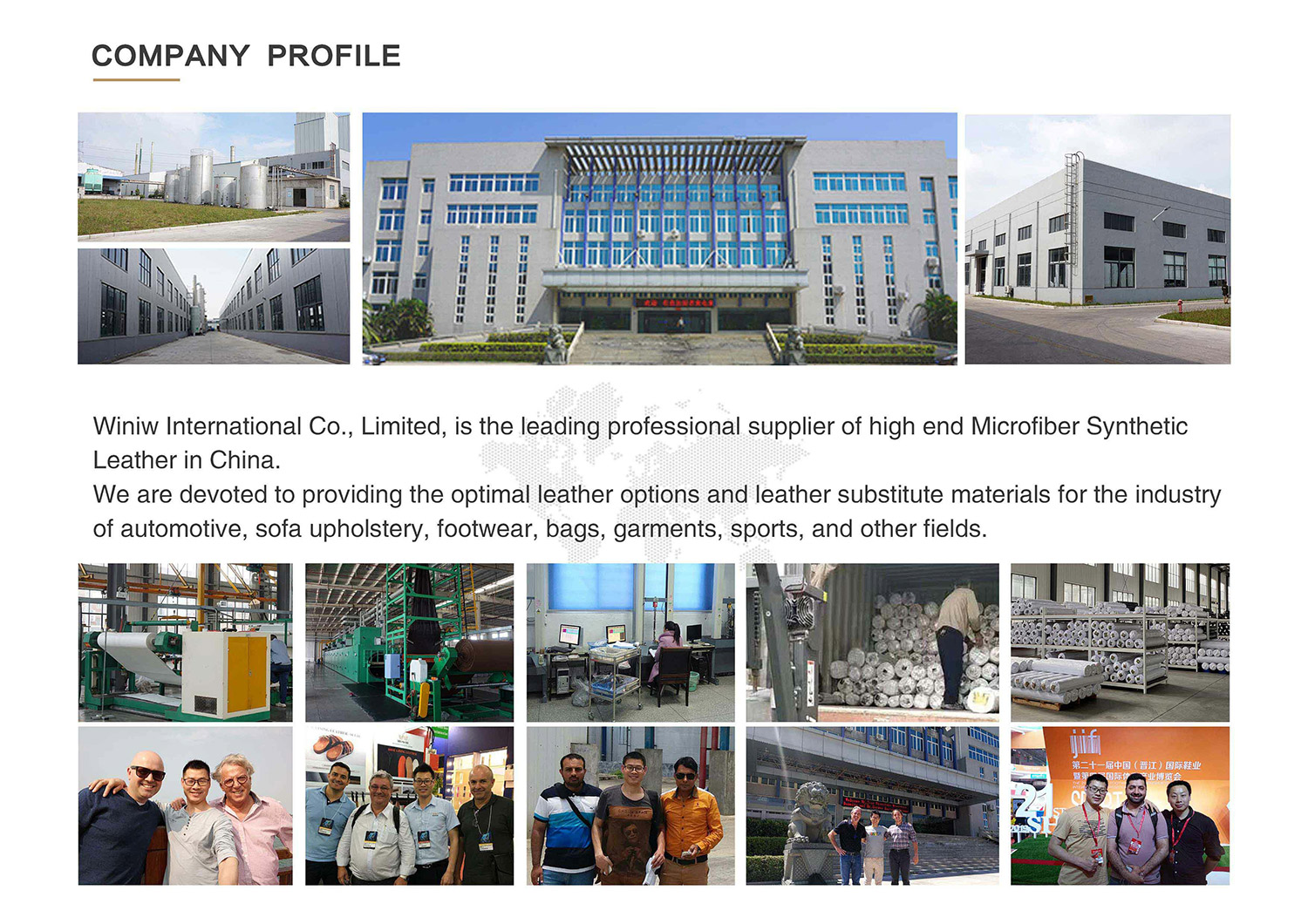
Вы получаете более плотную волокнистую структуру при веганская кожа из микрофибры Это обеспечивает лучшую износостойкость, воздухопроницаемость и более мягкое ощущение по сравнению со стандартными материалами. искусственная кожа .
Да! Пролитую жидкость можно вытереть влажной тряпкой. Для удаления пятен используйте мягкое мыло и воду. Избегайте агрессивных химикатов, чтобы поверхность выглядела как новая.
Вы оцените водостойкость микрофибровой искусственной кожи. Полиуретановое покрытие помогает отталкивать влагу, что делает ее подходящей для обуви, сумок и мебели.
Winiw International Co.,Ltd


Сканирование в wechat:




 Тель : +86 18150976625
 Отправить по электронной почте : Market@MicrofiberLeather.com