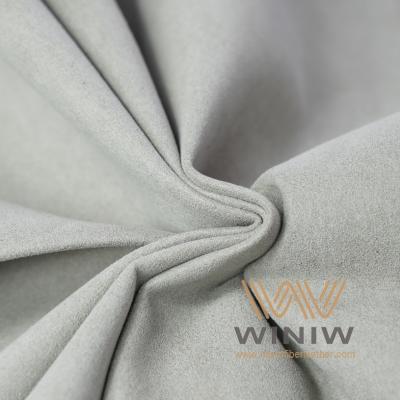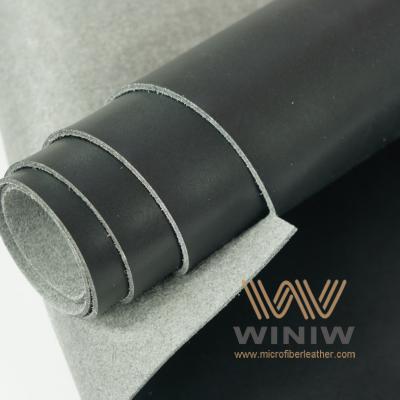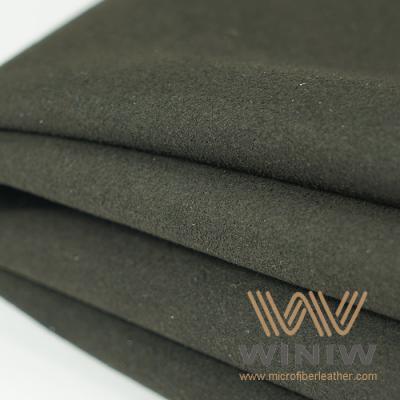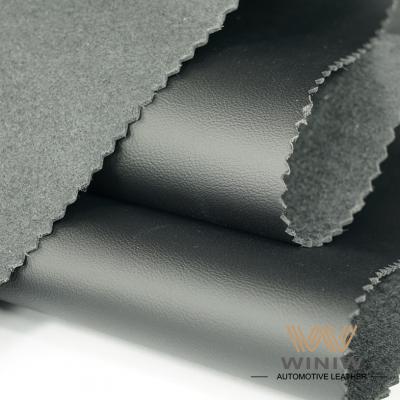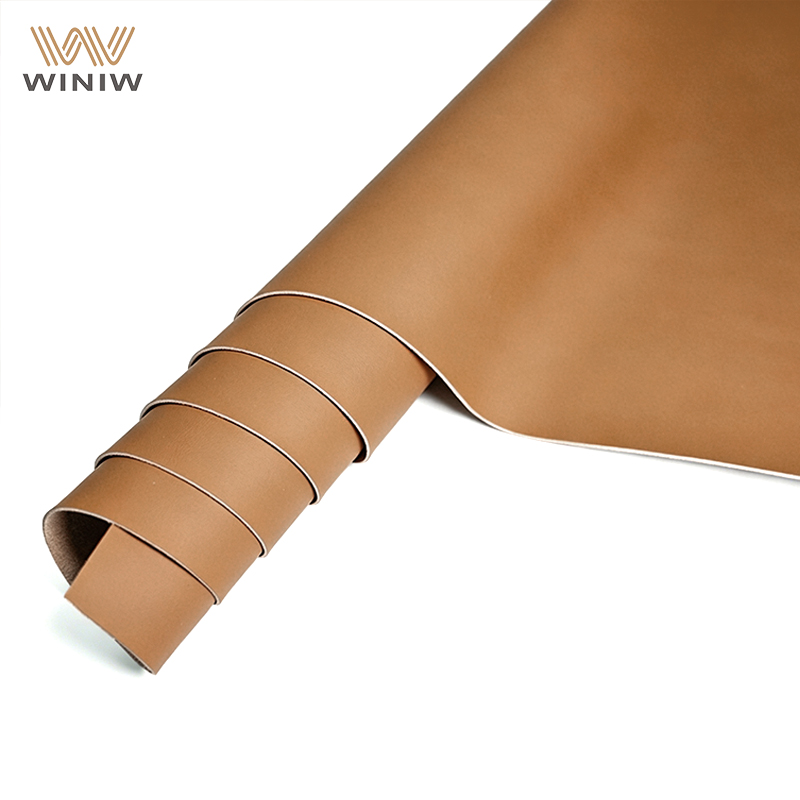
Ткань из телячьей кожи изготавливается из шкур молодых телят в возрасте до шести месяцев. Вы замечаете её мелкое зерно и исключительную мягкость. Ткань из телячьей кожи придаёт роскошь каждой детали. Вы цените её гладкую текстуру и премиальный внешний вид. Понимание особенностей ткани из телячьей кожи помогает вам распознавать качество и делать осознанный выбор.
Ткань из телячьей кожи выделяется своей долговечностью и элегантностью.
Телячья кожа происходит от молодых телят и известна своей мягкостью и мелким зерном.
Телячья кожа используется в предметах роскоши поскольку она долговечна и хорошо впитывает красители.
Правильный уход, такой как регулярная чистка и обработка кондиционером, помогает телячьей коже сохранять лучший вид.
Вы сталкиваетесь с телячьей кожейкак с премиальным материалом в кожевенной промышленности. Телячья кожа происходит от молодых телят, обычно в возрасте до шести месяцев, хотя некоторые источники относят к этой категории телят младше трёх лет. Вы замечаете, что телячья кожа выделяется своим мелким зерном, мягкостью, прочностью и гибкостью. Вы находите несколько видов, включая цельнозернистую, кожу с исправленным зерном и замшевую телячью кожу. Телячья кожа с зернистой структурой имеет гладкую поверхность и изысканный внешний вид. Вы понимаете, что телячья кожа мягче, чем кожа крупного рогатого скота, и более эластична, чем кожа ягнёнка. Это уникальное положение в иерархии кож делает телячью кожу очень востребованной для предметов роскоши.
Телячья кожа получается из молодых животных крупного рогатого скота, обычно в возрасте до одного года.
Телячья кожа является побочным продуктом молочных ферм, что поддерживает этичное снабжение.
Возраст телёнка влияет на качество кожи. Более молодые шкуры тоньше, мягче и податливее, чем кожа взрослых коров.
Телячья кожа хорошо впитывает красители, придавая вам яркие цвета и роскошную отделку.
Вы видите использование телячьей кожи в высококачественной обуви, сумках, кошельках и аксессуарах. Вы цените её сочетание долговечности и элегантности. Телячья кожа с зернистой структурой имеет гладкую текстуру, которая ощущается мягкой и податливой на ощупь.
Вы обнаруживаете, что телячья кожа встречается реже, чем кожа крупного рогатого скота. Шкуры телят происходят от молодых телят, в основном в возрасте до одного года . Вы понимаете, что редкость телячьей кожи обусловлена ограниченным предложением и трудоёмким процессом дубления. Опытные мастера бережно работают с телячьей кожей, чтобы сохранить её мелкое зерно и роскошные качества. Вы понимаете, что телячью кожу дороже приобретать из-за её дефицита и тщательных этапов обработки.
Вы цените телячью кожу за её премиальное качество и статус роскоши. Редкость телячьей кожи делает её ценным материалом для высококачественных изделий.
Телячья кожа выделяется как лёгкая, прочная и роскошная по сравнению с кожей крупного рогатого скота. Когда вы сравниваете телячью кожу с кожей ягнёнка, вы замечаете, что телячья кожа лучше противостоит потёртостям и служит дольше. Вы видите, что характеристики телячьей кожи включают прочность, мягкую текстуру и универсальность.
Вы обнаруживаете, что производство телячьей кожи различается по всему миру. Следующая таблица показывает ведущих производителей :
|
Страна |
Производство (млн кв. футов) |
% от всего производства |
|---|---|---|
|
Китай |
5,962 |
24.9 % |
|
Бразилия |
2,260 |
9.4% |
|
Россия |
1,652 |
6.9% |
|
Индия |
1,516 |
6.3% |
|
Италия |
1,503 |
6.3% |
|
Соединенные Штаты |
719 |
3.0% |
|
Аргентина |
804 |
3.4% |
|
Мексика |
642 |
2.7% |
|
Турция |
529 |
2.2% |
|
Все остальные |
7,245 |
30.2% |
Вы также замечаете, что Соединенные Штаты, Франция и Германия лидируют по стоимости экспорта телячьей кожи. Этот мировой спрос подчеркивает роскошную привлекательность и высокие стандарты качества кожи из телячьей кожи.
Вы узнаете характеристики телячьей кожи по ее мелкозернистой структуре и гладкой отделке. Телячья кожа ощущается мягкой и эластичной, что повышает комфорт и ощущение роскоши. Вы видите едва заметные различия в зернистости и цвете, делающие каждый кусок уникальным. Телячья кожа с естественной зернистостью выделяется среди синтетических альтернатив благодаря своей природной красоте и текстуре.
Телячья кожа отличается мелкозернистой структурой, которая придает ей гладкий и элегантный вид.
Вы ощущаете мягкую и эластичную текстуру, которая усиливает ощущение роскоши.
Телячья кожа равномерно впитывает краситель, создавая насыщенные цвета и высококачественную отделку.
Вы замечаете долговечность и устойчивость к потертостям, что делает телячью кожу идеальной для предметов роскоши.
Вы сравниваете телячью кожу с другими видами элитной кожи. В следующей таблице показаны различия в долговечности:
|
Тип кожи |
Сравнение долговечности |
|---|---|
|
Телячья кожа |
|
|
Кожа ягнёнка |
Мягче, но менее долговечна, чем телячья кожа. |
|
Козья кожа |
Прочнее телячьей кожи, но менее изысканная. |
Вы понимаете, почему телячья кожа считается роскошной. Телячья кожа сочетает прочность, мягкость и изысканный внешний вид. Вы цените телячью кожу за её высокие стандарты качества и роскошную привлекательность. Характеристики телячьей кожи включают эластичность, устойчивость и гладкую поверхность. Вы видите, что зернистая телячья кожа используется в высококлассных изделиях, поскольку она сочетает красоту и долговечность.
Вы цените телячью кожу за её уникальное сочетание роскоши, комфорта и долговечного качества. Выбирая телячью кожу, вы инвестируете в высококачественные материалы, которые улучшают ваш стиль и впечатления.
Вы начинаете с необработанных шкур молодых телят, чтобы изготовить телячью кожу. Процесс начинается с тщательного выбора сырья, часто с молочных ферм, которые уделяют приоритетное внимание благополучию животных. Вы видите, что возраст и здоровье телёнка влияют на качество шкуры. Когда вы спрашиваете, как производится телячья кожа, вы узнаёте, что путь от необработанной шкуры до высококачественной кожи включает несколько точных этапов. Каждый этап требует умелого мастерства, чтобы сохранить тонкую зернистость и мягкость, которые делают телячью кожу уникальной.
Вот пошаговый обзортого, как производится телячья кожа:
|
Этап |
Описание |
|---|---|
|
Подготовка сырья |
Шкуры хранятся, из них удаляется соль и они повторно увлажняются перед обезжириванием. |
|
Дубление |
Шкуры сохраняются с помощью дубильных веществ, которые превращают их в кожу. |
|
Повторное дубление |
Изменяет характеристики кожи для её окончательного использования. |
|
Окрашивание |
Добавляет цвет коже с помощью различных красителей для однородности и точности оттенка. |
|
Отделка |
Улучшает внешний вид кожи и обеспечивает защитную поверхность. |
|
Финальная проверка |
Перед отправкой готовой кожи проводятся проверки качества. |
Вы замечаете, что каждый этап производства телячьей кожи направлен на сохранение естественной зернистости и обеспечение роскошной отделки. Виды производимой телячьей кожи зависят от используемых методов дубления и отделки. Вы обнаруживаете, что высококачественная натуральная кожа получается благодаря строгому контролю качества и вниманию к деталям на каждом этапе.
Совет: европейские кожевенные заводы часто соблюдают строгие экологические законы, которые помогают снизить загрязнение и способствуют устойчивому развитию в производстве телячьей кожи.
Вы узнаёте, что дубление является самым важным этапом в производстве телячьей кожи. Выбранный вами метод дубления влияет на текстуру, долговечность и внешний вид конечного изделия. Два основных метода дубления телячьей кожи — хромовое дубление и растительное дубление.
|
Метод дубления |
Характеристики |
Влияние на качество |
|---|---|---|
|
Хромовое дубление |
Обеспечивает мягкость и гибкость |
Укрепляет поверхность, придает глянцевую отделку |
|
Растительное дубление |
Использует ингредиенты растительного происхождения |
Обычно более жесткая структура, менее глянцевая отделка |
Хромовое дубление выполняется быстро и экономично. Оно придает телячьей коже мягкость, гибкость и блестящую поверхность. Box calf leather, популярный вид кожи, использует хромовое дубление для своего характерного внешнего вида.
Растительное дубление использует натуральные растительные экстракты. Оно создает более плотную матовую отделку и часто выбирается для традиционного ремесленного производства.
После дубления видно, что телячья кожа проходит повторное дубление, окрашивание и отделку. Эти этапы улучшают текстуру и цвет, делая кожу гладкой и привлекательной на вид. Современные достижения, такие как технология катионной отделки, улучшают мягкость и прочность, одновременно уменьшая необходимость в нанесении толстых покрытий. Эта технология помогает сохранить естественную красоту телячьей кожи и повышает ее эксплуатационные характеристики.
Также следует учитывать воздействие дубления на окружающую среду. При хромовом дублении используются такие химические вещества, как сульфат хрома (III), который может загрязнять воду при неправильном обращении. Сточные воды кожевенных заводов могут содержать вредные вещества, поэтому ответственные кожевенные предприятия инвестируют в системы очистки для защиты окружающей среды.
Примечание: Выбор телячьей кожи от надежных кожевенных предприятий обеспечивает более экологичные методы производства и более высокое качество продукции.
При покупке высококачественных кожаных изделий важно уметь отличать настоящую телячью кожу. Натуральная телячья кожа выделяется естественной зернистостью, мягкостью и гибкостью. Для определения подлинности можно использовать как визуальные, так и тактильные признаки.
Ищите естественный рисунок зерна с небольшими различиями и мелкими равномерно расположенными порами.
Потрогайте кожу. Настоящая телячья кожа мягкая, гладкая и гибкая. В руке она быстро нагревается.
Проверьте эластичность. При нажатии или сжатии кожа слегка растягивается и естественно образует складки.
Осмотрите цвет и зернистость. Небольшие различия в оттенке и текстуре являются нормальными для натуральной телячьей кожи, в отличие от однородного вида синтетических материалов.
Также можно использовать тест на сжатие. Настоящая телячья кожа мягко покрывается складками, тогда как искусственная кожа возвращается в исходное состояние без образования складок. Эти простые проверки помогают определить настоящую телячью кожу и избежать подделок.
Необходимо знать, как ухаживать за телячьей кожей, чтобы она сохраняла лучший вид. Регулярная очистка и кондиционирование защищают мягкость, цвет и долговечность изделий из телячьей кожи.
Протирайте поверхность мягкой сухой тканью, чтобы удалить пыль.
Для более глубокой очистки используйте мягкое средство для очистки кожи, предназначенное для телячьей кожи. Наносите его влажной тканью небольшими круговыми движениями.
Удалите остатки чистой сухой тканью и дайте коже высохнуть естественным образом вдали от источников тепла или солнечного света.
Обрабатывайте кожу кондиционером каждые 3–6 месяцев, используя качественное средство с натуральными маслами, такими как норковое масло или ланолин.
Равномерно нанесите небольшое количество кондиционера и дайте ему впитаться в течение 15–20 минут перед удалением излишков полировкой.
Выбирайте средства с нейтральным pH и избегайте агрессивных химикатов. Чрезмерное использование кондиционера может привести к появлению плесени или трещин, поэтому применяйте средства умеренно. В сухом или жарком климате может потребоваться более частая обработка телячьей кожи. Недостаточный уход может привести к пересыханию, выцветанию и сокращению срока службы кожи.
|
Причина повреждения |
Профилактическая мера |
|---|---|
|
Подверженность царапинам |
Используйте защитные спреи и храните в пылезащитных мешках |
|
Пятна |
Регулярная очистка и кондиционирование |
|
Повреждение от влаги |
Удалите излишки влаги промакиванием и высушите естественным образом |
|
Факторы окружающей среды |
Храните вдали от прямого солнечного света и влажности |
Совет: Всегда храните изделия из телячьей кожи в прохладном сухом месте и избегайте прямого солнечного света, чтобы сохранить их долговечность.
Возможно, вы задаётесь вопросом, как телячья кожа сравнивается с другими видами кожи. Телячья кожа ценится за мелкую структуру, мягкость и долговечность. Она дороже, чем коровья кожа и козья кожа, из-за своей редкости и мастерства, необходимого для её производства.
|
Тип кожи |
Долговечность |
Цена |
Распространённое применение |
|---|---|---|---|
|
Телячья кожа |
Высокая |
Высокая |
|
|
Коровья кожа |
Средняя |
Средняя |
Обычные кожаные изделия |
|
Кожа ягнёнка |
Низкая |
Высокая |
Предметы роскоши, мягкие изделия |
|
Козья кожа |
Средняя |
Средняя |
Одежда, аксессуары |
Телячья кожа — лучший выбор для роскошных сумок, обуви, кошельков и аксессуаров. Её лёгкость и изысканный внешний вид делают её идеальной для изделий премиум-класса.
Коровья кожа более распространена и используется для повседневных изделий. Она прочнее, но менее мягкая, чем телячья кожа.
Кожа ягнёнка ещё мягче, чем телячья кожа, но менее долговечна. Она используется для предметов роскоши, которые не требуют интенсивного использования.
Козья кожа обладает средней долговечностью и часто используется для одежды и аксессуаров.
Вы видите, что телячья кожа выделяется сочетанием красоты, прочности и долговечности. Доступные виды телячьей кожи, такие как кожа полного зерна, бокс-кальф и замша, дают вам варианты для разных стилей и применений. Выбирая телячью кожу, вы инвестируете в высококачественную натуральную кожу, которая демонстрирует мастерство изготовления и долгосрочную ценность.
Выбирая телячью кожу, вы наслаждаетесь сочетанием роскоши, долговечности и вневременного стиля, с которым мало какие другие материалы могут сравниться.
Вы узнаёте телячью кожу по её долговечностиизящному внешнему виду и мягкой текстуре.
Телячья кожа хорошо подходит для производства, впитывает красители, создавая яркие цвета, и обеспечивает долговечное качество.
Вы видите, как телячья кожа доминирует в мире роскошной моды, влияя на рыночный спрос.
Понимание ухода за телячьей кожей и её качеств помогает вам выбирать кожаные изделия премиум-класса для роскошной моды.
Вы замечаете, что телячья кожа ощущается мягче и имеет более мелкую структуру. Вы видите, что её используют в изделиях класса люкс, поскольку она обеспечивает большую гибкость и более гладкую отделку.
Вы проверяете наличие естественного рисунка структуры и мягкой текстуры. Настоящая телячья кожа кажется тёплой и гибкой.Синтетическая кожа часто выглядит однородной и кажется жёсткой.
Вы поддерживаете устойчивое развитие, выбирая телячью кожу от проверенных кожевенных предприятий. Многие используют экологичные методы дубления и получают шкуры как побочные продукты молочной промышленности.
Winiw International Co.,Ltd


Сканирование в wechat:




 Тель : +86 18150976625
 Отправить по электронной почте : Market@MicrofiberLeather.com