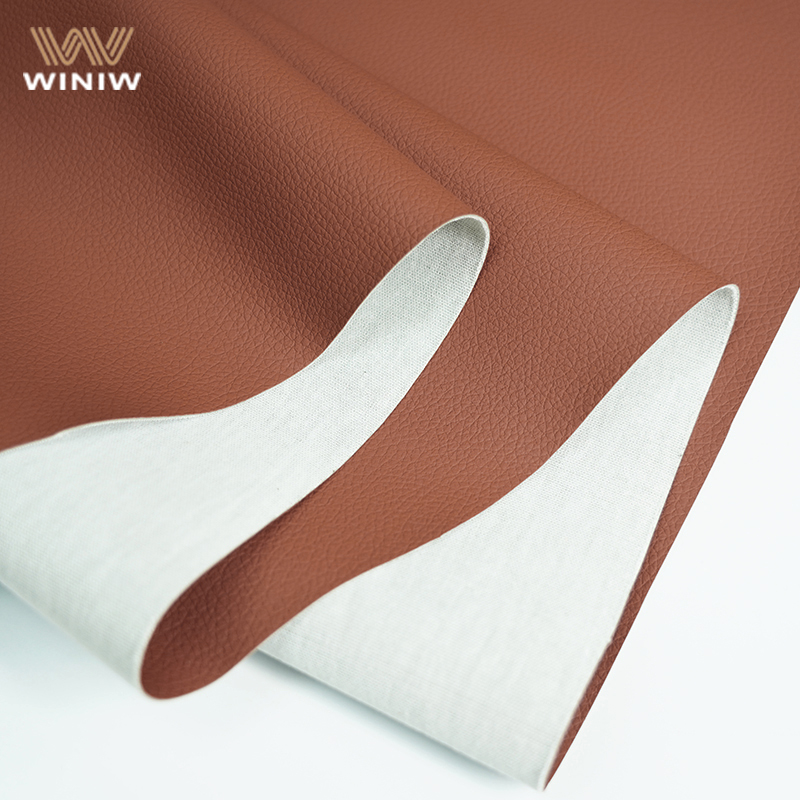
Вы можете легко сохранять микрозамшевые одеяла мягкими и свежими с помощью простого ухода. Просто используйте деликатную стирку, сушку при низкой температуре, регулярное взбивание и быструю очистку пятен. Микрозамша требует меньше усилий, чем хлопок, не мнется и сохраняет свою форму. Правильный уход помогает вашему постельному белью выглядеть новым и оставаться приятным на ощупь.
Взбивайте ваше микрозамшевое одеяло ежедневно, чтобы сохранить его мягкость и предотвратить образование комков.
Быстро реагируйте на разливы, промокая их чистой тканью, чтобы пятна не успели закрепиться.
Стирайте одеяло каждые несколько месяцев, используя деликатный режим и холодную воду, чтобы сохранить его мягкость.
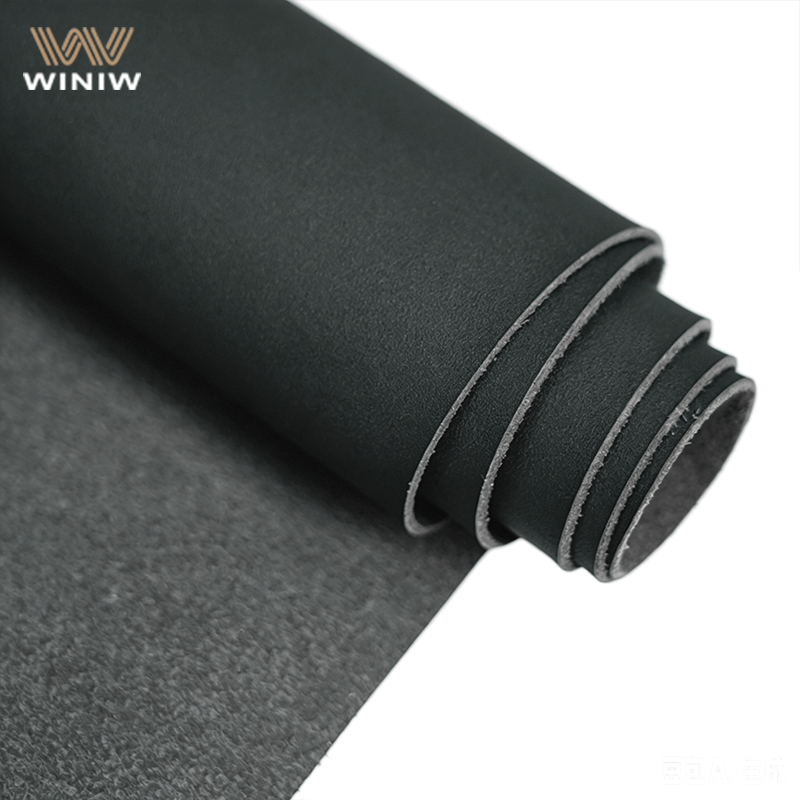
Вы хотите, чтобы ваше одеяло оставалось мягким и пушистым. Хорошо встряхивайте его каждое утро. Этот простой шаг помогает равномерно распределить наполнитель и сохранить объемность.
Ежедневное взбивание предотвращает образование комков и помогает постельному белью выглядеть свежим.
Встряхивание также помогает сразу заметить пятна или разливы.
Совет: Сделайте взбивание частью своей утренней рутины. Это занимает всего несколько секунд, но дает заметный результат.
Разливы случаются, но вы можете быстро с ними справиться. Вот как удалить распространенные пятна с микрозамшевых одеял:
Масло и жир: Нанесите промакивающими движениями 3% перекись водорода на пятно. Подождите до 20 минут, затем промойте холодной водой.
Еда и напитки: Удалите остатки пищи, промокните пятно, смешайте холодную воду и перекись водорода, нанесите смесь и оставьте на 10–15 минут. Снова промокните.
Чернила: Используйте медицинский спирт или антисептик для рук на ватном диске. Промойте холодной водой.
Макияж: Нанесите средство для снятия макияжа или средство для мытья посуды, аккуратно потрите, промойте и постирайте как обычно.
Примечание: Всегда сначала проверяйте чистящий раствор на небольшом участке. Быстрая очистка пятен помогает вашему одеялу выглядеть новым и упрощает уход.
Свежий воздух творит чудеса с вашим постельным бельем. Вынесите одеяло на улицу в солнечный день. Солнечный свет и свежий воздух помогают уничтожать бактерии и устранять запахи.
Регулярное проветривание позволяет влаге испаряться и уменьшает накопление пыли.
Также можно использовать режим воздушной сушки или сушки без нагрева в сушильной машине в течение 10–15 минут. Добавьте шарики для сушки, чтобы предотвратить образование комков и усилить ощущение свежести.
Цитата: «Солнечный свет и свежий воздух — естественные способы сохранить чистый запах вашего одеяла».
Ежедневный уход помогает микрозамшевым одеялам оставаться мягкими и привлекательными. Эти простые шаги помогут вам наслаждаться своим постельным бельем каждый день.
Возможно, вы не знаете, как часто нужно стирать одеяло. Большинству людей не нужно стирать его каждую неделю. Вот несколько простых правил, которым стоит следовать:
Если у вас есть аллергия, домашние животные или вы живёте во влажном климате, стирайте его чаще.
Всегда проверяйте наличие пятен или пролитой жидкости и очищайте их сразу же.
Частая стирка сохраняет постельное бельё свежим и предотвращает накопление пыли и аллергенов. Если вы не уверены, помните, что слишком частая стирка может износить микрофибровые одеяла . Но недостаточно частая стирка может привести к появлению запаха и загрязнений.
Совет: используйте пододеяльник, чтобы сохранить одеяло чистым. Это означает, что вам не придётся стирать его так часто.
Есть два основных способа стирки микрофибровых одеял. Можно использовать стиральную машину или стирать вручную. У каждого способа есть свои преимущества. Вот простая таблица :
|
Аспект |
Машинная стирка |
Ручная стирка |
|---|---|---|
|
Расход воды |
15–30 галлонов за загрузку |
5–10 галлонов |
|
Эффективность по времени |
30–60 минут |
45–90 минут |
|
Безопасность волокон |
Деликатные циклы защищают волокна |
На 70% меньше повреждений от трения |
Если вы используете стиральную машину, выберите большую модель с деликатным режимом. Всегда используйте холодную или тёплую воду. Это помогает сохранить волокна в безопасности, а одеяло — мягким. Ручная стирка подходит, если вы хотите быть особенно бережными. Она расходует меньше воды и помогает одеялу прослужить дольше.
Примечание: не перегружайте стиральную машину. Одеялу нужно пространство для движения.
Выбор правильного моющего средства важен для микрофибровых одеял. Выбирайте мягкое, экологичное моющее средство. Не используйте средства с фосфатами , отбеливателями, искусственными ароматизаторами или агрессивными химикатами. Они могут навредить планете и вашей коже. Некоторые моющие средства содержат химические вещества, вредные для рыб и способные нанести ущерб вашему здоровью.
Используйте только небольшое количество моющего средства. Слишком большое количество может оставлять остатки и сделать одеяло жёстким.
Не используйте кондиционеры для белья. Они покрывают волокна и делают одеяло менее пушистым.
Стирайте в холодной или тёплой воде. Горячая вода может повредить волокна и привести к выцветанию цветов.
Если вы хотите провести глубокую очистку, отдайте одеяло в профессиональную химчистку . Там используют большие стиральные машины и специальные моющие средства. Это удаляет грязь и аллергены, а также помогает сохранить одеяло мягким и безопасным для чувствительной кожи.
Важно: бережная стирка микрофибровых одеял помогает им оставаться пушистыми, чистыми и служить дольше.
Если вы будете следовать этим шагам, вы будете знать, как стирать микрофибровые одеяла и сохранять постельное бельё в хорошем состоянии. Регулярная стирка, использование деликатных режимов и правильный выбор моющего средства действительно помогают вашим одеялам из микрозамши.
Правильная сушка вашего одеяла сохраняет его мягким и пушистым. Вам следует использовать самую большую сушильную машину которую сможете найти. Это дает вашему одеялу достаточно места для движения. Установите сушильную машину на самый низкий температурный режим. Высокая температура может повредить наполнитель и сделать ткань жесткой. Для сушки постельного белья из микрофибры может потребоваться несколько часов. Проверяйте влажные участки между циклами. Если найдете такие, запустите еще один цикл при низкой температуре. Избегайте салфеток для сушки, так как они могут оставлять остатки и снижать мягкость.
Совет: Низкая температура защищает волокна и помогает вашему одеялу служить дольше.
Вот что следует помнить при сушке:
Используйте сушильную машину большой вместимости для наилучшего результата.
Установите сушильную машину на самый низкий температурный режим.
Ожидайте более длительное время сушки, иногда до трех часов.
Проверяйте влажные участки и при необходимости повторяйте циклы.
Не используйте салфетки для сушки, чтобы сохранить одеяло пушистым.
Бережная сушка сохраняет ваше одеяло в отличном состоянии. Вы избегаете повреждений и сохраняете наполнитель равномерным.
Шарики для сушки делают процесс сушки проще и быстрее. Шерстяные шарики для сушки впитывают влагу и помогают разделять волокна. Это сокращает время сушки до 50%. Вы экономите энергию, а ваше одеяло становится более пушистым. Шарики для сушки также смягчают белье, уменьшают статическое электричество и разглаживают складки. Вы можете использовать три или четыре чистых шерстяных шарика для сушки или теннисных мячика. Они подпрыгивают внутри сушильной машины и встряхивают наполнитель. Это помогает предотвратить образование комков и улучшает циркуляцию воздуха.
Шерстяные шарики для сушки сокращают время сушки.
Они смягчают постельное белье из микрофибры и уменьшают статическое электричество.
Шарики для сушки помогают устранить складки и сделать изделие более пушистым.
Использование нескольких шариков предотвращает сбивание наполнителя в комки.
Цитата: «Шарики для сушки — это простой инструмент, который сохраняет ваше одеяло пушистым и свежим.»
Шарики для сушки хорошо подходят для одеял из микрофибры. Каждый раз после сушки вы получаете более мягкое и свежее ощущение.
После сушки нужно восстановить форму и объем вашего одеяла. Распушение простое и дает заметный результат. Возьмитесь за два угла и встряхните одеяло. Это перераспределяет наполнитель и разбивает образовавшиеся комки. Также можно разложить одеяло ровно и аккуратно размять наполнитель руками. Перемещайте или растягивайте наполнитель, чтобы распределить его равномерно. Если вы заметили стойкие комки, снова поместите одеяло в сушильную машину с шариками для сушки на короткий цикл обдува без нагрева.
Вот простой порядок действий для распушения:
Возьмитесь за два угла и встряхните, чтобы распределить наполнитель.
Разложите одеяло ровно и аккуратно разомните наполнитель.
Используйте сушильную машину с шариками для сушки в режиме обдува без нагрева для стойких комков.
Выделенный блок: Распушение после сушки сохраняет ваше одеяло мягким и удобным.
Вы сохраняете постельное белье из микрофибры в отличном состоянии с помощью этих шагов. Распушение помогает поддерживать объем и делает ваше одеяло новым после каждой стирки. Регулярное распушение является частью правильного ухода за одеялами из микрозамши.
Пролитая жидкость может появиться быстро, поэтому нужно действовать сразу. Возьмите чистую ткань и немедленно промокните пятно. Не трите, иначе можно глубже втереть пятно в микрофибру. Если заметить его вовремя, можно предотвратить его закрепление. Для большинства пролитых жидкостей лучше всего подходит холодная вода. Можно промокнуть участок, а затем дать ему высохнуть на воздухе. Если вы видите стойкое пятно, перед стиркой может понадобиться специальное чистящее средство.
Совет: Всегда проверяйте свои одеяла на наличие новых пятен, когда застилаете кровать. Раннее действие облегчает стирку позже.
Следует использовать подходящее чистящее средство для каждого типа пятен. Вот простая таблица, которая поможет выбрать лучший способ обработки пятен о стеганых одеялах из микрофибры:
|
Тип пятна |
Примеры |
Рекомендуемый способ удаления |
|---|---|---|
|
Белковые пятна |
Кровь, пот, биологические жидкости |
На основе ферментов, используйте только ХОЛОДНУЮ воду |
|
Пятна на масляной основе |
Косметика, лосьоны, кожный жир |
На основе растворителей, действует за 5–10 минут |
|
Таниновые пятна |
Кофе, чай, вино, фруктовые соки |
На основе кислорода, время воздействия 30+ минут |
|
Пятна от красителей |
Краска для волос, цветная косметика |
На основе кислорода, самые сложные для удаления |
Для белковых пятен используйте ферментное средство для очистки и холодную воду. Для масляных пятен требуется чистящее средство на основе растворителя. Таниновые пятна и пятна от красителей лучше всего удаляются средствами на основе кислорода. Всегда сначала проверяйте средство для очистки на небольшом участке. После обработки пятна промойте холодной водой и дайте участку высохнуть перед стиркой всего одеяла.
Некоторые продукты могут повредить одеяла из микрофибры. Не используйте отбеливатель, агрессивные химические средства и горячую воду. Они могут разрушить волокна и привести к выцветанию цветов. Никогда не используйте кондиционер для белья при стирке. Он покрывает волокна и делает их менее мягкими. Не трите слишком сильно, так как это может испортить текстуру. Если использовать неподходящее средство для очистки, можно усилить пятно или повредить одеяло.
Цитата: «Бережный уход и правильные этапы стирки помогают вашим одеялам из микрозамши выглядеть как новые».
Если следовать этим советам, вы сможете справляться с пятнами и сохранять постельное белье из микрофибры свежим. Бережная стирка помогает вашим одеялам дольше служить и оставаться мягкими каждую ночь.
Вы хотите, чтобы ваши одеяла из микрозамши оставались красивыми во время хранения. Убедитесь, что постельное белье чистое и сухое, прежде чем убрать его. Предварительная стирка удаляет пятна и запахи. Используйте хлопковый мешок для постельного белья или прочный пластиковый контейнер для хранения. Не используйте картон, кедр или обычный пластик. Они могут сделать ваше одеяло желтым. Если вам нужно больше места, вакуумные пакеты подходят для кратковременного хранения. Поместите бескислотную бумагу между слоями для дополнительной защиты. Всегда храните одеяло в темном сухом месте. Это защищает его от воды и солнечного света.
Совет: Положите тяжелые одеяла снизу, а легкие сверху. Это помогает содержать постельное белье в порядке и не дает ему сминаться.
Никто не хочет, чтобы его постельное белье плохо пахло. Вы можете предотвратить появление запахов с помощью нескольких простых действий: хорошо выстирайте и высушите одеяло перед хранением. Положите пакетик с осушителем в контейнер, чтобы впитать влагу. Выберите место с хорошей циркуляцией воздуха. Не храните одеяло во влажных подвалах или шкафах. Если вы будете делать это, ваше одеяло снова будет пахнуть свежестью при использовании. Бескислотная бумага и тканевые мешки также помогают защитить от запахов, пыли и насекомых.
Когда меняется погода, вы можете менять постельное белье. Проводите глубокую стирку раз в год чтобы сохранить одеяло в хорошем состоянии. Убедитесь, что оно полностью высохло перед хранением. Выберите сухое место, где воздух может свободно циркулировать. Если вы живете во влажном климате, используйте прочные пластиковые контейнеры. Если ваш дом сухой, хорошо подойдут тканевые мешки. Вакуумные пакеты подходят для экономии места, особенно для больших одеял.
Цитата: «Правильная стирка и хранение вашего одеяла помогают ему оставаться мягким и готовым к использованию».
Хранить и ухаживать за вашим постельным бельём просто. Следуйте этим шагам, и ваше одеяло останется свежим и уютным круглый год.
Вы можете думать, что помогаете своему постельному белью, но некоторые привычки могут испортить микрофибру. Если бросать одеяло в стиральную машину вместе с тяжёлой одеждой, это может привести к разрушению волокон. Использование горячей воды или высокой температуры в сушилке делает ткань жёсткой и уменьшает объём наполнителя. Сильное оттирание пятен может повредить поверхность. Следует избегать отбеливателя и кондиционера для белья. Эти средства оставляют налёт и делают ваше одеяло менее мягким.
Совет: Всегда стирайте микрофибру отдельно и используйте щадящие режимы. Это сохраняет ваше постельное бельё пушистым и прочным.
Вы можете услышать странные советы об уходе за одеялами из микрозамши. Некоторые говорят, что их нужно стирать каждую неделю. Это неправда. Слишком частая стирка изнашивает волокна. Другие считают, что для каждого пятна нужно использовать специальные чистящие средства. Большинство пятен удаляются мягким мылом и холодной водой. Вам не нужны дорогие средства. Некоторые думают, что постельное бельё из микрофибры не переносит солнечный свет. На самом деле проветривание одеяла на солнце помогает удалить запахи.
|
Миф |
Реальность |
|---|---|
|
Стирать еженедельно |
Стирать каждые несколько месяцев |
|
Работают только специальные чистящие средства |
Обычно достаточно мягкого мыла |
|
Солнечный свет портит микрофибру |
Солнечный свет помогает освежить постельное бельё |
Возможно, вы захотите быстро исправить проблемы, но некоторые сокращённые пути не работают. Распыление освежителя воздуха на одеяло лишь маскирует запахи. Оно не очищает волокна. Использование ролика для удаления ворса для устранения пятен не поможет. Он лишь вдавливает грязь глубже. Глажка постельного белья из микрофибры может расплавить ткань. Следует придерживаться правильных шагов по уходу для долговременных результатов.
Цитата в блоке: «Быстрые решения часто создают больше проблем. Бережный уход сохраняет ваше одеяло мягким и чистым.»
Вы можете сохранить мягкость и приятный вид своих покрывал из микрозамши с помощью простых шагов.
Взбивайте постельное бельё каждый день, чтобы поддерживать его чистоту.
Сразу удаляйте пятна.
Бережно стирайте своё покрывало.
Сушите его при низкой температуре.
Храните его в чистом и безопасном месте.
Бережный уход за микроволокном помогает ему служить дольше. Регулярно чистите своё покрывало. Очищайте его после проливов. Очищайте его перед тем, как убрать на хранение. Используйте мягкое мыло при стирке. Используйте также мягкую воду. Бережно обращайтесь с ним руками. Используйте деликатные режимы в стиральной машине. Бережно сушите его. Бережно взбивайте его. Бережно храните его. Это сохраняет ваше покрывало мягким и уютным. Вы будете лучше спать с чистым покрывалом. Вы будете наслаждаться спокойными ночами и утрами. У вас будут приятные дни и времена года. Ваше покрывало останется красивым на долгие годы.
Сначала посмотрите на ярлык по уходу с инструкциями. Используйте холодную воду при стирке. Выберите деликатный режим на стиральной машине. Стирайте своё одеяло из микрозамши отдельно. Это помогает сохранить его в хорошем состоянии.
Проверьте ярлык по уходу перед выбором моющего средства. В большинстве случаев лучше всего подходит мягкое моющее средство. Не используйте отбеливатель или кондиционер для белья. Они могут повредить ваше одеяло из микрозамши.
Вы можете встряхнуть одеяло, чтобы разгладить складки. Также можно использовать сушильную машину в режиме обдува без нагрева. Не используйте высокую температуру. Ваше одеяло из микрозамши снова будет выглядеть гладким.
Совет: всегда читайте ярлык по уходу перед стиркой или сушкой одеяла из микрозамши. Это помогает сохранить его мягким и свежим.
Если вы потеряли ярлык по уходу, найдите в интернете бренд вашего одеяла из микрозамши.
Вы можете записать этапы ухода и хранить их рядом со своей прачечной.
Обратитесь за помощью в магазин, если вам нужны инструкции.
|
Этап |
Пример инструкции |
|---|---|
|
Стирка |
Используйте щадящий режим, как указано на ярлыке по уходу |
|
Сушка |
Используйте низкую температуру или сушку с обдувом, как указано в инструкции |
|
Удаление пятен |
Удаляйте пятна локально, как указано на ярлыке по уходу |
Цитата: «Понятные этапы ухода упрощают уход за вашим замшевым микрофибровым одеялом.»
Winiw International Co.,Ltd


Сканирование в wechat:




 Тель : +86 18150976625
 Отправить по электронной почте : Market@MicrofiberLeather.com