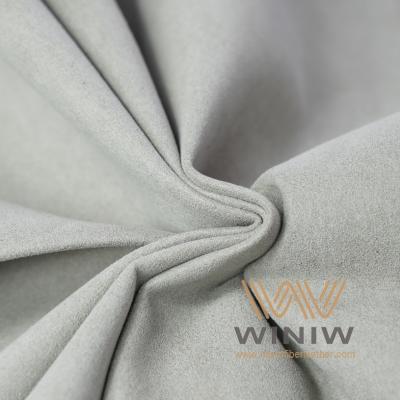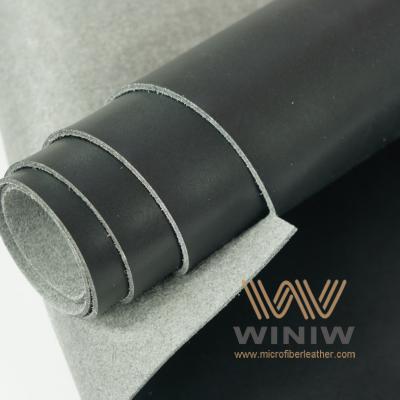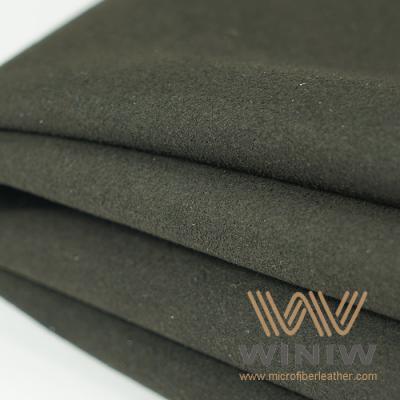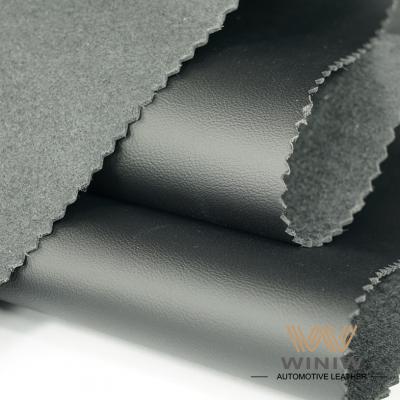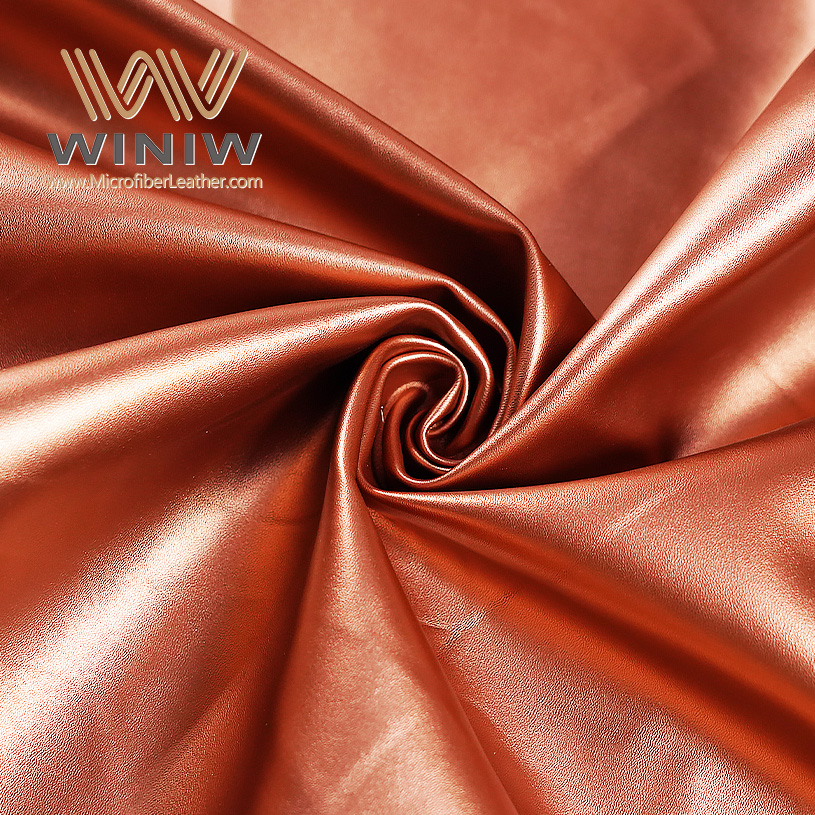
Веганскую обивочную кожу выбирают, когда хотят найти неживотную альтернативу, которая выглядит и ощущается как традиционная кожа. В большинстве вариантов используется полиуретан для мягкости и доступности, а в некоторых — переработанный пластик или материалы растительного происхождения, такие как кожа из грибов или ананаса. Веганская кожа Предлагает вам выбор, не связанный с жестоким обращением с животными, стильный и практичный.
Веганская обивочная кожа Предлагает этичную альтернативу традиционной коже, используя такие материалы, как полиуретан, переработанный пластик и растительные источники, например, ананас и грибы.
При покупке веганской кожи всегда проверяйте наличие сертификатов и характеристики материала, чтобы убедиться в экологичности и высоком качестве выбранного варианта.
Веганская кожа на растительной основе, как правило, более экологична, чем синтетические аналоги, поскольку снижает зависимость от нефти и может быть биоразлагаемой, что делает ее лучшим выбором для окружающей среды.
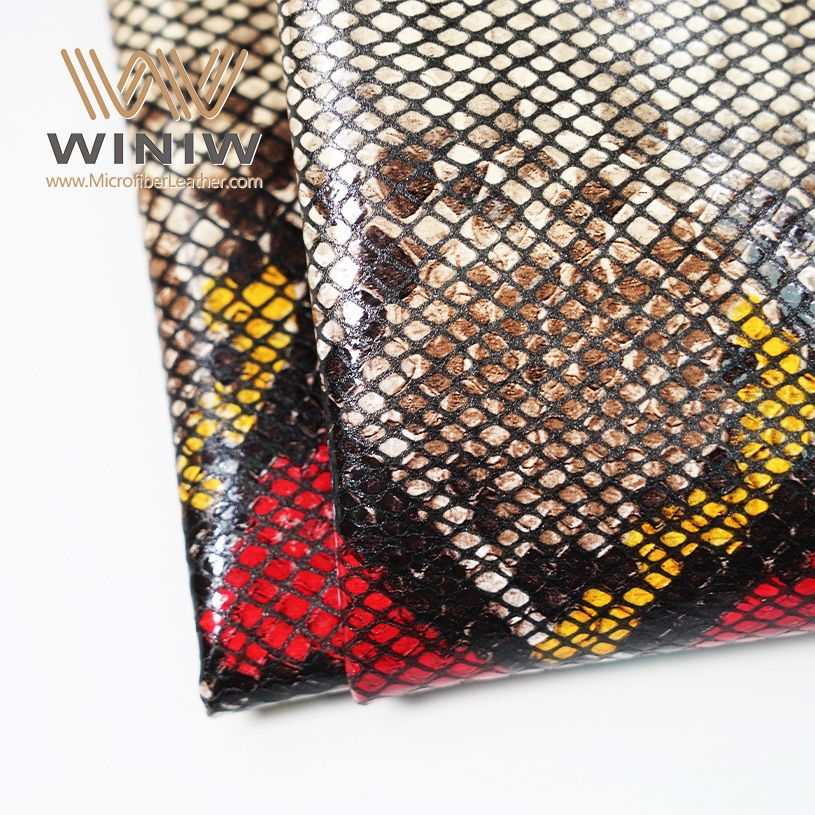
Вы найдёте веганская обивочная кожа Это современное решение для тех, кто хочет использовать экологически чистые и этичные материалы. Этот вариант альтернативной кожи выделяется тем, что не использует шкуры животных. Вместо этого производители используют синтетические соединения или растительные источники. Вы можете выбрать такие материалы, как полиуретан, поливинилхлорид, грибные волокна, листья ананаса, кактусы и отходы яблок. Из этих материалов создается веганская кожа. продукты которые имитируют внешний вид и текстуру традиционной кожи.
Вы заметили несколько характеристик, отличающих веганскую кожу от натуральной. Приведенная ниже таблица поможет вам сравнить их:
|
Характерный |
Веганская кожа |
Традиционная кожа |
|---|---|---|
|
Состав материала |
Изготовлено из органических/экологически чистых материалов. |
Изготовлено из шкур животных. |
|
Долговечность |
Срок годности: 2-5 лет |
Долговечный, хорошо сохраняет свой вид с течением времени. |
|
Запах |
Запах, похожий на запах пластика, или его полное отсутствие. |
Насыщенный, землистый аромат |
|
Разработка патины |
Не образует патину |
Со временем на нем образуется патина. |
|
Общее качество |
Различный, как правило, менее долговечный. |
Высокое качество, почитаемое ценителями. |
Как видите, веганская кожа не покрывается патиной и часто имеет запах, напоминающий пластик. Срок службы варьируется, но большинство вариантов веганской кожи служат от двух до пяти лет. Некоторые высококачественные варианты веганской кожи используют передовые технологии на растительной основе для повышения прочности и долговечности.
Вы можете выбрать синтетическую или растительную веганскую кожу. К синтетическим типам относятся полиуретан (ПУ) и ПВХ. ПУ на ощупь мягче и гибче, а ПВХ имитирует внешний вид искусственной кожи, но со временем может потрескаться. Для изготовления растительной веганской кожи используются волокна ананаса, мицелий грибов, яблочные отходы, пробка и даже кофейная гуща. В таблице ниже показано, чем отличаются эти типы по текстуре, внешнему виду и характеристикам:
|
Вид веганской кожи |
Текстура |
Появление |
Производительность |
|---|---|---|---|
|
Синтетический (ПУ) |
Более мягкий, более гибкий |
Часто встречается на куртках, обуви, сумках. |
Более воздухопроницаемый, легкий. |
|
Синтетический (ПВХ) |
Менее гибкий |
Имитация кожи |
Со временем может потрескаться, оказывает большее воздействие на окружающую среду. |
|
На растительной основе (Пинатекс) |
Легкий, дышащий |
Естественный вид благодаря волокнам ананаса |
Прочный при смешивании с полиуретаном. |
|
На растительной основе (грибы) |
Мягкая, похожая на кожу. |
Уникальная текстура, обусловленная мицелием. |
Компостируемость зависит от степени обработки поверхности. |
|
На растительной основе (яблоко) |
Гладкая, прочная |
Сделано из яблочных отходов |
Повышенная прочность благодаря полимерам |
|
На растительной основе (Порт) |
Легкий |
Естественный вид пробки |
Естественная водостойкость |
Вы можете услышать, что веганская кожа всегда экологична. Это не всегда так. Воздействие на окружающую среду зависит от материалов и производственного процесса. Например, Compo-SiL® использует молекулы силикона для создания экологически чистой альтернативы ПВХ. Вы можете искать сертификаты, такие как BeVeg или Eurofins Chem-MAP, чтобы убедиться, что изделия из веганской кожи соответствуют веганским стандартам и стандартам устойчивого развития.
Совет: При выборе веганской кожи обращайте внимание на сертификаты и характеристики материала. Это поможет вам найти лучшую веганскую кожу, соответствующую вашим потребностям.
Веганская обивочная кожа используется во многих местах. Дизайнеры и производители применяют её для диванов, кресел, салонов автомобилей и коммерческой мебели. Веганскую кожу можно найти как в жилой, так и в автомобильной обивке. Рынок растительной веганской кожи быстро растёт. Более 40% мировых модных брендов сейчас используют кожу растительного происхождения. Использование кожи из ананаса увеличилось на 30% за последние два года, а спрос на кожу из яблока вырос на 20%. В автомобильном секторе 25% новых автомобилей имеют отделку из растительной кожи.
Веганская кожа — отличный выбор благодаря своей универсальности. Она хорошо подходит для современного, минималистичного или классического дизайна. Ее можно встретить в отелях, офисах и ресторанах. Северная Америка и Европа лидируют на автомобильном рынке веганской кожи на растительной основе. В США и Германии около 20% новых автомобилей изготовлены из экологически чистых материалов.
Возможно, вас интересует воздухопроницаемость и комфорт. Веганская кожа склонна задерживать тепло и влагу, в то время как натуральная кожа обладает естественной воздухопроницаемостью и комфортом. Для улучшения воздухопроницаемости, особенно в обивке, можно выбрать веганскую кожу растительного происхождения.
Вот некоторые распространенные материалы, используемые в производстве веганской обивочной кожи:
Листья ананаса
Грибные волокна
Кактус
Банановые волокна
Кокосовая вода
Кофейная гуща
Поливинилхлорид (ПВХ)
Полиуретан (ПУ)
Резина
Корк
Виноградная кожа
яблочная кожа
Вощеный хлопок
Бумага
кожа из древесной коры
крапивная кожа
Выращенная в лаборатории кожа
Альтернативы веганской коже представлены во множестве вариантов. Некоторые из них легкие и водостойкие, другие обладают уникальной текстурой. Вы можете выбрать лучшую веганскую кожу, исходя из вашего стиля и функциональных требований.
Примечание: Распространенное заблуждение заключается в том, что вся веганская кожа экологична. Всегда проверяйте источник происхождения и метод производства, прежде чем сделать свой выбор.
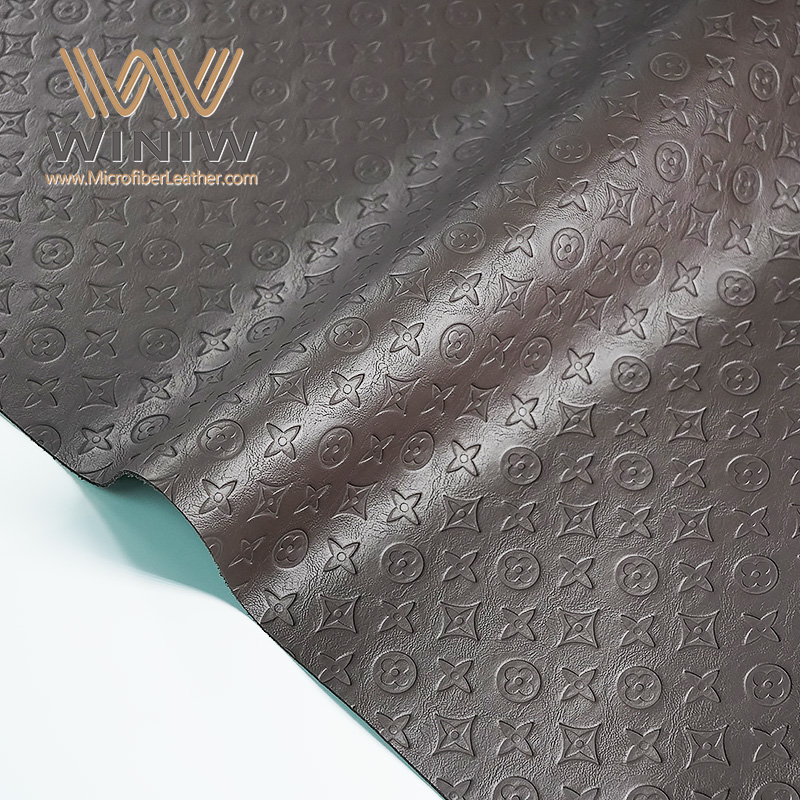
Вы встречаете синтетическая веганская кожа Искусственная кожа является одной из наиболее распространенных альтернатив натуральной коже. Производители используют пластмассы на нефтяной основе, такие как полиуретан (ПУ) и поливинилхлорид (ПВХ), для создания искусственной кожи, которая имитирует внешний вид и текстуру традиционной кожи. В отрасли часто можно услышать термин «искусственная кожа», который относится к синтетической веганской коже. Этот материал предлагает вариант, не связанный с жестоким обращением с животными, и соответствует этическим ценностям.
Вы видите два основных метода производства. искусственная кожа Влажный и сухой процессы. Влажный процесс включает смачивание подложки, покрытие её полиуретаном и затвердевание с помощью химического вещества под названием ДМФ. Сухой процесс включает покрытие смешанными материалами. полиуретановый материал Перед нанесением на ткань несколько раз протрите разделительную бумагу. ПВХ-кожа Производство начинается со смешивания сырого ПВХ и пигментов, нанесения смеси на ткань, а затем пропускания ее через пенообразователь для утолщения слоя. Производители наносят текстурные тиснения и проводят обработку поверхности для повышения прочности и улучшения внешнего вида.
|
Химический компонент |
Описание |
|---|---|
|
Полиуретан (ПУ) |
Пластик на нефтяной основе, широко используемый в производстве искусственной кожи. |
|
Поливинилхлорид (ПВХ) |
Еще один вид пластика на нефтяной основе, используемый в производстве искусственной кожи. |
|
Кукурузное масло |
Компонент растительного происхождения, который можно комбинировать с полиуретаном. |
Примечание: Искусственная веганская кожа может быть изготовлена с использованием каландрирования или разделительной бумаги. Эти технологии помогают добиться стабильного качества и текстуры.
Вы заметили, что производство синтетической веганской кожи в значительной степени зависит от использования пластика. Такой подход позволяет производителям выпускать большие объемы продукции для обивки мебели, модной индустрии и автомобильной промышленности. Вы получаете выгоду от доступности и универсальности синтетической веганской кожи, но вам следует учитывать ее воздействие на окружающую среду.
Веганская кожа на растительной основе — это относительно новое направление в области устойчивого материаловедения. Производители используют возобновляемые ресурсы и сельскохозяйственные отходы для создания альтернатив коже. В качестве растительных материалов используются листья ананаса, мицелий грибов, кактусы, яблочная кожура, побочные продукты виноградарства, кокосовая вода и банановые волокна. Эти источники помогают снизить зависимость от нефти и способствуют экологически чистому производству.
|
Аспект |
Искусственная веганская кожа |
Кожа растительного происхождения |
|---|---|---|
|
Состав материала |
Часто изготавливаются из пластмасс на основе нефти. |
Изготовлено из возобновляемых растительных ресурсов или сельскохозяйственных отходов. |
|
Воздействие на окружающую среду |
Может в значительной степени полагаться на пластик. |
Цель проекта — снизить зависимость от нефти за счет использования материалов на биологической основе. |
|
Инновации |
Традиционные синтетические материалы |
Представляет собой относительно новое достижение в области материаловедения, ориентированного на устойчивое развитие. |
Вы можете увидеть различные этапы производства каждого вида растительной веганской кожи. Производство ананасовой кожи начинается со сбора листьев, извлечения волокон, очистки и сушки, обработки в нетканую сетку и нанесения финишного покрытия. Для производства яблочной кожи используются яблочные отходы, которые перерабатываются в целлюлозу, смешиваются со связующими веществами, формируются листы и наносятся финишные обработки. Производство кактусовой кожи начинается со сбора зрелых листьев, сушки, переработки в биомассу, смешивания с добавками, придания формы и нанесения покрытия.
Совет: Веганская кожа на растительной основе обладает уникальной текстурой и улучшенной воздухопроницаемостью. Вы можете выбрать ее для обивки мебели, если цените экологичность и натуральные материалы.
Вы замечаете, что производство веганской кожи на растительной основе сталкивается с трудностями при масштабировании. Производители зависят от определенных видов сырья, таких как мицелий и сельскохозяйственные побочные продукты. Эти материалы не всегда доступны или их поставки стабильны, что может нарушить цепочки поставок. В этом случае вы можете столкнуться с ограниченной доступностью по сравнению с синтетической веганской кожей.
Вы отмечаете, что производство веганской кожи включает в себя несколько ключевых этапов. Синтетическая веганская кожа начинается с покрытия тканевой основы пластиком, таким как полиуретан или ПВХ. Производители наносят тиснение с узорами и текстурами, имитирующими натуральную кожу. Затем они сушат и обрабатывают покрытую ткань, чтобы затвердеть материал. Отделочные обработки повышают прочность и улучшают внешний вид.
Процесс производства веганской кожи на растительной основе начинается со сбора растительных волокон или сельскохозяйственных отходов. Производители извлекают и очищают волокна, перерабатывают их в листы или сетки и смешивают со связующими веществами или добавками. Затем они придают материалу форму и покрывают его для достижения желаемого внешнего вида и эксплуатационных характеристик.
Этапы производства искусственной веганской кожи:
Покройте ткань полиуретаном или ПВХ.
Рельефные текстуры и узоры.
Высушите и отвердите материал.
Для придания стойкости необходимо нанести финишное покрытие.
Этапы производства веганской кожи на растительной основе:
Собирайте растительные волокна или сельскохозяйственные отходы.
Извлечение, очистка и обработка волокон.
Смешайте со связующими веществами и добавками.
Формовочные листы или сетки.
Придайте форму и нанесите финишное покрытие.
Как видите, производители используют сертификаты для обеспечения качества и стабильности. Такие сертификаты, как BeVeg и Eurofins Chem-MAP, помогают вам убедиться в соответствии экологическим нормам и этичности происхождения изделий из веганской кожи.
Примечание: Веганская кожа, будь то синтетическая или на растительной основе, — это стильный и этичный вариант. Вы можете выбрать оптимальный тип, исходя из ваших ценностей, требований к функциональности и экологических соображений.
Следует учитывать экологические проблемы, связанные с использованием синтетической веганской кожи. Производство требует значительных энергозатрат, а материалы плохо разлагаются. Синтетическая кожа способствует загрязнению пластиком и выделяет вредные химические вещества в процессе производства и утилизации. Разложение приводит к попаданию микропластика в водоемы, что может нанести вред морской жизни.
Использование веганской кожи на растительной основе выгодно, если вы хотите снизить зависимость от нефти и поддержать устойчивое производство. Вы можете выбрать ананас, гриб, кактус, яблоко, виноград, кокос и банан. Эти растительные материалы обладают улучшенными экологическими характеристиками и уникальной текстурой.
Примечание: Веганская кожа представлена во многих вариантах, включая искусственную кожу, кожзаменитель и искусственную кожу. Все эти варианты не содержат продуктов животного происхождения и соответствуют этическим ценностям.
Часто задают вопрос: является ли веганская кожа экологически устойчивой? Ответ зависит от используемых материалов и методов производства. Веганская кожа на растительной основе, например, из кактуса или мицелия, демонстрирует значительные экологические преимущества по сравнению с традиционной кожей. Это видно на рынке, где кактусовая кожа имеет гораздо меньший потенциал глобального потепления (ПГП) и потребление воды по сравнению с кожей животного происхождения.
|
Тип материала |
Показатель глобального потепления (кг CO₂e на м²) |
Расход воды (л/м²) |
|---|---|---|
|
Кожа кактуса |
5 |
200 |
|
Традиционная кожа |
До 30 |
Н/Д |
|
Кожа растительного происхождения |
0,8 - 8,8 |
Н/Д |
Вы замечаете, что синтетическая веганская кожа, такая как полиуретан и ПВХ, изготавливается из пластмасс на основе нефти. Эти материалы не разлагаются биологическим путем и способствуют загрязнению окружающей среды пластиком. По мере износа веганская кожа может выделять микропластик в окружающую среду. Альтернативы на растительной основе, такие как мицелиальная кожа, являются биоразлагаемыми и предлагают экологичную альтернативу. Вы получаете выгоду от продукции, не тестируемой на животных, и экологически чистых вариантов, но необходимо проверять содержание биологических компонентов. Некоторые веганские альтернативы содержат всего 25% биологических компонентов, в то время как натуральная кожа растительного дубления почти на 100% состоит из биологических компонентов.
Совет: При выборе веганской кожи вместо других видов кожи, обращайте внимание на растительные компоненты, чтобы максимально использовать преимущества экологичности.
Вы обнаруживаете, что веганская кожа, как правило, менее долговечна, чем натуральная. Изделия из веганской кожи на основе пластика обычно служат от 2 до 5 лет. Натуральная кожа в обивке может служить десятилетиями и со временем приобретает патину. Веганская кожа склонна к разрывам и царапинам, а искусственная кожа со временем изнашивается. Вы видите, что на рынке предлагается множество веганских альтернатив, но долговечность остается проблемой.
|
Тип кожи |
Углеродный след (кг CO2-э/м²) |
|---|---|
|
Анималистическая кожа |
110 |
|
Веганская кожа |
7 - 15.8 |
|
Кожа растительного происхождения |
0,8 - 8,8 |
Вы взвешиваете преимущества веганской кожи и ее недостатки. Вы получаете преимущества отсутствия использования животных компонентов и экологичности, но жертвуете долговечностью. Если вы цените экологичные альтернативы и продукцию, не тестируемую на животных, веганская кожа вам подойдет. Принимая решение, необходимо учитывать экологические аспекты и рыночные тенденции.
Примечание: Является ли веганская кожа экологически устойчивой? Вы обнаружите, что растительная веганская кожа предлагает наилучший баланс экологичности и эксплуатационных характеристик на рынке.
Вы можете выбрать веганская обивочная кожа По этическим и экологическим соображениям. Веганская кожа изготавливается из растительных волокон или пластика, в то время как традиционная кожа производится из шкур животных. В таблице ниже показаны основные различия:
|
Особенность |
Веганская кожа |
Традиционная кожа |
|---|---|---|
|
Сырье |
Растительные волокна/пластик |
шкура животного |
|
Долговечность |
2–5 лет |
Десятилетия |
|
Устойчивое развитие |
Различный |
Различный |
Перед выбором веганской обивочной кожи следует учитывать воздухопроницаемость, возможность ремонта и ваши личные ценности.
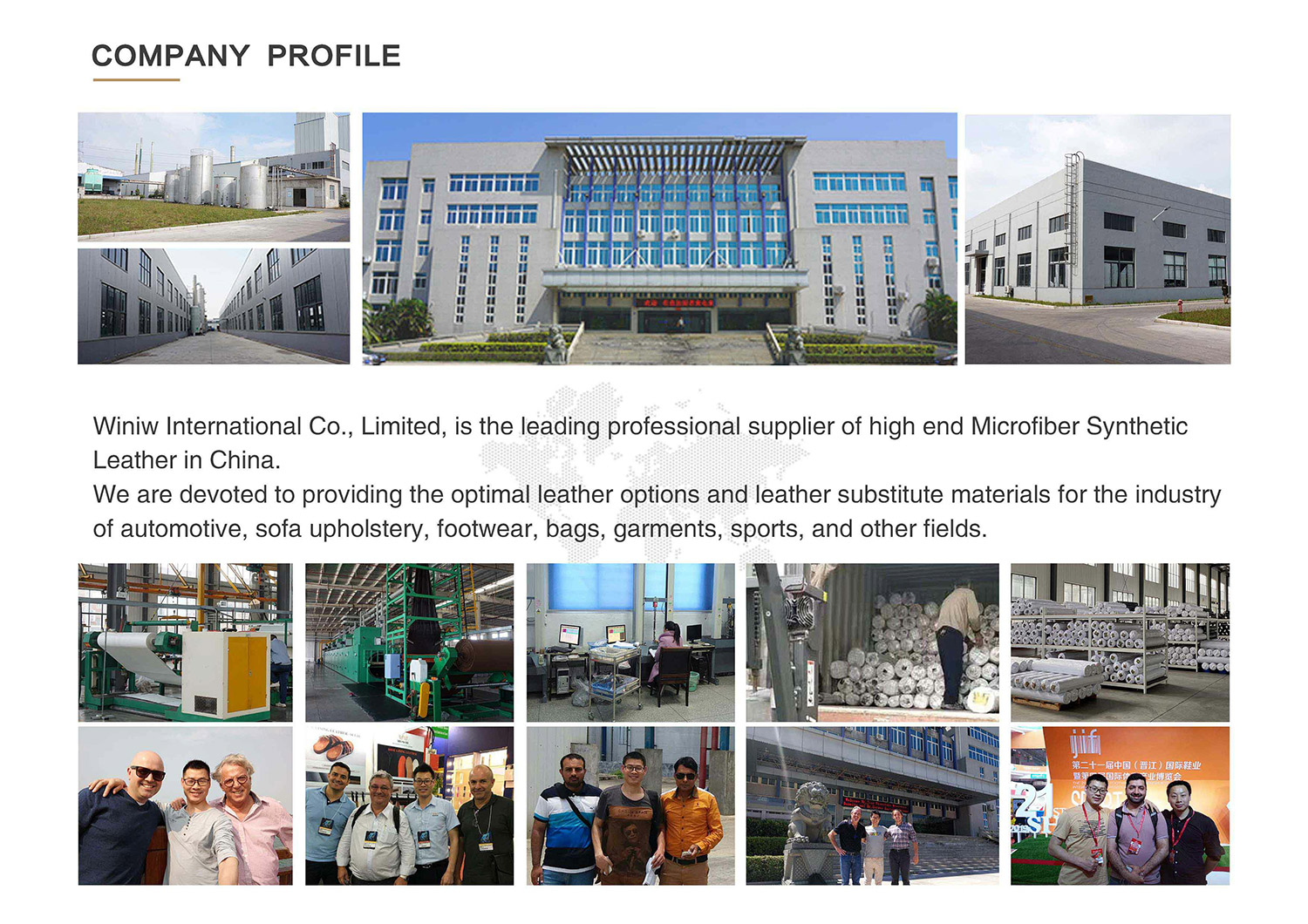
Вы выбираете веганская обивочная кожа потому что в них используются материалы растительного или синтетического происхождения. Рынок веганской кожи предлагает варианты, не связанные с жестоким обращением с животными, без использования шкур животных.
Веганскую кожу следует чистить влажной тканью. Избегайте агрессивных химикатов. Регулярный уход сохранит вашу обивку в первозданном виде и предотвратит растрескивание.
Веганская кожа подходит для повседневного использования. При правильном уходе она отличается хорошей износостойкостью. Варианты на растительной основе могут обладать улучшенной воздухопроницаемостью и уникальной текстурой.
Winiw International Co.,Ltd


Сканирование в wechat:




 Тель : +86 18150976625
 Отправить по электронной почте : Market@MicrofiberLeather.com