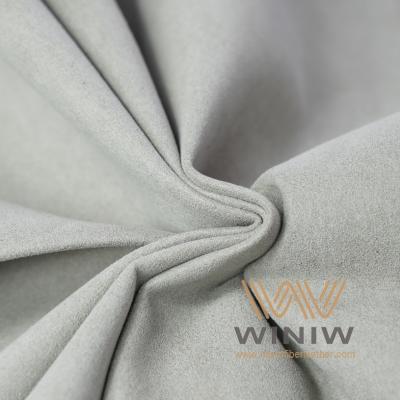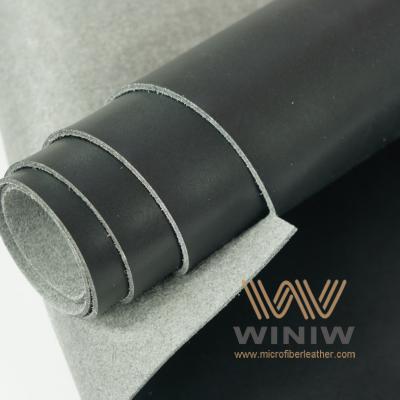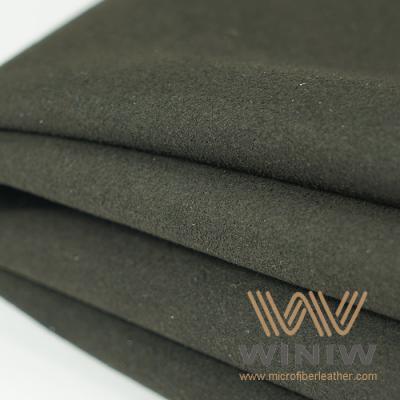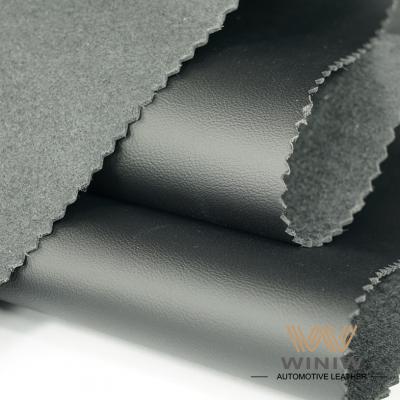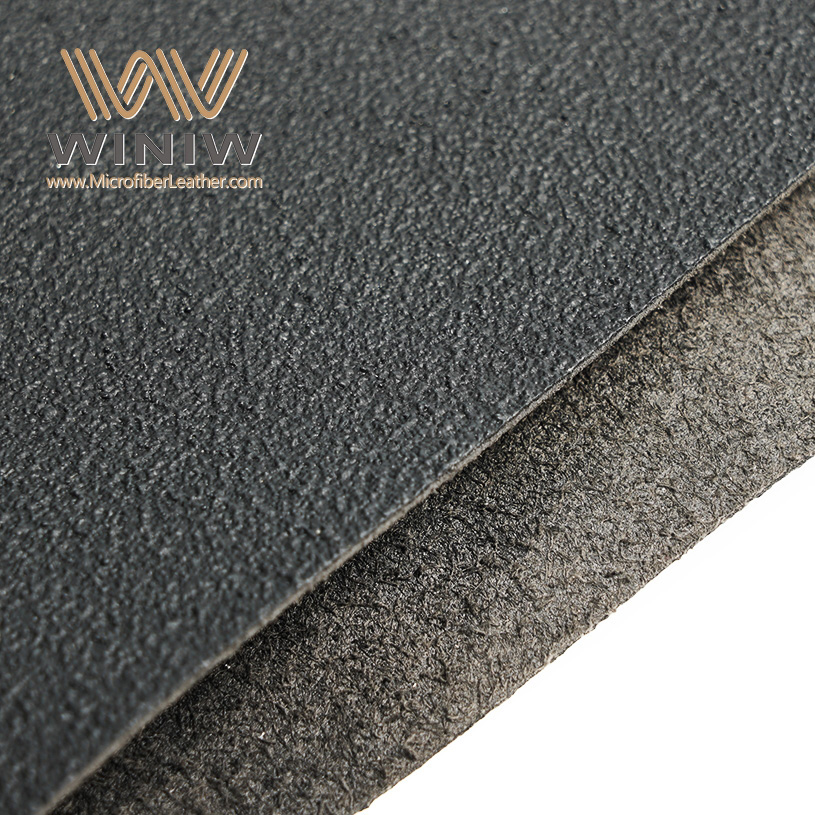
Часто можно встретить защитную обувь, изготовленную из стали, алюминия, композитных материалов, кожи, микрофибры, текстиля, резины, полиуретана и ЭВА. Производители используют сталь, алюминий или композитные материалы для защитных носков; кожу, микрофибру или текстиль для верха; резину, полиуретан или ЭВА для подошвы. Кожа обеспечивает долговечность, резина предотвращает скольжение, а пластик помогает снизить вес. Правильный выбор материала для защитной обуви помогает защитить ваши ноги, обеспечивает комфорт и продлевает срок службы обуви.
Выбирайте защитную обувь с учетом следующих требований: материал защитного носка правой ноги для вашей рабочей среды. Сталь обеспечивает максимальную защиту, а композитные материалы легче и не содержат металла, что особенно важно в зонах с металлодетекторами.
Отдавайте приоритет комфорту, выбирая обувь с амортизирующими стельками и гибким верхом. Это помогает снизить усталость при длительном пребывании на ногах.
Выбирайте дышащие материалы, такие как сетка или влагоотводящая подкладка, чтобы ваши ноги оставались сухими и прохладными, особенно в условиях работы в жаркую погоду.
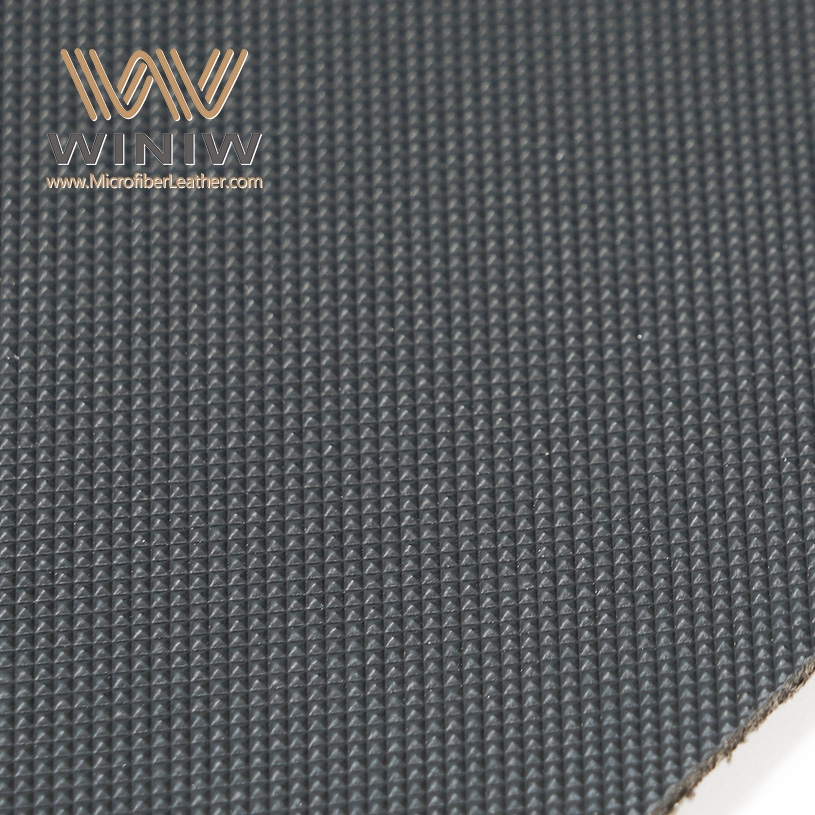
Защитный носок обуви предназначен для защиты от сильных ударов и сжатия. Наиболее распространенные материалы для защитных носков включают сталь, алюминий, композитные материалы и углеродное волокно. Каждый материал соответствует строгим стандартам безопасности, таким как ASTM F2413-18 MI/75 C/75 EH, что означает, что носок может выдерживать ударную нагрузку в 75 фут-фунтов и сжимающую нагрузку до 2500 фунтов.
Вот краткое сравнение основных материалов, используемых для изготовления мыска:
|
Тип материала |
Степень ударопрочности |
Сопротивление сжимающей нагрузке |
Масса |
Температура |
Металлодетектор |
Толщина профиля |
Цена |
Лучше всего подходит для |
|---|---|---|---|---|---|---|---|---|
|
Сталь |
I/75 |
2500 фунтов |
Самый тяжёлый |
Проводит |
Триггеры |
Тончайший |
Самый низкий |
Тяжелая промышленность |
|
Алюминий |
I/75 |
2500 фунтов |
Середина |
Проводит |
Триггеры |
Тонкий |
Середина |
Универсальное применение, меньший вес |
|
Композитный |
I/75 |
2500 фунтов |
Самый лёгкий |
Изолирует |
НЕ |
Самый толстый |
Высший |
Аэропорты, холод, одежда на весь день |
|
Углерод |
I/75 |
2500 фунтов |
Самый лёгкий |
Изолирует |
НЕ |
Тонкий |
Высший |
Высокотехнологичные, легкие потребности |
Совет: Если вы работаете в помещениях с металлодетекторами, композитные или карбоновые защитные носки помогут избежать ненужных срабатываний. Для максимальной защиты в тяжелой промышленности лучшим выбором остается обувь со стальным носком.
Верхняя часть защитной обуви фиксирует стопу и защищает ее от внешних опасностей. Наиболее распространенный вариант: материал для верха защитной обуви Включает кожу, микрофибру и текстиль. Каждый материал обладает уникальными преимуществами с точки зрения долговечности, гибкости и комфорта.
|
Материал |
Износостойкость |
Гибкость |
Водостойкость |
Воздухопроницаемость |
Примечания |
|---|---|---|---|---|---|
|
Кожа |
Высокий |
Умеренный |
Умеренный |
Умеренный |
Классический внешний вид, прочный, требует ухода. |
|
Микрофибра |
Очень высокий |
Высокий |
Низкий |
Высокий |
Легкий, легко моется, подходит для веганов. |
|
Текстиль |
Умеренный |
Очень высокий |
Низкий |
Отличный |
Дышащие, легкие, идеально подходят для комфорта. |
Вы можете выбрать кожу за её прочность и классический внешний вид. Микрофибра обеспечивает лёгкость, гибкость и легко чистится. Текстильный верх обеспечивает максимальную воздухопроницаемость, что делает их идеальными для жаркой погоды или длительного пребывания на ногах.
Подошва защитной обуви обеспечивает устойчивость и амортизацию ударов. В качестве основного материала для подошв защитной обуви производители используют резину, полиуретан (ПУ) и ЭВА (этиленвинилацетат). Каждый материал влияет на сопротивление скольжению, долговечность и комфорт.
Резиновая подошва обеспечивает превосходное сцепление и исключительную химическую стойкость. Она долговечна и хорошо подходит для скользких поверхностей.
Подошва из полиуретана обеспечивает превосходную амортизацию и умеренную износостойкость. Она кажется легче и гибче, чем резиновая.
Подошвы из ЭВА обеспечивают наилучшую амортизацию и мягкость, комфорт, но изнашиваются быстрее, чем резиновые или полиуретановые.
|
Материал подошвы |
Амортизация |
Химическая стойкость |
Долговечность |
|---|---|---|---|
|
Резина |
Хороший |
Отличный |
Высокий |
|
ПУ |
Начальство |
Хороший |
Умеренный |
|
ЕВА |
Отличный |
Хороший |
Низкий |
Примечание: Если вам необходимы противоскользящие свойства и долговечность, резиновая подошва — ваш лучший вариант. Для легкости и комфорта популярны полиуретановая и ЭВА подошвы.
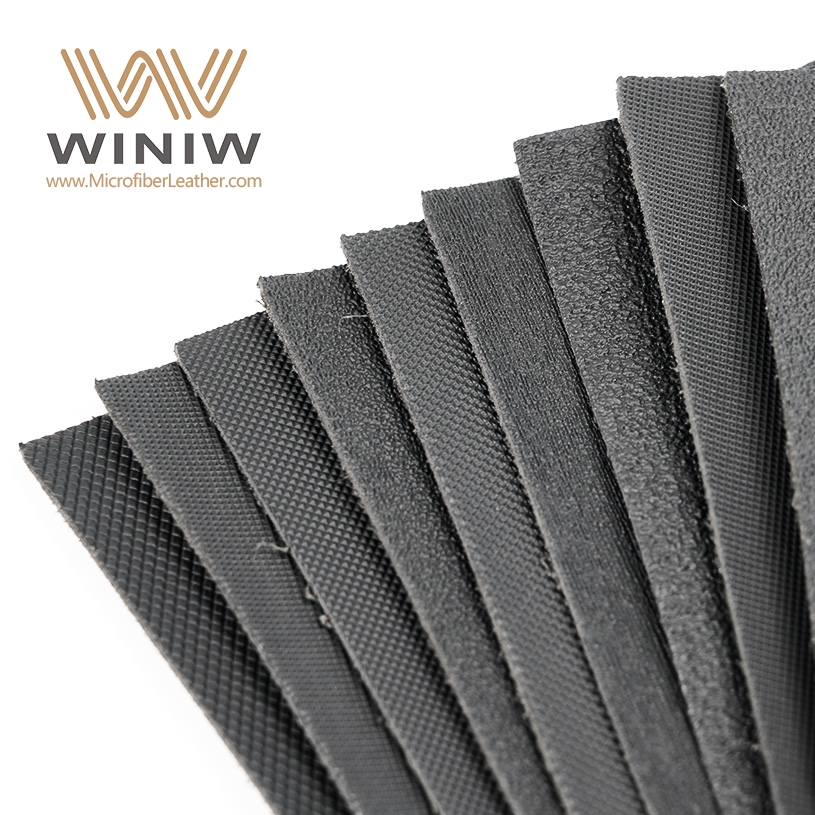
Внутренняя подкладка защитной обуви отводит влагу и повышает комфорт. Наиболее распространенные материалы для подкладки защитной обуви включают микрофибру, полиэстер, нейлон и сетку. Эти материалы отводят пот, сохраняют ноги сухими и помогают контролировать запах.
|
Материал |
Характеристики |
|---|---|
|
Микрофибра |
Дышащий, износостойкий, легкий, отводит влагу. |
|
Полиэстер |
Влагоотводящие свойства, сохраняют ноги сухими, повышают комфорт. |
|
Нейлон |
Легкий, прочный, может обрабатываться антибактериальными растворами. |
|
Сетка |
Обеспечивает воздухопроницаемость и вентиляцию, улучшает отвод влаги. |
Многие современные подкладки используют передовые технологии, чтобы ваши ноги оставались свежими и гигиеничными в течение всего дня. Некоторые подкладки обеспечивают постоянный контроль запаха, что делает вашу защитную обувь более комфортной при длительных сменах.
Стельки поддерживают свод стопы и смягчают шаги. Наиболее распространенные материалы для стелек в защитной обуви включают пену, гель, пробку и кожу. Каждый материал влияет на комфорт, поддержку и снижение усталости.
Стельки из пеноматериала обеспечивают превосходную поддержку и помогают поддерживать правильное положение стопы.
Гелевые стельки поглощают удары и очень мягкие на ощупь, что отлично подходит для тех, кто стоит или ходит весь день.
Пробковые стельки отталкивают воду и могут сочетаться с латексом для дополнительного комфорта.
Кожаные стельки служат долго и обеспечивают как поддержку, так и комфорт.
Также можно найти специализированные стельки, такие как с поддержкой свода стопы, из пеноматериала с эффектом памяти, ортопедические и термоформуемые. Эти варианты помогают равномерно распределять вес, снижают усталость и повышают комфорт при длительном ношении.
Помните: правильный выбор материала стельки может существенно повлиять на самочувствие ваших ног после долгого рабочего дня.
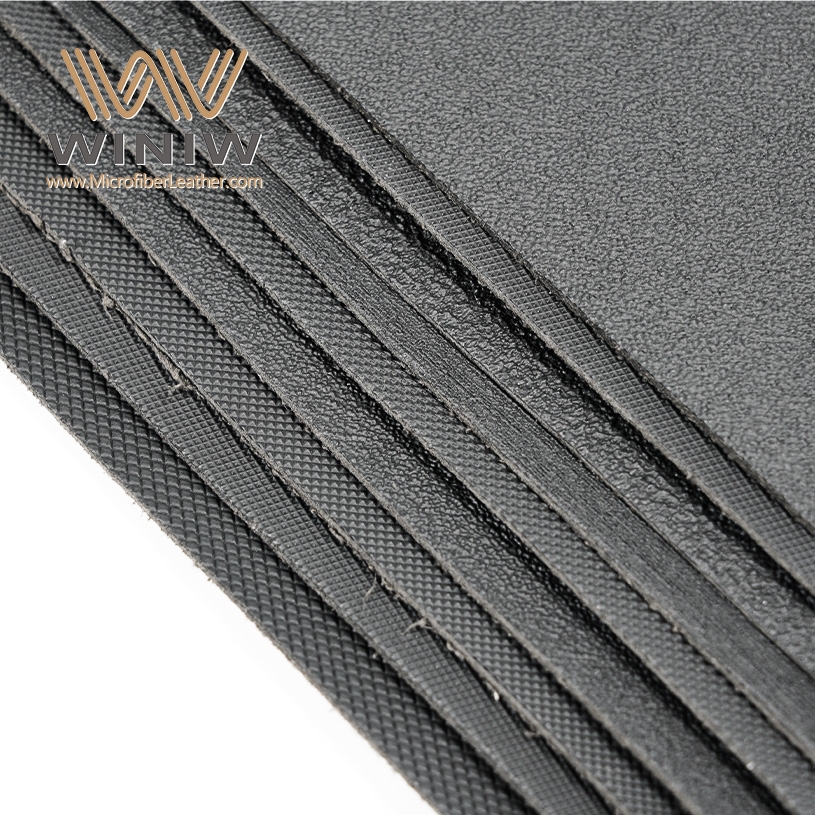
Защитная обувь необходима для защиты ног от опасностей на рабочем месте. Правильно подобранные материалы могут предотвратить серьезные травмы, обеспечивая ударопрочность, устойчивость к сжатию и защиту от острых предметов или электрического тока. Защитные носки из стали, алюминия и композитных материалов соответствуют строгим стандартам ударопрочности и устойчивости к сжатию. Например, эти материалы должны выдерживать усилие в 75 фунтов и защищать от сжимающей нагрузки в 2500 фунтов. Некоторые модели обуви имеют защиту плюсневой кости, чтобы снизить вероятность травмы верхней части стопы. Подошвы, устойчивые к проколам, используют металлические или неметаллические пластины, чтобы предотвратить проникновение острых предметов. Если вы работаете с электричеством, вам нужна обувь, устойчивая к поражению электрическим током. Такая обувь может изолировать напряжение до 18 000 вольт в течение одной минуты без утечки тока. Некоторые модели защитной обуви также обладают антистатическими свойствами, которые помогают предотвратить накопление статического электричества и снизить риск возгорания в легковоспламеняющихся средах.
Если вы работаете с тяжелой техникой, острыми инструментами или электрооборудованием, всегда проверяйте уровень безопасности вашей обуви. Правильный материал может стать решающим фактором между незначительным происшествием и серьезной травмой.
Основные защитные функции защитной обуви:
|
Защитная функция |
Описание |
|---|---|
|
Ударопрочность |
Выдерживает усилие в 75 фунтов; обеспечивает минимальную высоту внутреннего пространства. |
|
Сопротивление сжатию |
Выдерживает усилие в 2500 фунтов; такой же зазор, как и у ударопрочного материала. |
|
Защита плюсневых костей |
Снижает вероятность травм плюсневых костей. |
|
Проводящие свойства |
Снижает опасность, связанную со статическим электричеством и воспламенением химических веществ. |
|
Устойчивость к электрическому шоку |
Выдерживает напряжение 18 000 вольт при частоте 60 Гц в течение 1 минуты. |
|
Статический диссипативный |
Снижает риски, связанные с низкой износостойкостью обуви. |
|
Устойчивость к проколам |
Защищает от проникновения острых предметов в подошву. |
|
Устойчивость к порезам цепной пилой |
Защитные экраны от порезов бензопилой |
|
Диэлектрическая изоляция |
Обеспечивает изоляцию от электрических опасностей. |
Вы проводите много времени на ногах, поэтому комфорт так же важен, как и защита. Более мягкие и гибкие материалы, такие как стельки из пеноматериала и текстильный верх, снижают давление на стопы и помогают предотвратить усталость. Исследования показывают, что обувь с эластичным тканевым верхом и мягкой промежуточной подошвой наиболее удобна. Вы можете заметить, что мягкий замшевый или микрофибровый верх ощущается лучше, чем жесткая кожа, особенно если вы ходите или стоите весь день. Легкие материалы, такие как композитные носки и подошвы из ЭВА, также помогают уменьшить усталость ног. Меньший вес обуви означает, что вы можете двигаться свободнее и чувствовать себя комфортно во время длительных смен.
Обувь, оказывающая меньшее давление на верхнюю часть стопы, более удобна.
Эластичные ткани и мягкая промежуточная подошва повышают комфорт.
Легкие материалы снижают усталость и облегчают движения.
Если для вас важен комфорт в течение всего дня, выбирайте обувь с мягкой стелькой и гибким верхом.
Вы хотите, чтобы ваша защитная обувь прослужила долго, особенно если вы работаете в сложных условиях. Кожа отличается превосходной прочностью и устойчивостью к проколам и истиранию. Она часто служит дольше, чем другие материалы. синтетические материалы Это делает их разумным вложением средств для долгосрочного использования. Синтетические материалы верха, такие как микрофибра и текстиль, обеспечивают легкость и комфорт, но, как правило, быстрее изнашиваются и могут потребовать более частой замены. Что касается подошвы, резина обеспечивает высокую износостойкость и устойчивость к химическим веществам, в то время как полиуретан и ЭВА менее износостойки, но обеспечивают больший комфорт.
|
Материал |
Долговечность |
Продолжительность жизни |
|---|---|---|
|
Кожа |
Превосходный материал, устойчив к проколам и истиранию. |
Дольше служит, дольше, чем синтетические материалы. |
|
Синтетический |
Менее долговечный, быстрее изнашивается |
Короче, требует больше замен. |
Кожа выдерживает интенсивное использование и со временем принимает форму вашей стопы.
Синтетические материалы легче и дешевле, но могут прослужить не так долго.
Если вам нужна обувь, которая выдержит суровые условия, кожа — лучший выбор с точки зрения долговечности.
Для поддержания сухости и здоровья ног, особенно в жарких условиях, необходима дышащая обувь. Верх из сетки и текстиля обеспечивает циркуляцию воздуха, уменьшая потоотделение и помогая ногам оставаться прохладными. Хорошая вентиляция предотвращает накопление влаги, что снижает риск появления мозолей и грибковых инфекций. Кожа также обеспечивает воздухопроницаемость и может быть обработана водоотталкивающим составом, что делает ее универсальной для различных условий работы. Влагоотводящая подкладка, например, из микрофибры или полиэстера, отводит пот от кожи и помогает предотвратить проблемы с кожей.
Сетчатый верх улучшает циркуляцию воздуха и сохраняет ноги в прохладе.
Влагоотводящая подкладка уменьшает потоотделение и снижает риск образования мозолей.
Кожа обеспечивает баланс между воздухопроницаемостью и долговечностью.
Для рабочих мест с высокой температурой или влажностью отдавайте предпочтение обуви с сетчатым или текстильным верхом и влагоотводящей подкладкой.
В таблице ниже вы можете быстро сравнить основные преимущества и недостатки распространенных материалов для защитной обуви:
|
Тип материала |
Защита |
Комфорт |
Долговечность |
Воздухопроницаемость |
Примечания |
|---|---|---|---|---|---|
|
Стальной защитный носок |
Отличное качество (ударопрочность/сжатие) |
Тяжелый, менее гибкий |
Очень прочный |
Плохо проводит тепло/холод |
Срабатывает металлодетектор |
|
Алюминиевый защитный носок |
Хороший (по ударопрочности/сжатию) |
Легче стали |
Менее прочная, чем сталь. |
Плохо проводит тепло/холод |
Более дорого |
|
Композитный защитный носок |
Хороший (по ударопрочности/сжатию) |
Легкий, гибкий |
Может потерять прочность после удара |
Хороший (непроводящий) |
Не срабатывает на металлодетекторы |
|
Верх из кожи |
Отличное состояние (защита от проколов/истирания) |
Умеренный |
Очень прочный |
Хороший |
Более массивный, классический вид |
|
Верх из микрофибры |
Хороший |
Высокий |
Умеренный |
Высокий |
Легко моется, подходит для веганов. |
|
Текстильный верх |
Справедливый |
Очень высокий |
Менее долговечный |
Отличный |
Легкий, идеально подходит для жаркого климата. |
|
Резиновая подошва |
Отличное (скольжение/химическое воздействие) |
Хороший |
Высокий |
Умеренный |
Тяжелый, долговечный |
|
Подошва из полиуретана |
Хороший |
Начальство |
Умеренный |
Хороший |
Легкий, гибкий |
|
Подошва из ЭВА |
Справедливый |
Отличный |
Низкий |
Хороший |
Мягкие, быстро изнашиваются |
Используйте эту таблицу, чтобы подобрать материал защитной обуви, соответствующий вашей рабочей среде и личным потребностям.
В качестве основных материалов для защитной обуви используются сталь, композитные материалы, кожа и резина. Выбирайте обувь, исходя из опасностей на рабочем месте, комфорта и долговечности. В строительстве стальные носки защищают от ударов. В здравоохранении противоскользящие подошвы помогают предотвратить падения. Для достижения наилучших результатов всегда отдавайте приоритет удобству посадки, сертифицированной защите и долговечности.
Существует множество типов защитной обуви, таких как обувь со стальным носком, с композитным носком, водостойкая защитная обувь и обувь, устойчивая к воздействию химических веществ и брызг. Каждый тип защищает от различных опасностей на рабочем месте.
Водостойкая и противоскользящая обувь обеспечит вам большую безопасность. Такая защитная обувь сохранит ваши ноги сухими и поможет избежать риска поскользнуться на мокрых или маслянистых поверхностях.
Использование натуральной кожи в защитной обуви выгодно, поскольку она обеспечивает долговечность, комфорт и защиту. Эти материалы устойчивы к износу и помогают вашей защитной обуви прослужить дольше.
Winiw International Co.,Ltd


Сканирование в wechat:




 Тель : +86 18150976625
 Отправить по электронной почте : Market@MicrofiberLeather.com