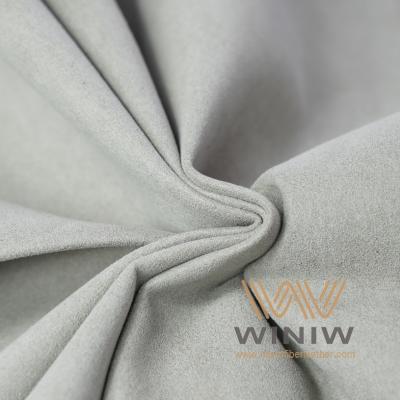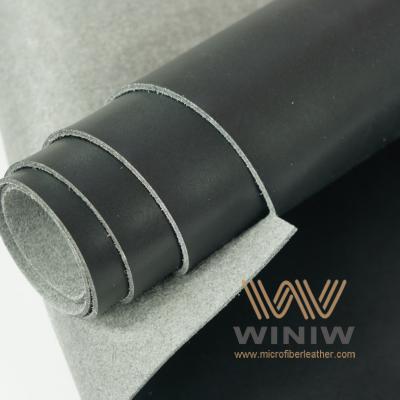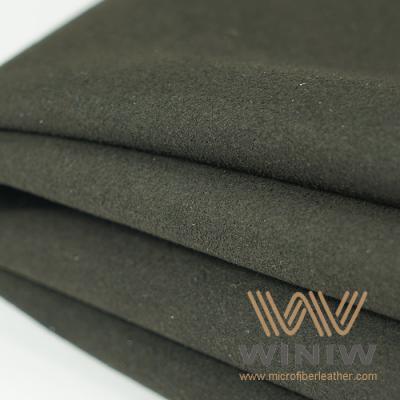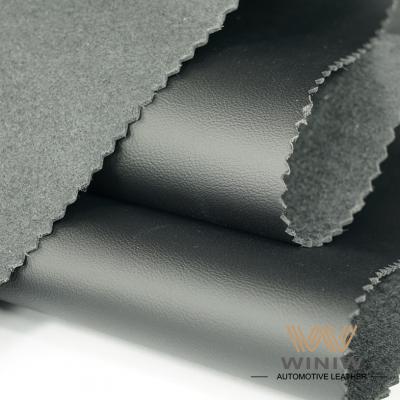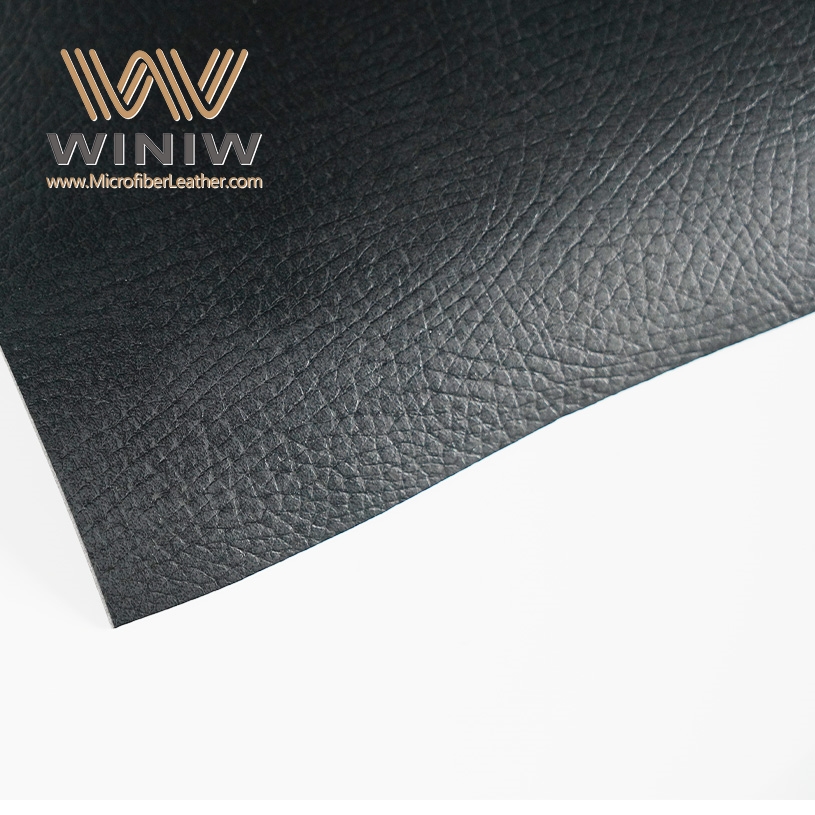
Понимаете нубук Нубук используется во многих современных туфлях, потому что он мягкий на ощупь и выглядит стильно. Гладкая поверхность нубука позволяет ногам дышать. Выбирая обувь из этого материала, вы получаете комфорт и ощущение премиум-класса.
Верх из нубука Обладает мягкой, бархатистой текстурой, которая повышает комфорт и воздухопроницаемость, что делает его идеальным для различной обуви.
Для обуви из нубука необходим регулярный уход; чистка щеткой и использование специальных чистящих средств помогут сохранить ее внешний вид и продлить срок службы.
Нубук более долговечен, чем замша, обеспечивает стильный вид и выдерживает ежедневный износ.
Вы можете заметить верх из нубука Нубук используется во многих моделях обуви премиум-класса. Нубук — это разновидность кожи высшего качества, отличающаяся прочностью и долговечностью. Производители создают нубук, шлифуя или полируя внешний слой шкуры животного, что придает ей мягкую, бархатистую поверхность. Этот процесс делает нубук толще и прочнее, чем другие виды кожи. Нубук впервые появился в XIX веке, его изготавливали из шкур диких оленей, лосей и косуль. Название происходит от слова «new buck» (новый олень), обозначающего шкуры молодых оленей. Сегодня нубук можно найти и из коровьей, овечьей и телячьей кожи. Его популярность возросла в 1930-х годах, когда герцог Виндзорский носил обувь из нубука, сделав его модным выбором.
Кончик: Нубук часто обладает водоотталкивающими свойствами, что помогает защитить обувь от небольшой влаги.
Нубук получают благодаря тщательно продуманному процессу:
Отбор высококачественных шкур, как правило, полученных от молодых коров, обеспечивает гладкую текстуру.
Очистка шкур от шерсти и загрязнений.
Дубление солями хрома для сохранения и стабилизации кожи.
Шлифовка внешней поверхности для создания характерной бархатистой текстуры.
Окрашивание кожи для придания ей нужного цвета и маскировки любых дефектов.
В завершение проводится обработка, повышающая водостойкость и защищающая от пятен.
Этот метод гарантирует, что нубук останется мягким, прочным и привлекательным.
Возможно, вас интересует, чем нубук отличается от замши и других видов кожи. Основное различие заключается в используемой части шкуры и процессе обработки. В нубуке используется внешняя поверхность, что делает его более прочным и износостойким. Замша изготавливается с внутренней стороны, которая на ощупь мягче, но менее прочна. В таблице ниже приведены основные различия:
|
Особенность |
Нубук |
Замша |
|---|---|---|
|
Текстура |
Тонкие, короткие, бархатистые |
Мягкий, пушистый, мягкий |
|
Долговечность |
Более прочный, более толстый |
Менее прочный, тоньше |
|
Обслуживание |
Требует регулярного ухода |
Проще в обслуживании |
Нубук обеспечивает более плотную и структурированную поверхность. Замша мягче на ощупь, но требует большей защиты от повреждений. Натуральная кожа, еще один вариант, сохраняет естественную текстуру и еще прочнее, но ей не хватает бархатистой отделки нубука.
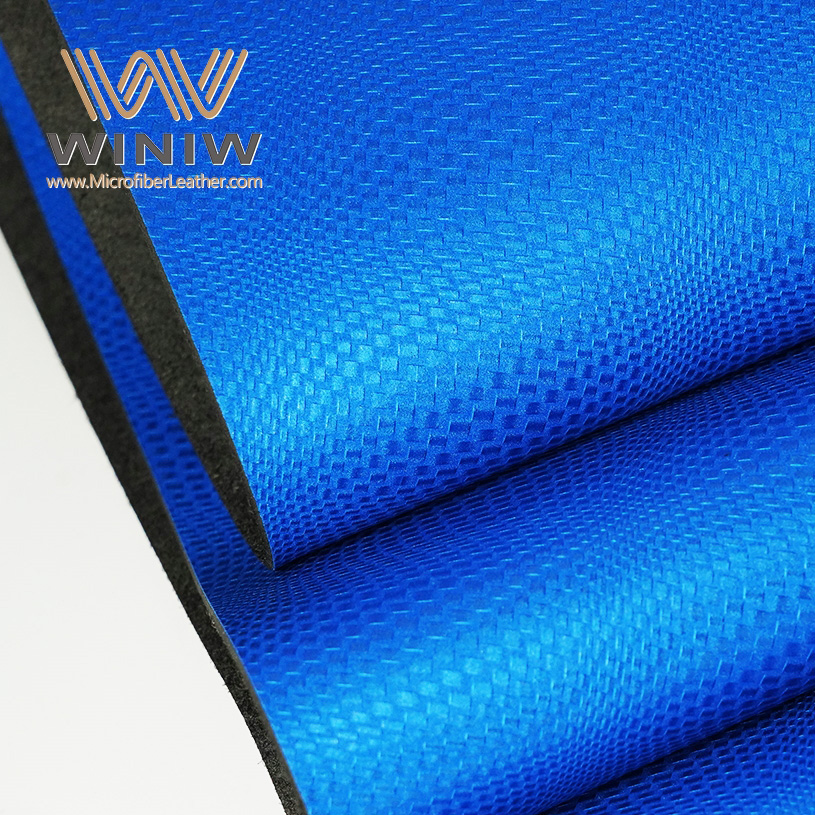
При осмотре верха из нубука вы заметите несколько отличительных особенностей. Самая очевидная — это его мягкая, бархатистая текстура. Она достигается в процессе шлифовки, который расщепляет белковые волокна и создает мягкую поверхность. Вы почувствуете разницу, как только прикоснетесь к обуви из этого материала. К характеристикам нубука также относится превосходная воздухопроницаемость. Пористая структура позволяет воздуху циркулировать, поэтому ваши ноги будут чувствовать себя комфортно даже в течение долгого дня. Исследования в области материаловедения показывают, что нубук более воздухопроницаем, чем многие синтетические материалы и другие виды кожи. Это делает его разумным выбором для людей, которые хотят, чтобы их обувь оставалась свежей в разных климатических условиях.
Верх из нубука также отличается стильным внешним видом. Поверхность выглядит изысканной и элегантной, что придает любой паре обуви премиальный вид. Кроме того, нубук отличается долговечностью. Он лучше выдерживает ежедневный износ, чем замша, поскольку изготавливается из внешнего слоя кожи. В таблице ниже сравнивается износостойкость нубука с другими видами кожи:
|
Тип кожи |
Предел прочности на растяжение (МПа) |
Долговечность (гибкость) |
|---|---|---|
|
Натуральная кожа высшего качества |
Н/Д |
Более 100 000 флексов |
|
Нубук |
15-25 |
Н/Д |
|
Замша |
10-15 |
Н/Д |
Как видите, нубук обладает большей прочностью на разрыв, чем замша, а это значит, что ваша обувь прослужит дольше и выдержит большие нагрузки.
Примечание: Благодаря своим характеристикам нубук делает его отличным выбором для тех, кто ценит комфорт и стиль в своей обуви.
Вы найдете верх из нубука во многих видах обуви. Дизайнеры используют этот материал для высококачественных кроссовок, повседневной обуви и классических туфель. Его также можно встретить в ботинках, особенно предназначенных для активного отдыха. В альпинистских ботинках часто используется нубук, поскольку он сочетает в себе прочность и комфорт. В таких ботинках можно ходить по пересеченной местности или по городским улицам, и они при этом будут выглядеть стильно и дорого.
Вот несколько распространенных способов использования нубука в обуви:
Элитные кроссовки для повседневной носки
Классические туфли для торжественных случаев
Повседневная обувь для непринужденной обстановки
Ботинки для пеших походов, треккинга и альпинизма.
Альпинистские ботинки, разработанные для суровых условий.
Рабочие ботинки, сочетающие в себе прочность и комфорт.
В качестве яркого примера можно привести альпинистские ботинки. Они обеспечивают поддержку, воздухопроницаемость и стильный внешний вид — всё в одном. Многие производители выбирают нубук для этих ботинок, потому что он более устойчив к истиранию и лучше отводит влагу, чем замша.
Выбирая обувь с верх из нубука Благодаря воздухопроницаемости ваши ноги остаются прохладными и сухими, что важно в течение долгих дней или при активном использовании. Мягкость обеспечивает комфорт с первого же ношения, и обувь требует меньше времени на разнашивание, чем другие виды кожи. Стильный внешний вид поможет вам выделиться, независимо от того, носите ли вы кроссовки, туфли или ботинки.
Производители отдают предпочтение нубуку, потому что он обеспечивает баланс прочности и элегантности. Вы получаете обувь, которая хорошо выглядит и служит дольше. Потребители, такие как вы, выбирают нубук за его уникальные тактильные ощущения и премиальный внешний вид. Альпинистские ботинки с верхом из нубука дают вам уверенность в преодолении сложной местности без ущерба для комфорта. Вы можете быть уверены, что эти ботинки защитят ваши ноги и обеспечат им комфорт даже в сложных условиях.
Пористая структура нубука обеспечивает превосходную воздухопроницаемость, сохраняя комфорт для ног в различных климатических условиях.
Мягкая поверхность приятна на ощупь, снижая риск образования волдырей.
Материал хорошо впитывает краску, поэтому ваша обувь будет иметь насыщенные и стойкие цвета.
Вы можете положиться на нубуковый верх, который сочетает в себе функциональность и стиль. Независимо от того, нужны ли вам ботинки для походов, обувь для работы или кроссовки для повседневной носки, этот материал справится со всеми задачами.
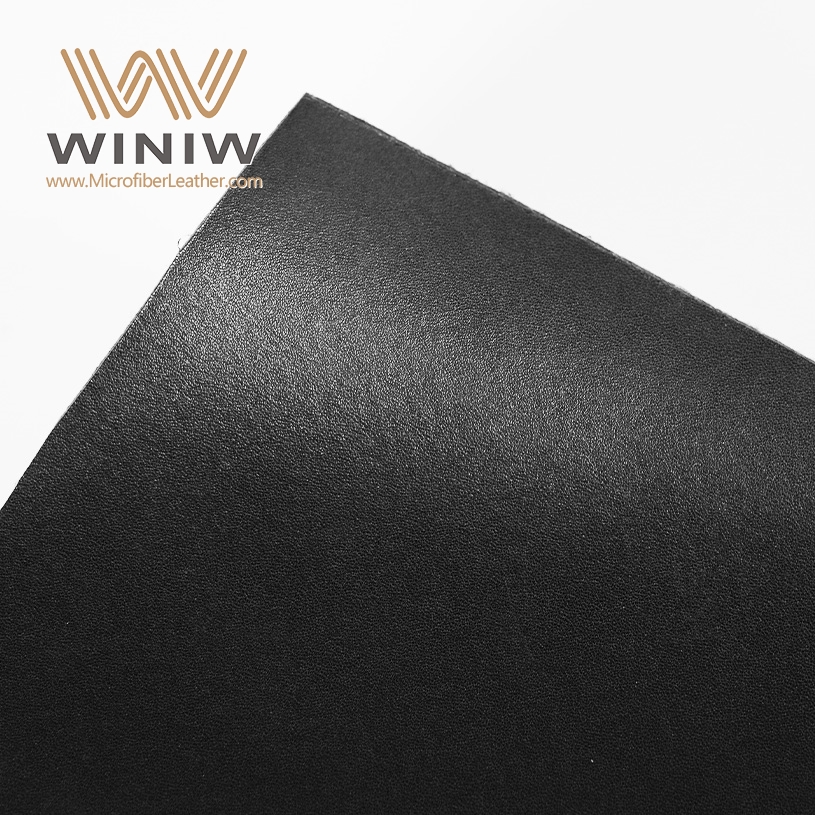
Вам нужно правильный уход за нубуком Чтобы ваша обувь всегда выглядела наилучшим образом, нубук требует больше внимания, чем другие виды кожи, но вы можете поддерживать его внешний вид, выполняя несколько простых шагов:
Смахните рыхлую грязь щеткой для нубука или замши. Это сохранит ворс свежим и предотвратит его скопление.
Для удаления легких пятен используйте ластик из нубука или чистый белый ластик от карандаша. Аккуратно потрите, чтобы удалить пятна, не повреждая поверхность.
Для удаления стойких пятен смочите влажную ткань белым уксусом или спиртом и аккуратно обработайте загрязненный участок.
Чтобы избежать выцветания или изменения цвета, дайте обуви высохнуть в хорошо проветриваемом месте, вдали от прямых солнечных лучей.
В завершение еще раз протрите поверхность щеткой, чтобы восстановить бархатистую текстуру.
Кончик: Чистите обувь из нубука всякий раз, когда она загрязняется или покрывается пятнами. В зависимости от того, как часто вы носите обувь, рекомендуется проводить тщательную чистку каждые несколько месяцев.
Вы также можете использовать специализированные продукты Для чистки, ухода и защиты нубука. Вот краткое руководство:
|
Название продукта |
Цель |
Цена |
|---|---|---|
|
Набор для чистки замши/шероховатости кожи |
Чистый |
13,99 долларов |
|
Крем для кожи |
Состояние |
11,99 долларов |
|
Защитный чехол для кожи |
Защищать |
14,99 долларов |
|
Салфетки для ухода за обувью |
Многоцелевое использование |
9,99 долларов |
Нубук сочетает в себе стиль и комфорт, но перед выбором обуви из этого материала следует знать о его недостатках. Материал очень восприимчив к пятнам и загрязнениям. Жидкости, масла и грязь могут быстро изменить его цвет и текстуру. Нубук легко впитывает влагу, что может привести к появлению водяных пятен или разводов. Для предотвращения скопления грязи в ворсе необходима регулярная чистка щеткой.
Вы можете заметить, что нубук царапается легче, чем другие виды кожи. Легкие царапины часто можно удалить щеткой, но более глубокие следы могут остаться. Солнечный свет может вызвать выцветание или неравномерность цвета. По сравнению с натуральной кожей, нубук имеет более короткий срок службы, обычно 5–10 лет при надлежащем уходе. Если вы хотите обувь, требующую меньшего ухода, вы можете рассмотреть другие материалы.
Примечание: Нубук требует регулярного ухода, чтобы сохранить свой привлекательный вид. Если вы предпочитаете обувь, не требующую особого ухода, возможно, вам стоит рассмотреть другие варианты.
Выбирая нубук для обуви, вы получаете долговечность, стиль и комфорт. Ознакомьтесь с таблицей ниже, чтобы определить, подходит ли вам этот материал:
|
Фактор пригодности |
Описание |
|---|---|
|
Обслуживание |
Требует регулярной чистки и защиты. |
|
Образ жизни |
Отлично подходит для активного отдыха или использования на открытом воздухе. |
|
Появление |
Придает изысканный, элегантный вид. |

Верх из нубука Обладает устойчивостью к лёгкой влаге, но не обеспечивает полной водонепроницаемости. Для достижения лучших результатов во влажных условиях следует использовать водоотталкивающий спрей.
После каждой носки обувь из нубука следует чистить щеткой. Глубокая чистка каждые несколько месяцев позволит сохранить ее в первозданном виде и продлит срок службы.
Обувь из нубука можно носить в небольшой дождь, если обработать её защитным средством. Сильный дождь может оставить пятна или следы от воды, поэтому будьте особенно осторожны.
Winiw International Co.,Ltd


Сканирование в wechat:




 Тель : +86 18150976625
 Отправить по электронной почте : Market@MicrofiberLeather.com