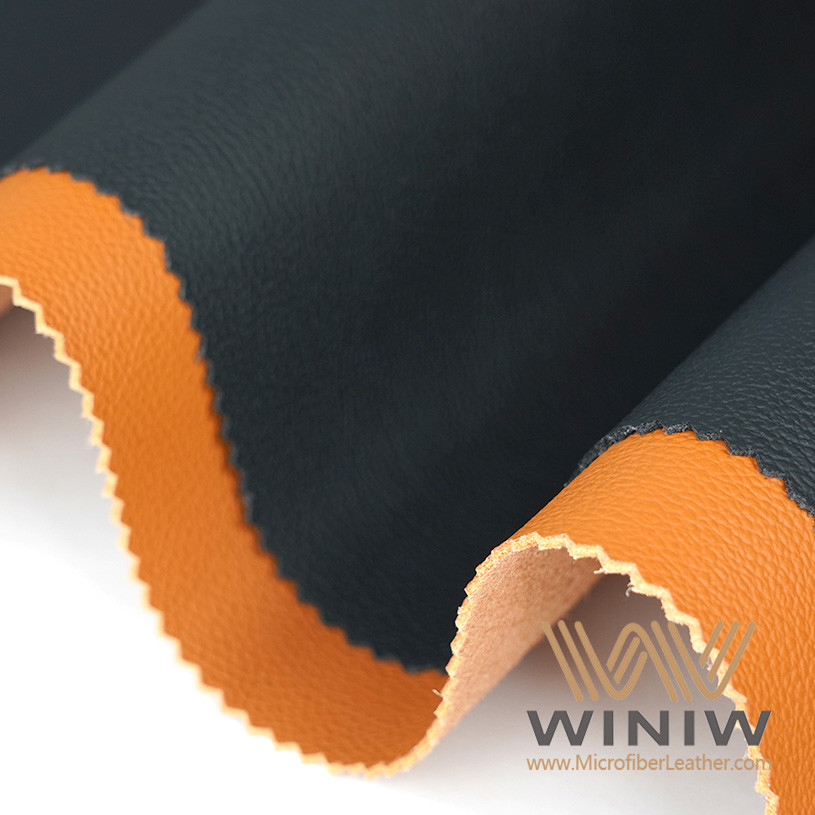
Вы можете подумать, что кожа легко загорается, но это распространенное заблуждение. Кожа не огнеупорна, но обладает естественной устойчивостью к огню. Огнестойкая кожа выдерживает высокую температуру и пламя лучше, чем многие другие ткани. Вот краткое сравнение, которое поможет вам понять:
|
Тип |
Продолжительность огнестойкости |
Справочник стандартов |
|---|---|---|
|
Огнестойкий |
Не менее 30 минут |
Класс огнестойкости F30 |
|
Огнестойкий |
Не менее 90 минут |
Класс огнестойкости F90 |
Знание разницы помогает принимать более безопасные решения. продукты Вы используете это каждый день.
Кожа не является огнеупорной, но обладает естественной огнестойкостью благодаря содержанию коллагена и защитных масел.
Выбирайте натуральную кожу вместо синтетические опционы Это обеспечивает большую безопасность, поскольку кожа обугливается, а не плавится при воздействии пламени.
Применение огнезащитных средств может повысить огнестойкость кожи, что даст вам больше времени для реагирования в случае пожара.
Возможно, вы задаетесь вопросом, почему. огнестойкая кожа Кожа выделяется среди других материалов. Ответ кроется в ее природном составе. Кожа изготавливается из шкур животных, содержащих большое количество коллагена. Коллаген — это белок, который устойчив к воспламенению и горит только при высоких температурах. Натуральные масла в коже также играют ключевую роль. Эти масла создают барьер, замедляющий распространение пламени и дающий больше времени для реагирования в случае пожара.
Основной компонент кожи, коллаген, устойчив к возгоранию и горит при высоких температурах.
Натуральные масла в коже образуют защитный барьер от огня.
При воздействии огня на кожу образуется обугленный слой, который ограничивает доступ кислорода и защищает внутренние слои.
Благодаря своей уникальной структуре огнестойкая кожа является надежным выбором, когда вам необходимы огнестойкие материалы для обеспечения безопасности.
Огнестойкость кожи можно оценить, сравнив её с другими натуральными волокнами. Натуральная кожа имеет более высокую температуру воспламенения, чем такие материалы, как хлопок или шерсть. Например, кожа начинает гореть при температуре около 392°C (738°F), в то время как хлопок и шерсть воспламеняются при гораздо более низких температурах. Это означает, что огнестойкая кожа обеспечивает лучшую защиту в ситуациях, когда существует опасность воздействия тепла или пламени.
|
Материал |
Температура воспламенения (°C) |
Температура воспламенения (°F) |
|---|---|---|
|
Натуральная кожа |
392 |
738 |
|
Растительного дубления |
288 |
550 |
|
Хлопок |
Ниже, чем кожа |
Ниже, чем кожа |
|
Шерсть |
Ниже, чем кожа |
Ниже, чем кожа |
Вы заметите, что огнестойкие материалы, такие как кожа, не плавятся и не капают при воздействии тепла. Вместо этого они обугливаются и затвердевают, что помогает предотвратить быстрое распространение огня. Это огнестойкость делает кожу предпочтительным материалом для защитной экипировки и обивки мебели.
При воздействии открытого пламени на огнестойкую кожу она не загорается сразу. Вместо этого она медленно обугливается, темнеет и затвердевает, не превращаясь мгновенно в пепел. Запах горящей кожи похож на запах горелых волос, поскольку и то, и другое содержит органические белки. По мере обугливания кожа теряет гибкость и прочность, но не плавится и не выделяет опасных паров, как многие синтетические материалы.
Кончик: Если вам нужны огнестойкие материалы для обеспечения безопасности, выбирайте натуральную кожу вместо синтетических материалов. Огнестойкость кожи означает, что она обуглится, и у вас будет больше времени на принятие мер, в то время как синтетические материалы могут быстро расплавиться или сгореть.
Распространенный миф гласит, что кожа легко загорается. В действительности, огнестойкая кожа редко воспламеняется. Процесс дубления не делает кожу более легковоспламеняемой. На самом деле, он может улучшить огнестойкость материала. Это делает огнестойкую кожу разумным выбором для тех, кто ценит безопасность и долговечность.
Возможно, вас интересует, как работают огнезащитные обработки кожи. В этих обработках используются огнезащитные химические вещества, такие как соединения фосфора и вещества на основе бора. Часто их наносят распылением, замачиванием или погружением кожи. Некоторые производители добавляют огнезащитные вещества в процессе дубления, что может повысить огнестойкость высококачественной кожи. Также огнезащитные средства могут наноситься в виде спрея, краски или эмульсии на обратную сторону кожи. Эти огнезащитные обработки помогают замедлить воспламенение и дают вам больше времени для реагирования в случае пожара.
Обработанная кожа обеспечивает лучшую защиту, чем необработанная. Огнезащитная обработка может значительно увеличить время, необходимое для воспламенения кожи. Если сравнить воспламеняемость кожи, то можно увидеть, что обработанная кожа обугливается и скручивается, в то время как синтетические варианты, такие как искусственная кожа (ПУ). Плавление и капание. В таблице ниже показано, как различные материалы реагируют на огонь:
|
Особенность |
Натуральная кожа |
||
|---|---|---|---|
|
Базовый материал |
Животный белок |
Полиуретановый пластик |
Виниловый пластик |
|
Реакция на пламя |
Уголь и завитки |
Плавится и капает |
Размягчает и обугливает |
|
Скорость зажигания |
Очень медленно |
Быстрый |
Умеренный |
|
Естественная безопасность |
Высокий |
Низкий |
Умеренный |
Когда вы спрашиваете: «Горючая ли кожа?», следует знать, что натуральная кожа лучше противостоит возгоранию, чем большинство синтетических материалов. Воспламеняемость кожи ниже, чем у полиуретана или ПВХ. Синтетическая кожа может обладать лучшей износостойкостью и защитой от пятен, но она может плавиться и выделять токсичные пары, создавая пожарную опасность. Также необходимо учитывать уход и обслуживание. Правильный уход за кожей, включающий чистку и обработку кондиционером, помогает поддерживать ее огнестойкость. Применение огнезащитных средств и избегание прямого воздействия пламени могут продлить срок службы огнестойких изделий. Для наилучшей защиты всегда проверяйте воспламеняемость кожи и выбирайте огнезащитные средства для обеспечения безопасности.
Кожа обладает естественной огнестойкостью благодаря своей плотной белковой структуре, но обработка может повысить её защиту. При выборе кожаных изделий проверяйте наличие сертификатов и учитывайте следующие факторы:
|
Фактор |
Почему это важно |
|---|---|
|
Стандарты огнестойкости |
Обеспечивает надежную пожарную безопасность. |
|
Состав материалов |
Влияет на долговечность и комфорт. |
Кожа по-прежнему остается одним из лучших вариантов с точки зрения пожарной безопасности.
Нет, натуральная кожа не огнестойка. Она обладает естественной устойчивостью к огню, но всё же может загореться при длительном воздействии высоких температур.
Да! На кожу можно наносить огнезащитные составы. Эти составы помогают замедлить воспламенение и повысить общую огнестойкость материала.
Искусственная кожа обычно плавится или сгорает быстрее, чем натуральная. Для большей огнестойкости и безопасности следует выбирать натуральную кожу.
Winiw International Co.,Ltd


Сканирование в wechat:




 Тель : +86 18150976625
 Отправить по электронной почте : Market@MicrofiberLeather.com