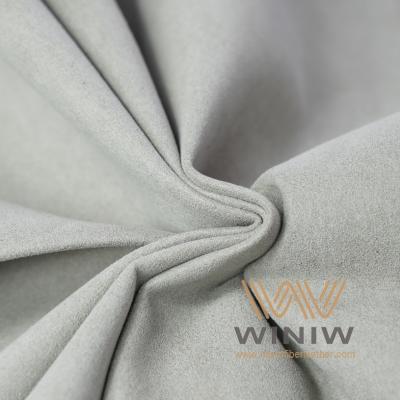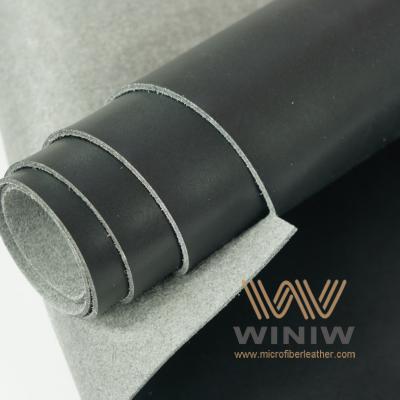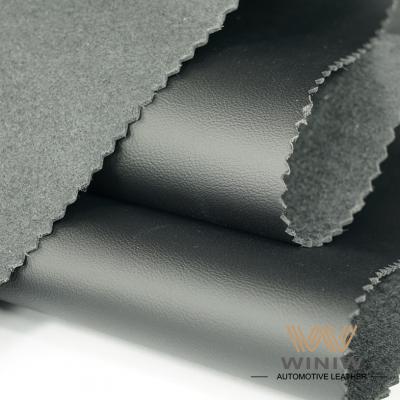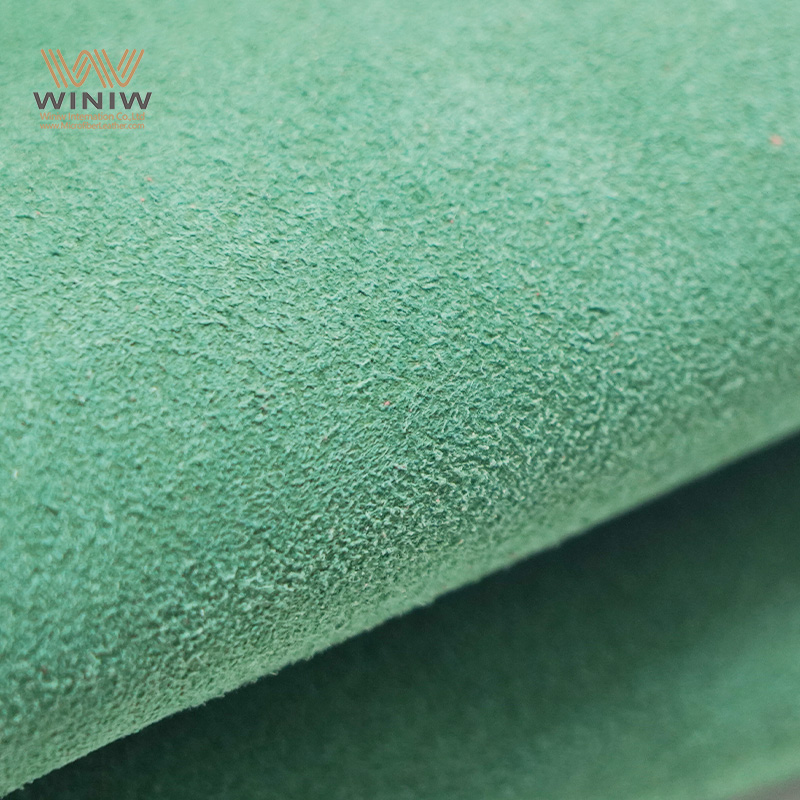
Зелёная кожаная ткань производит фурор в моде и дизайне интерьера, сочетая экологичность производства с яркими цветами и роскошью. Экологичные методы включают в себя низкое воздействие на окружающую среду, использование натуральных материалов и сокращение отходов:
|
Устойчивые методы производства кожи |
Описание |
|---|---|
|
Низкое воздействие на окружающую среду |
Использует методы и процессы, минимизирующие вред окружающей среде. |
|
Натуральные материалы |
Включает в себя материалы, не наносящие вреда экосистеме. |
|
Избегание вредных химических веществ |
Гарантирует, что токсичные вещества не используются в производстве. |
|
Сокращение отходов |
Основное внимание уделяется минимизации отходов в процессе производства. |
|
Регенеративные фермы |
Поставляется с ферм, практикующих регенеративное сельское хозяйство. |
|
Переработка кожаных отходов |
Использует остатки материалов от предыдущего производства кожи. |
Вы получаете преимущества долговечности, экологичности и стиля, поддерживая при этом экологичность и наслаждаясь ощущением роскоши.
Зеленая кожаная ткань сочетает в себе роскошь и экологичность, что делает его стильным выбором для моды и интерьеров.
Выбирайте сертифицированную зеленую кожу продукты для поддержки экологически чистых практик и ответственного производства.
Правильный уход продлевает срок службы изделий из зеленой кожи, гарантируя, что они останутся прочными и красивыми на долгие годы.
Зелёная кожа – это современный материал, сочетающий в себе стиль, комфорт и экологичность. Вы можете найти её как в натуральном, так и в искусственном виде, каждый из которых обладает уникальными преимуществами. Натуральная зелёная кожа производится из шкур животных, в то время как поддельные варианты Используются синтетические или растительные материалы. Оба типа могут иметь фирменный зелёный цвет, который придаёт любому изделию свежий и современный вид.
Вы можете выбрать из широкого ассортимента зелёной кожи. Каждый тип отличается качеством и отделкой:
Анилин
Бедствие
Полное зерно
Тисненый
Итальянская кожа
Наппа
Кожа с эффектом гальки
Пигментированный
Остановить
Полуанилин
Зеленая обивочная ткань из искусственной кожи
Производители используют инновационные методы, чтобы сделать эти ткани более экологичными. Наиболее распространёнными подходами являются более экологичная химия, устойчивые методы производства и переработка кожи. В таблице ниже представлены некоторые из наиболее важных экологичных методов производства:
|
Метод |
Описание |
|---|---|
|
Более зеленая химия |
Использует более эффективные химикаты, которые сокращают количество вредных веществ и улучшают воздействие на окружающую среду. |
|
Устойчивые практики |
Включает правовые ограничения и добровольные инициативы, направленные на устранение вредных веществ. |
|
Переработка кожи |
Кожу можно перерабатывать в новые материалы, что сокращает отходы и способствует устойчивому развитию. |
Зелёная химия фокусируется на использовании эффективных химических веществ, минимизирующих вред для окружающей среды. Производители часто используют кондиционеры в меньших количествах и окрашивают ткани при более низких температурах, что экономит энергию. Вы получаете выгоду от этих достижений, поскольку они снижают загрязнение окружающей среды и экономят ресурсы.
Сравнивая природную кожу с обычной, вы сразу видите её экологические преимущества. Растительные альтернативы оказывают гораздо меньшее воздействие на окружающую среду. Традиционное производство кожи приводит к высоким выбросам парниковых газов, вырубке лесов и химическому загрязнению. Например, углеродный след коровьей кожи составляет около 110 кг CO2-эквивалента на квадратный метр, в то время как синтетическая кожа производит всего 15,8 кг CO2-эквивалента на квадратный метр. Производство одной сумки-тоут из коровьей кожи потребляет более 17 000 литров воды. Большая часть кожи дубится вредными химикатами, которые загрязняют водные источники, особенно в странах с менее строгим регулированием. Веганская кожа, включая варианты на основе пластика и растительного происхождения, потребляет меньше воды и земли и имеет меньший углеродный след.
Вы также заметите, что экокожаные ткани часто соответствуют строгим экологическим стандартам. Изделия могут иметь сертификаты OEKO-TEX® Made in Green или Leather Working Group (LWG), которые гарантируют ответственное производство и справедливые условия труда.
|
Сертификация |
Описание |
|---|---|
|
OEKO-TEX® Сделано в зеленом цвете |
Гарантирует, что продукция производится экологически устойчивым образом на социально ответственных рабочих местах, проверяется на наличие вредных веществ и способствует справедливым условиям труда. |
|
Рабочая группа по коже (LWG) |
Оценивает соблюдение экологических норм, социальную ответственность и эффективность работы кожевенного завода, требуя регулярного продления сертификации. |
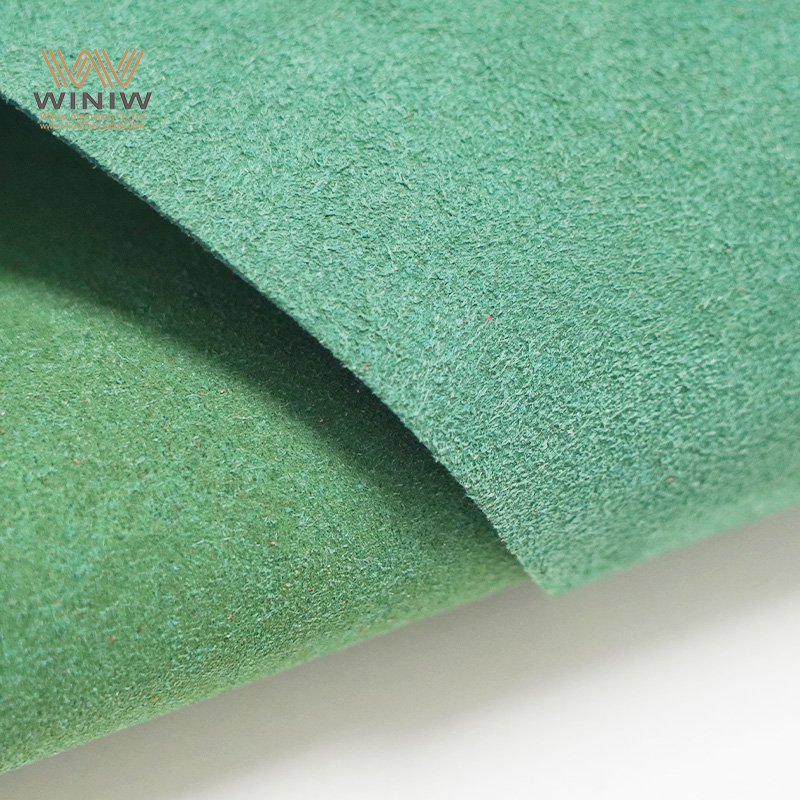
При каждом прикосновении к зелёной коже ощущается роскошная текстура и ощущение. Гладкая, полированная и мягкая поверхность дарит комфорт и элегантность. Зелёный цвет создаёт освежающий и современный образ, идеально подходящий как для повседневной, так и для официальной обстановки. Со временем кожаные изделия приобретают уникальный характер, что делает их ещё красивее и привлекательнее.
Кожа выделяется своим богатым и роскошным внешним видом. Её можно встретить в различных вариантах дубления и обработки, что позволяет создать индивидуальный стиль. Благодаря тактильной мягкости и яркому цвету зелёная кожаная ткань — универсальный выбор для одежды и интерьера.
Многие потребители теперь предпочитают экологичные кожаные альтернативы. Покупатели, заботящиеся об устойчивом развитии, ищут материалы с меньшим воздействием на окружающую среду. Модные бренды экспериментируют с биоматериалами, чтобы выделиться и соответствовать экологическим стандартам. Производители автомобилей и предметов интерьера ищут новые экологичные варианты обивки.
Совет: Наслаждайтесь преимуществами экологичной кожи, не жертвуя стилем и комфортом. Выбирайте сертифицированную продукцию, чтобы поддерживать принципы устойчивого развития и ответственного производства.
Вы полагаетесь на зеленая кожаная ткань Благодаря своей впечатляющей долговечности. Этот материал выдерживает ежедневный износ, что делает его разумным выбором для мебели, сумок и одежды. Производители тестируют прочность и долговечность в лабораторных условиях и реальных условиях. Эти испытания включают испытания на падение, устойчивость к царапинам, химическую стойкость и стойкость цвета под воздействием ультрафиолета. В таблице ниже представлены результаты испытаний экокожи:
|
Тип теста |
Описание результата |
|---|---|
|
Испытание на падение |
Демонстрирует прочность при ударах. |
|
Испытание на твердость к царапинам |
Демонстрирует устойчивость к царапинам. |
|
Тест на хранение |
Доказывает долговечность при хранении. |
|
Испытание на химическую стойкость |
Проявляет устойчивость к различным химическим веществам. |
|
Тест на устойчивость цвета к УФ-излучению |
Демонстрирует устойчивость к выцветанию под воздействием УФ-излучения. |
|
Тест на искусственное потоотделение |
Обладает устойчивостью к поту. |
|
Испытание на воздействие высоких/низких температур |
Доказывает стойкость к перепадам температур. |
|
Тест на влажность |
Обладает устойчивостью к влаге. |
|
Испытание на стойкость к гидролизу NaOH |
Отсутствие трещин на поверхности в течение 36 часов. |
|
Тест на устойчивость к пятнам |
Никаких остаточных следов или изменений цвета после пятен. |
Вы заметили, что зелёная кожа сохраняет свои качества даже при частом использовании. К распространённым причинам износа относятся воздействие воды, солнечного света, царапины, разрывы и старение. Небольшие царапины можно обработать оливковым маслом и восстановить стареющую кожу, чтобы она выглядела как новая.

Правильный уход продлит прочность и долговечность ваших изделий из экологичной кожи. Следуйте этим советам, чтобы сохранить их в идеальном состоянии:
Начинайте очистку с внешнего края пятна, чтобы избежать образования ореолов.
Для чистки используйте влажную ткань, смоченную прохладной или теплой водой.
Регулярно чистите пылесосом с мягкой щеткой.
Немедленно промокните пролитую жидкость чистой сухой тканью.
Обрабатывайте кожу мягким чистящим средством и наносите защитный крем для кожи 2–4 раза в год.
Совет: Регулярный уход поможет вашей зелёной коже противостоять пятнам, выцветанию и растрескиванию. Вы будете наслаждаться изделиями, которые прослужат дольше и будут выглядеть лучше.
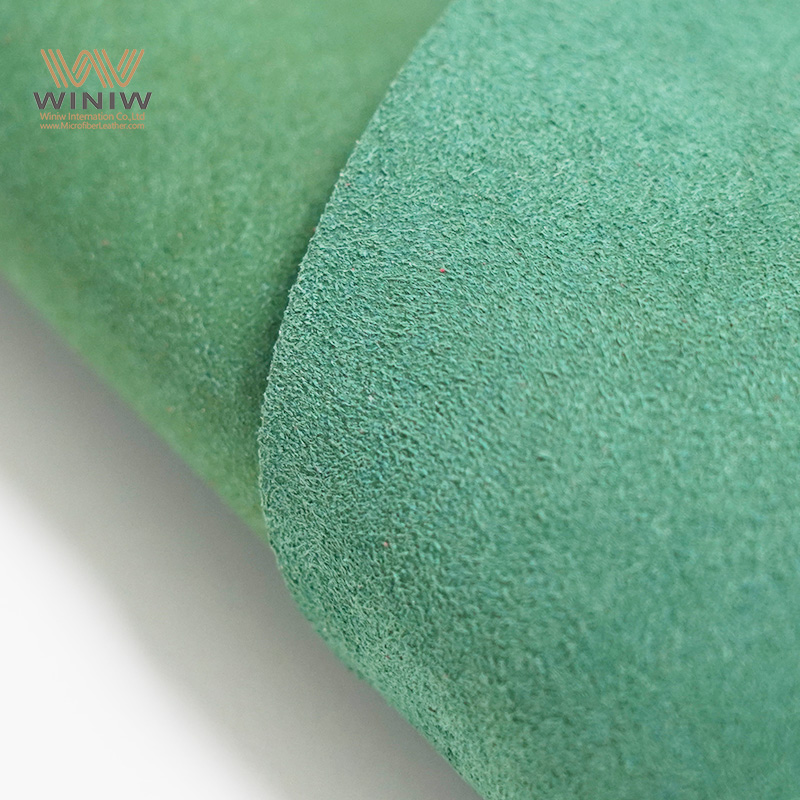
Зеленая кожаная ткань привнесет в ваш интерьер смелый и современный вид. дом и гардероб. Это уникальное сочетание роскоши и экологичности находит широкое применение в моде и дизайне интерьера. Идеальное сочетание стиля и экологичности делает зелёную кожу для обивки современным и экологичным выбором.
Зелёная кожа для обивки преобразит ваше жилое пространство. Этот материал отлично подходит для эффектной мебели, включая диваны, кресла и пуфы. Зелёную искусственную кожу для обивки вы найдёте у ведущих брендов, таких как Naugahyde и Boltaflex. Эти бренды предлагают ткань на метраж или рулонами, чтобы вы могли персонализировать свои проекты декора. Зелёную кожу можно использовать для обивки акцентных кресел, изголовий кроватей и даже стеновых панелей. Универсальность материала позволяет подобрать мебель в соответствии с вашим личным стилем.
Зеленая кожа для обивки подходит к современному дизайну мебели.
Вы выбираете его для проектов по декорированию дома, включая подушки и скамейки.
Прочность ткани обеспечивает ее долговечность в местах с высокой проходимостью.
Вы выбираете зеленую кожу для обивки, чтобы добавить яркий акцент в минималистичный интерьер.
Искусственные варианты представляют собой не тестируемую на животных и доступную альтернативу, делая устойчивый выбор доступным.
Вы заметили, что искусственная зеленая кожа Обивка мебели имеет ряд преимуществ. Вы экономите деньги, поскольку искусственная кожа более доступна по цене, чем натуральная. Широкий выбор цветов, фактур и отделок позволит вам подобрать идеальный вариант для вашего интерьера. Искусственная кожа не вызывает раздражения у животных, легко чистится и имеет стабильный внешний вид. Вы тратите меньше времени на уход и больше времени наслаждаетесь своей мебелью.
Совет: вы можете заказать зеленую кожу для обивки на ярды или рулоны, что дает вам гибкость как для небольших, так и для крупных проектов.
Зелёная кожа производит фурор в моде. Дизайнеры используют её в дорогих предметах одежды, включая куртки, юбки и сумки. Сумка Roam Shoulderbag отлично сочетается с белыми джинсовыми шортами и льняной рубашкой для дневного ношения или с платьем-комбинацией миди для вечерних выходов. Сумка Dune Crossbody дополняет сарафаны и брюки свободного кроя, идеально подходя для летних мероприятий, таких как пикники или бранчи. Сумка Callie Sling/Crossbody привносит нотки бохо-шика и идеально подходит для фестивальных образов с футболками с графичным принтом и широкими брюками карго.
Для аксессуаров, которые будут бросаться в глаза, вы выбираете зеленую кожаную ткань.
Модные бренды предлагают зеленую кожу для обивки обуви, ремней и кошельков.
Такие дизайнеры, как Стелла Маккартни и Gucci, используют биокожу, изготовленную из грибов и ананасов. Эти материалы служат экологичной альтернативой натуральной коже, снижая воздействие на окружающую среду.
Переход на веганские материалы соответствует вашим ценностям как экологически сознательного потребителя.
Вы сравниваете зелёную кожу с другими материалами и замечаете ряд преимуществ. Альтернативы коже на основе зелёного чая биоразлагаемы, поэтому они меньше воздействуют на окружающую среду по сравнению с традиционной кожей. Вы ощущаете тот же комфорт, долговечность и термостойкость. Экологичная модель обеспечивает лучшую вентиляцию и тепловой комфорт, что делает её более подходящей для пользователей. Вы цените стиль и долговечность кожи, поддерживая при этом принципы устойчивого развития.
Примечание: Не вся кожа вредна для окружающей среды. Существуют экологичные методы производства кожи, которые снижают её воздействие на окружающую среду. Вы делаете осознанный выбор, выбирая сертифицированную и экологичную продукцию.
Вы можете столкнуться с заблуждениями о «зелёной» кожевенной ткани. Некоторые считают, что шкуры животных — это всего лишь побочный продукт мясной промышленности, позволяющий экономить отходы. На самом деле, кожевенная промышленность получает прибыль от животноводства, которое может нанести ущерб окружающей среде. Другие считают, что кожа изначально неэкологична, но существуют экологичные методы обработки кожи, которые уменьшают её воздействие на окружающую среду. Кожа — это не просто отходы; шкуры приносят значительную экономическую выгоду мясной промышленности. Вы выбираете «зелёную» кожу для обивки и одежды, чтобы поддержать ответственное производство.
Зелёная кожаная ткань находит безграничное применение в моде и интерьере. Вы наслаждаетесь идеальным сочетанием стиля, качества и экологичности. Вы создаёте яркое впечатление благодаря ярким цветам и роскошным текстурам, поддерживая при этом принципы устойчивого развития.
Вы обнаружите, что зеленая кожаная ткань отличается долговечностью и изысканностью:
|
Особенность |
Выгода |
|---|---|
|
Долговечность |
Стареет изящно, сохраняя свой изысканный вид на протяжении многих лет. |
|
Роскошное ощущение |
Гладкий, полированный и современный — идеальный вариант для комфорта и стиля. |
Экологичный выбор способствует устойчивому развитию и росту ответственности потребителей.
Вы используете зеленую кожу в куртках, сумках, мебели и творческих поделках.
Теперь бренды делают ставку на этичные источники поставок и инновационные, устойчивые методы.
Рассмотрите вариант использования зеленой кожаной ткани для вашего следующего стильного или декораторского проекта, чтобы насладиться элегантностью и экологическими преимуществами.
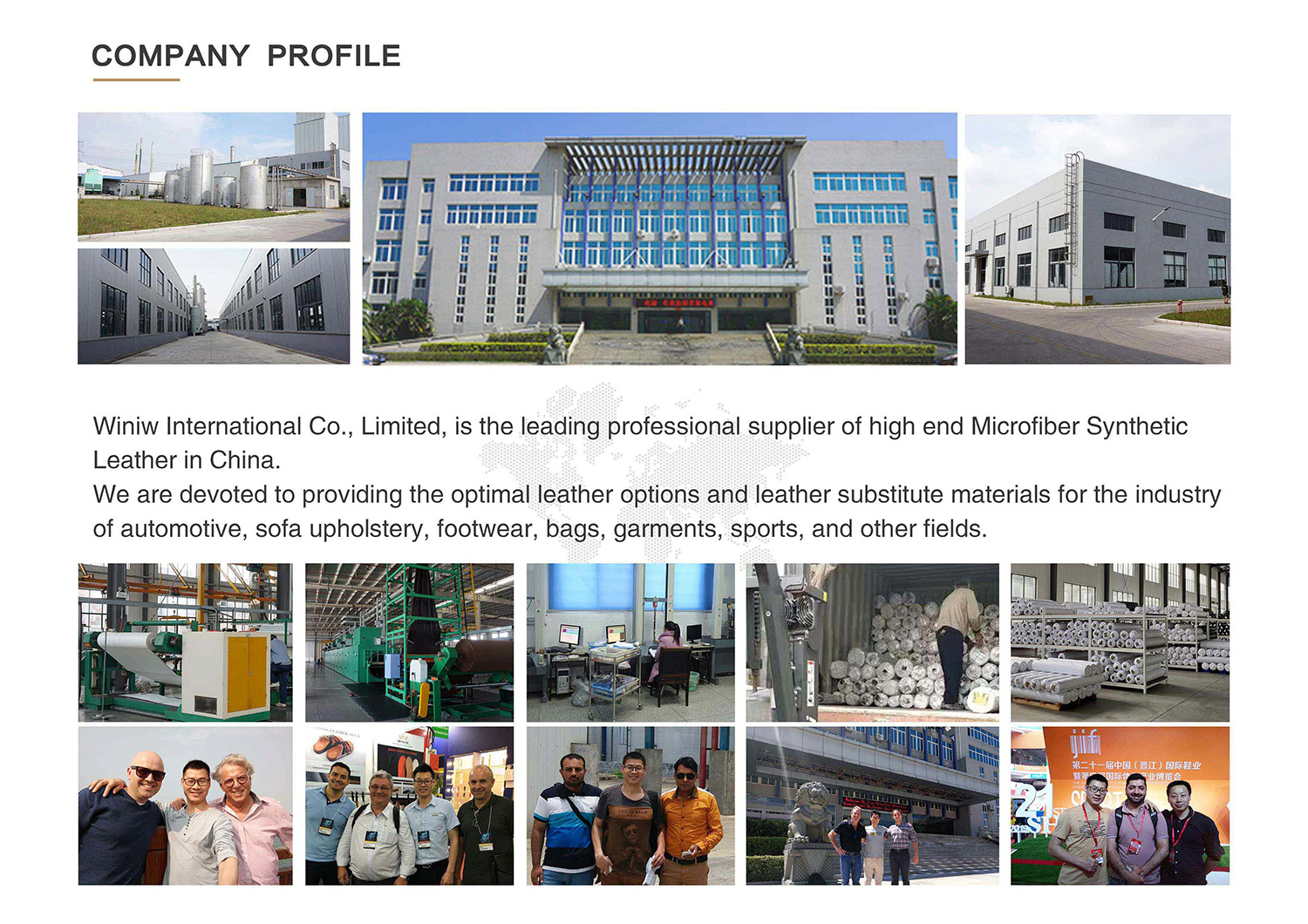
Вы выбираете экологичную кожу, потому что производители используют экологичные материалы, избегают использования вредных химикатов и перерабатывают отходы. Сертификации, такие как OEKO-TEX® и LWG, подтверждают ответственное производство.
Протирать влажной тканью.
Используйте мягкое чистящее средство.
Нанесите защитный крем для кожи.
Пропылесосьте с мягкой насадкой-щеткой.
Зелёная кожа используется для крытых площадок на открытом воздухе. Прямые солнечные лучи и дождь могут повредить её. Поддельные варианты обеспечивают лучшую устойчивость к влаге и выцветанию.
Winiw International Co.,Ltd


Сканирование в wechat:




 Тель : +86 18150976625
 Отправить по электронной почте : Market@MicrofiberLeather.com